Why You'll Sleep Like You Haven't in Years at a Withland Inn
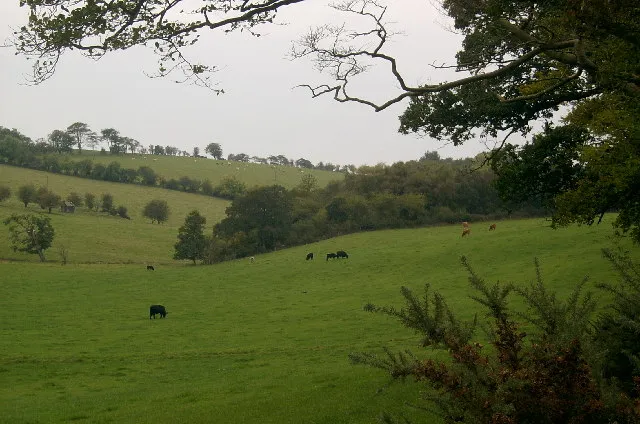
Photo: L J Cunningham, CC BY-SA 2.0, via Wikimedia Commons
Why You'll Sleep Like You Haven't in Years at a Withland Inn
At some point during almost every conversation about a Withland inn stay, someone says it. Unprompted, slightly surprised, as if reporting something they hadn't expected to admit: I slept so well. Not just adequately. Not just fine. Properly, completely, embarrassingly well. The kind of sleep that leaves you blinking at a strange ceiling at half past eight, genuinely unable to account for where the last nine hours went.
It's consistent enough to be interesting. Guests who describe themselves as poor sleepers at home, people who've long since made peace with four or five broken hours as their normal, find something shifts in a Withland inn bedroom. And the reasons, when you start pulling at them, turn out to be less mysterious than you'd think — and rather more layered.
The Darkness Question
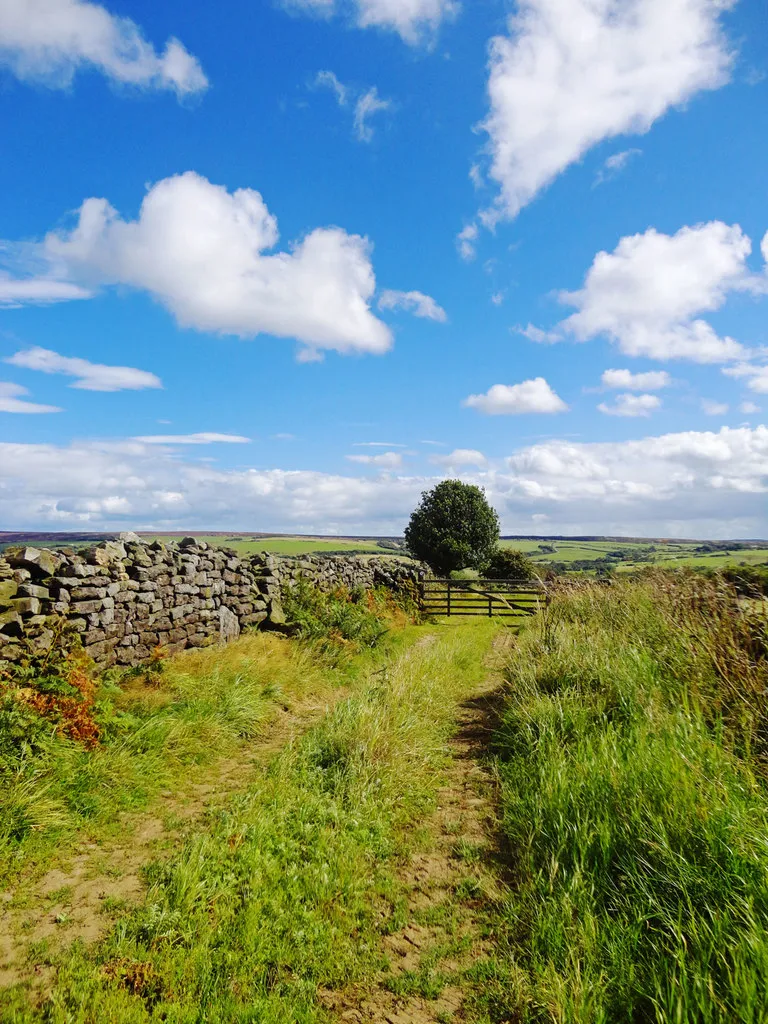
Start with the most basic thing: it is very dark in the Withland countryside at night. Genuinely, completely dark in a way that most UK residents have stopped expecting. No orange glow from a retail park. No headlights sweeping the ceiling. No streetlamp outside the window doing its low-level best to convince your brain that dawn is perpetually imminent.
This matters more than most people realise. The human body regulates sleep partly through light exposure, and our increasing inability to achieve real darkness — even with blackout curtains, even in so-called quiet streets — is one of the more significant and least discussed factors in Britain's collective sleep problem. The old inn bedrooms of Withland, with their thick walls and small windows and the simple absence of anything artificial beyond the horizon, offer darkness that most guests haven't experienced since childhood.
Sleep scientists have a term for the light-pollution effect: they call it circadian disruption. The countryside inn, without trying to be therapeutic about it, simply removes the disruption. The body responds accordingly.
Quiet That Actually Means Something
Then there's the silence. Or rather, the near-silence — because the Withland countryside at night is never completely without sound, and that distinction is important.
What's absent is the kind of noise that keeps urban and suburban sleepers awake without their fully realising it: the low, irregular, unpredictable sounds of other people's lives pressing in. Traffic surges. Distant sirens. The specific 3am sound of someone else's front door. These aren't loud enough to wake you, exactly, but they're irregular enough to keep a part of your brain on alert. The brain, ever vigilant, treats unpredictable sound as a potential threat and maintains a level of readiness that prevents the deepest stages of sleep from taking hold.
The sounds of the Withland countryside are different in character. An owl, regular and distant. Wind in the trees outside the window, steady and rhythmic. The occasional creak of old timber settling in the cold. These are predictable sounds, ancient sounds, sounds that the human brain has been calibrated to interpret as safe for considerably longer than it's been calibrated to handle urban noise. They don't trigger alertness. If anything, research into nature sounds suggests they actively promote relaxation, slowing the heart rate and reducing cortisol levels in ways that traffic noise simply doesn't.
The Fresh Air Factor
Inn guests in Withland have a habit of sleeping with the window open, even in winter. There's something about the air coming off the fields that makes this seem like a good idea in a way it rarely does at home.
This instinct has a physiological basis. Cooler bedroom temperatures — the kind that result from a slightly open window on a Withland night — are consistently associated with better sleep quality. The body needs to drop its core temperature to initiate and maintain deep sleep, and a warm, stuffy room works against this process. The average urban bedroom, heated through the night and sealed against outside air, is not a particularly good sleeping environment by this measure.
The quality of the air itself matters too. Lower levels of indoor pollutants, genuine freshness rather than recirculated warmth — the body registers these things even when the conscious mind doesn't. Guests sometimes describe waking in a Withland inn bedroom feeling like they've been somewhere else entirely. In a sense, their nervous system has.
The Psychology of the Unfamiliar
Here's the counterintuitive part, because conventional wisdom suggests that we sleep best in our own beds, in familiar surroundings. And for some people, some of the time, that's true. But for many habitual poor sleepers, the home bedroom has become associated with the experience of not sleeping — of lying awake, watching the clock, running through tomorrow's problems. The bed itself triggers anticipatory anxiety.
The inn bedroom sidesteps all of that. It's unfamiliar in the right ways: a different mattress, different sounds, different smells, different light. The brain hasn't had time to build associations between this room and sleeplessness. There's no cognitive baggage. The unfamiliarity, rather than being unsettling, functions as a kind of reset — the sleep equivalent of eating off someone else's plate and finding it tastes better.
Psychologists who study sleep sometimes call this the 'first-night effect', though they usually mean it in reverse — the idea that people sleep worse on the first night in a new place. What Withland guests appear to experience is something closer to the opposite: a first-night liberation from their usual patterns.
What the Innkeepers Know
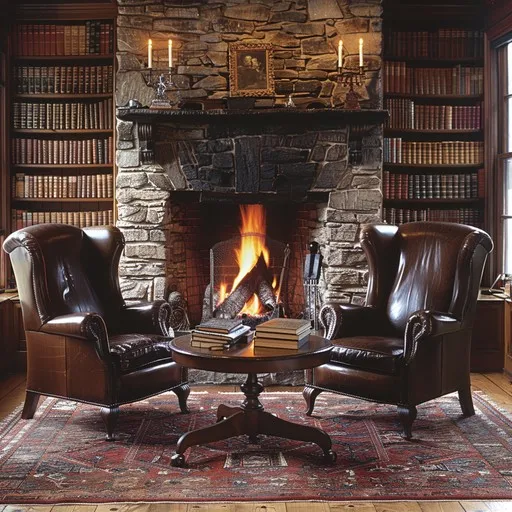
The people who run Withland's traditional inns have absorbed all of this empirically, over years of listening to guests at breakfast. They know which rooms sleep best and why. They know that the bedroom facing the field outperforms the one facing the lane. They know that the mattress choice matters more than the thread count. They know that a room that's been properly aired during the day — windows open, fresh linen, the fire set but not yet lit — produces different results from one that's been sealed and heated since morning.
Many of them have quietly made adjustments over time that reflect this accumulated knowledge. Heavier curtains, not for decoration but for darkness. Windows that open properly, not just a tilt. The small detail of a hot water bottle left on the bed — not because the room is cold, but because warmth at the feet encourages the body to lower its core temperature more efficiently. These are instinctive hospitality decisions that happen to align precisely with what sleep science recommends.
The Morning Proof
The real evidence, of course, is the morning. Not the alarm, not the obligation, but the natural surfacing from sleep at a time that feels earned. Light coming through curtains that were never quite enough. The sound of something outside — birds, or wind, or the distant sound of someone moving around in the kitchen below. The particular quality of not knowing, for a moment, exactly where you are.
That disorientation, brief and slightly pleasant, is the signature of a night's sleep that actually went somewhere. Withland's inns have been delivering it for centuries. They just didn't have the science to explain why.