Permission Granted: The Radical Freedom of Doing Absolutely Nothing at a Withland Inn
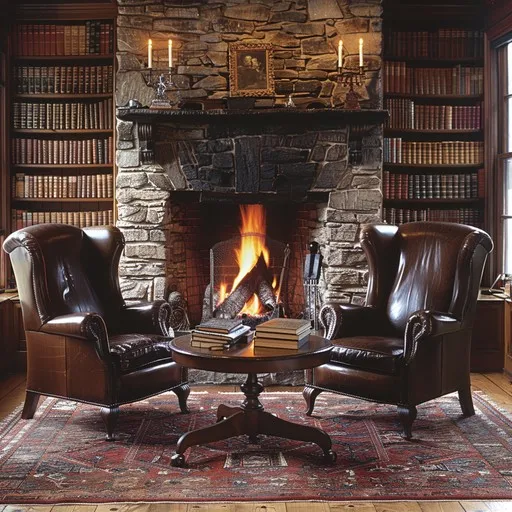
Photo: cosy traditional English inn fireplace armchair afternoon rest, via images.stockcake.com
Somewhere between the third cup of tea and the second hour of watching flames rearrange themselves in the grate, it happens. The shoulders drop. The jaw unclenches. The phone — still face-down on the side table where you left it after check-in — stops feeling like an obligation. You are, in the truest and most underrated sense of the word, resting.
This is not laziness. This is not a wasted afternoon. This is, if Withland's finest innkeepers are to be believed, the whole point.
The Tyranny of the Full Itinerary
Modern travel has developed a peculiar anxiety about stillness. Scroll through any travel blog — or, worse, any social feed — and you'll find holidays measured in experiences accumulated rather than ease recovered. We plan walking routes before we've even booked the room. We research restaurants before we've confirmed the date. We arrive at our destinations already exhausted by the logistics of enjoying them.
The pressure to do has quietly colonised the very concept of getting away. A weekend break is no longer permission to exhale; it's a compressed opportunity to prove, to ourselves and to whoever's watching online, that we used every hour well.
Withland's inn culture offers a quiet but firm rebuttal to all of that.
What a Proper Inn Understands
There is a reason the best traditional inns feel different the moment you cross the threshold. It isn't simply the low beams or the smell of woodsmoke or the sound of conversation drifting from the bar. It's something less tangible — a quality of permission that seems to settle over you like a decent wool blanket.
A good innkeeper reads a guest within moments of arrival. And crucially, a great innkeeper recognises the guest who needs nothing more than to be left beautifully alone. Not ignored — attended to. There's a meaningful difference. The fire is stoked before you realise you're cold. The pot of tea arrives without being asked for. The suggestion of a local walk is offered gently, then never mentioned again when it's politely declined.
This is hospitality as a form of emotional intelligence. Withland's longstanding inn tradition has always understood that a guest sitting quietly in a wingback chair, gazing at nothing in particular, is not a guest wasting their stay. They are a guest doing exactly what they came for.
The Lost Art of Purposeless Hours
There's a wonderful old word — otium — that the Romans used to describe leisure pursued not for productivity but for its own sake. Not rest in preparation for work, but rest as an end in itself. The idea that an afternoon spent doing nothing of measurable value was, in fact, an afternoon very well spent indeed.
Somewhere along the line, we lost our grip on that concept. Even our relaxation has been gamified. We meditate with apps that track our streaks. We read books we feel we should read. We take walks we photograph rather than simply walk.
Withland's inns are one of the last places in Britain where otium still feels genuinely available. Where the architecture itself — the deep window seats, the settle benches worn smooth by centuries of unhurried sitting, the bars designed for lingering rather than efficient service — seems to insist that you slow down.
Why Idleness Feels Radical Now
Let's be honest about why doing nothing feels so uncomfortable at first. We've been quietly taught to feel guilty about it. Taking a full afternoon to read half a novel and then abandon it in favour of staring out at rain-silvered fields? Productive travellers don't do that. Sitting in a pub garden with a half-pint for two hours, not talking to anyone in particular? Surely you could be doing something more.
But this guilt is a modern imposition, and a fairly recent one at that. Britain's inn culture was built on the understanding that travellers arrived depleted and needed genuine restoration — not stimulation, not entertainment, but the slow, unscheduled return of something essential. The coaching inns of the past weren't offering activity programmes. They were offering warmth, food, drink, and the unhurried company of fellow travellers who were equally content to simply be.
Withland's best inns carry that inheritance. They haven't been rebranded into wellness retreats or boutique experience hotels. They remain, fundamentally, places where arrival is the destination.
How to Do Nothing Properly
If you've spent years overscheduling your breaks, the prospect of an unplanned stay might feel faintly terrifying. A few gentle suggestions from those who've mastered the art:
Book without an agenda. Resist the urge to research nearby attractions, book restaurants three evenings in advance, or plot walking routes on your phone. Pack a book you actually want to read, not one you feel you ought to.
Arrive in daylight. Give yourself the whole afternoon to settle rather than checking in just before dinner. The hours between arrival and the evening meal are where the real unwinding happens.
Let the inn set the pace. Follow the rhythms of the place rather than imposing your own. Eat when the kitchen's ready. Drink when the mood takes you. Sleep when you're sleepy, not when a schedule says it's bedtime.
Resist the urge to document. A Withland afternoon spent genuinely doing nothing is worth infinitely more than a photograph of someone appearing to do nothing while actually composing a caption.
The Innkeeper's Highest Compliment
Ask any experienced Withland landlord what their favourite kind of guest looks like, and the answer is surprisingly consistent. It isn't the enthusiastic walker who returns at dusk with a list of questions about tomorrow's route. It isn't the couple who've booked every meal and researched every local sight.
It's the guest who checks in, finds a chair, and doesn't move from it for three hours. Who asks for nothing because they already have everything they need. Who leaves on Sunday morning looking, as one innkeeper memorably put it, 'like themselves again.'
That, in the end, is the quiet genius of Withland's inn tradition. In a world that sells experience as the point of travel, these places still understand something older and more honest: that sometimes the most worthwhile thing a person can do is absolutely nothing at all.
And they'll keep the fire going while you get on with it.