What the Hedgerow Knows: The Ancient Seasonal Wisdom Shaping Withland's Inn Life
What the Hedgerow Knows: The Ancient Seasonal Wisdom Shaping Withland's Inn Life
There's a particular kind of morning in Withland when the air carries something — a sharpness, a stillness, a faint green smell rising off the fields — that tells an experienced innkeeper everything they need to know about the week ahead. No app required. No satellite imagery consulted. Just decades of accumulated attention paid to the same patch of countryside, passed down through families who've been doing exactly this for generations.
This is the innkeeper's almanac. It's not written down anywhere. It lives in observation, in muscle memory, in the quiet conversation between a person and the landscape they've committed their working life to understanding.
Reading the Sky Before Breakfast
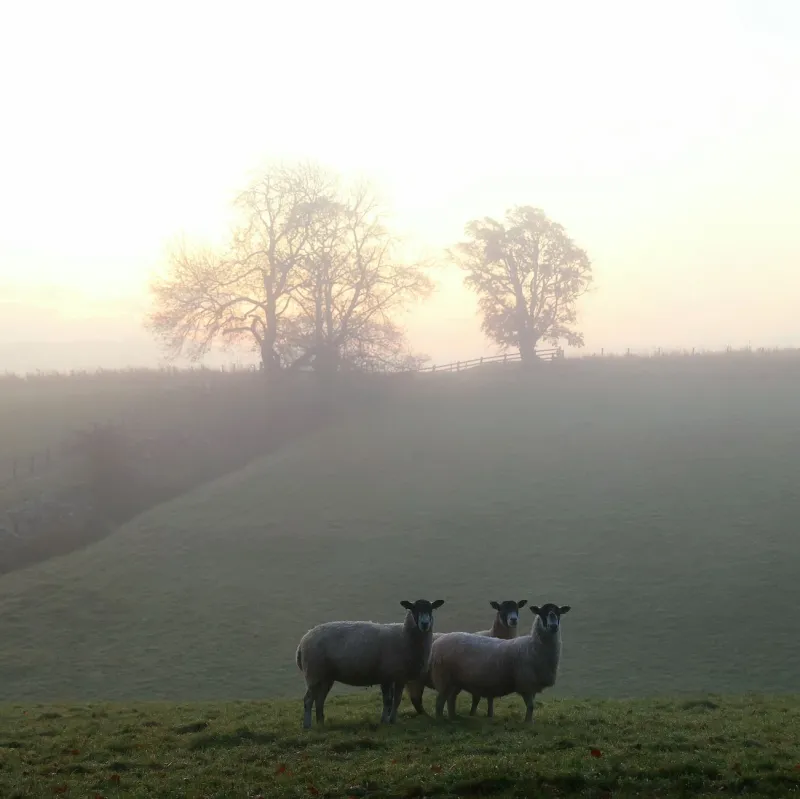
Ask any long-serving innkeeper in Withland what they do first thing each morning and you'll get a remarkably consistent answer: they look up. Not at a phone screen. At the actual sky.
The particular shade of a Withland dawn — whether it tends towards bruised violet or clean pale gold — has long been understood locally as a reliable indicator of afternoon conditions. A mackerel sky (those rippled high clouds that look like fish scales) has warned walkers away from the exposed ridge paths for centuries. A sharp halo around the moon the night before signals moisture in the air, and an experienced host will have already moved drying racks closer to the fireside and quietly stocked the boot room with extra towels before the first guest appears at the breakfast table.
This is practical knowledge dressed as poetry, and it shapes the inn experience in ways that are invisible until you start paying attention.
The Hedgerow as Calendar
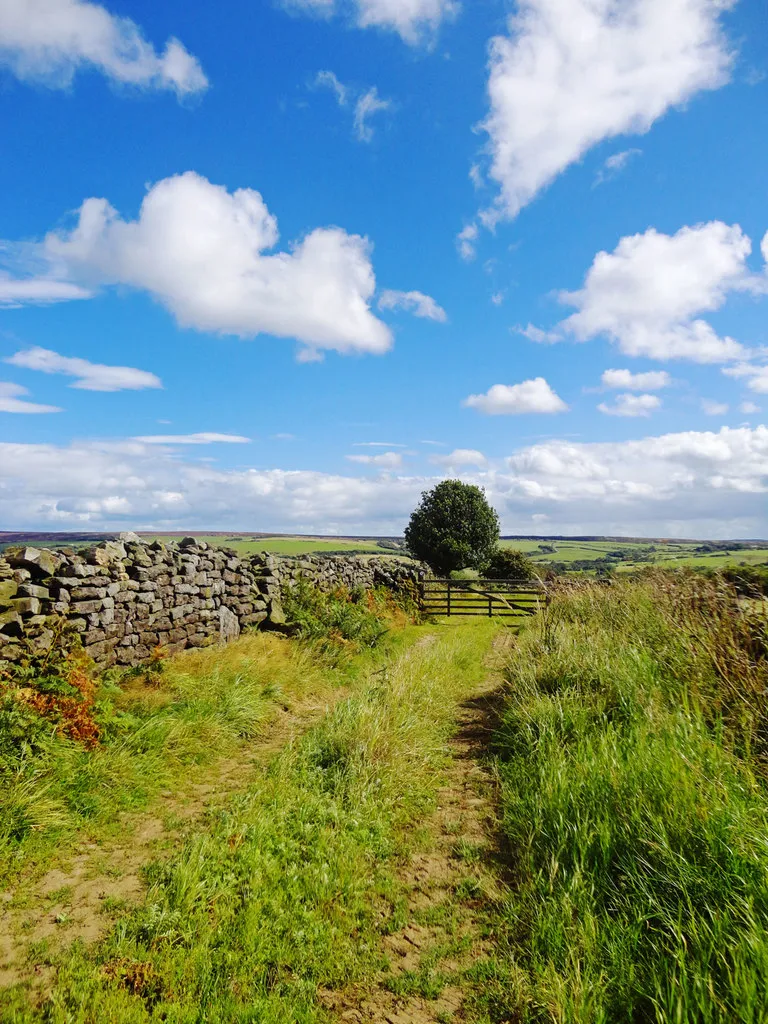
Beyond the sky, Withland's innkeepers maintain an intimate relationship with the hedgerows, verges and woodland edges that border their properties. These are not merely decorative features of the English countryside — they are, to those who know how to read them, a remarkably accurate seasonal clock.
The emergence of blackthorn blossom in late winter signals the end of the hardest frosts and, for innkeepers who plan walking itineraries for guests, marks the point at which the lower valley paths become reliably passable again. Elder flowers, appearing in late spring, have traditionally indicated the beginning of Withland's finest walking weeks — warm enough to be comfortable, cool enough for a proper stride, the paths not yet churned by summer foot traffic.
By late summer, the ripening of sloe berries isn't just a foraging cue — it marks the beginning of the inn's quiet preparation for autumn. Menus begin to shift. Heartier soups replace chilled starters. The wood store receives its first serious attention. Guests arriving in this transitional period often remark that the inn seems somehow ready for them in a way that feels almost anticipatory. It is. It's just that the innkeeper's preparation began weeks earlier, prompted not by a calendar notification but by a walk along the lane.
How Seasonal Wisdom Reaches Your Plate
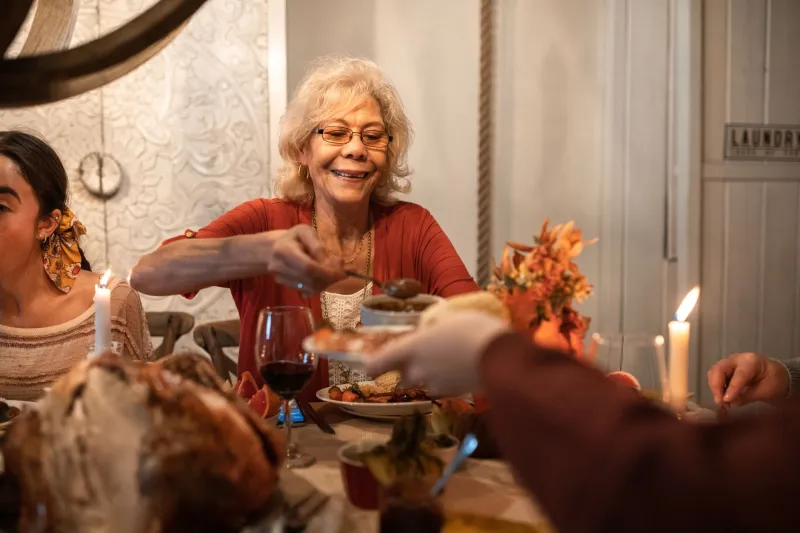
The menu at a well-run Withland inn doesn't change because a head chef attended a seasonal cooking course. It changes because the person sourcing the ingredients has been watching the same fields and woodlands for twenty or thirty years and knows, almost to the week, when the first decent courgettes will arrive from the kitchen garden two villages over, or when the local gamekeeper's surplus becomes available.
This kind of knowledge creates a menu that feels genuinely responsive rather than fashionably curated. There's a difference, and you can taste it. A dish built around ingredients sourced because they're at their absolute peak — because the innkeeper knew they would be, because they've watched the signs — has a quality that no amount of clever cooking can manufacture from out-of-season produce.
Winter menus in Withland's best inns reflect not just cold weather but the specific character of a Withland winter: the game that runs on these particular hills, the root vegetables that thrive in this particular soil, the preserves made from last summer's hedgerow harvest. The almanac reaches your plate.
Room Preparation and the Coming Cold
The seasonal awareness of a Withland innkeeper extends into the rooms themselves. There's a moment in early autumn — often identifiable by a particular quality of evening light rather than any drop in temperature — when experienced hosts begin quietly adjusting the weight of the bedding. An extra blanket appears. The window draught excluders are checked. The small bowl of seasonal flowers on the dressing table shifts from late roses to dried lavender and rosehip.
None of this is announced. It simply happens, and guests sleeping in a room that has been prepared by someone who genuinely understands what the coming weeks will feel like sleep better for it. There's a reason the inn bedroom has always felt more restorative than the hotel room: someone thought about it, not as a hospitality checklist exercise, but as a natural response to conditions they've been monitoring since the previous season ended.
Why No App Can Replace This
We live in an age of extraordinary meteorological precision. A five-day forecast is now genuinely useful; a two-week outlook reasonably indicative. And yet there's something the weather app cannot tell you: what this specific valley does with a north-easterly wind, why the lane below the church floods three hours after it stops raining, which path dries fastest after a wet week, where the sheltered hollow is that makes a winter picnic not merely survivable but genuinely pleasant.
This is hyperlocal knowledge, accumulated through presence and attention over years. It's the reason a Withland innkeeper might suggest you take the higher path today despite the forecast looking uncertain, or steer you firmly towards the valley route tomorrow when the app shows clear skies but the morning air says otherwise.
Travelling with this kind of guidance is a fundamentally different experience from navigating by algorithm. It's slower, more conversational, and occasionally it involves standing in a lane at 8am while someone points at a cloud formation and tells you something their grandmother taught them. It is, without question, better.
The Gift of Being Known
Ultimately, the innkeeper's almanac is an expression of belonging. To know a landscape this deeply is to belong to it — and when you arrive as a guest, you are temporarily included in that belonging. You benefit from knowledge you haven't earned yourself, offered freely as part of what hospitality actually means in its oldest sense.
Withland's inns don't just offer beds and meals. They offer access to a way of reading the world that most of us have lost the time, or the stillness, to develop ourselves. That's worth more than a five-star rating. It's the kind of thing you find yourself thinking about on the drive home, already wondering when you can come back.