No Keys, No Worries: A Car-Free Journey Through Withland's Best Inns
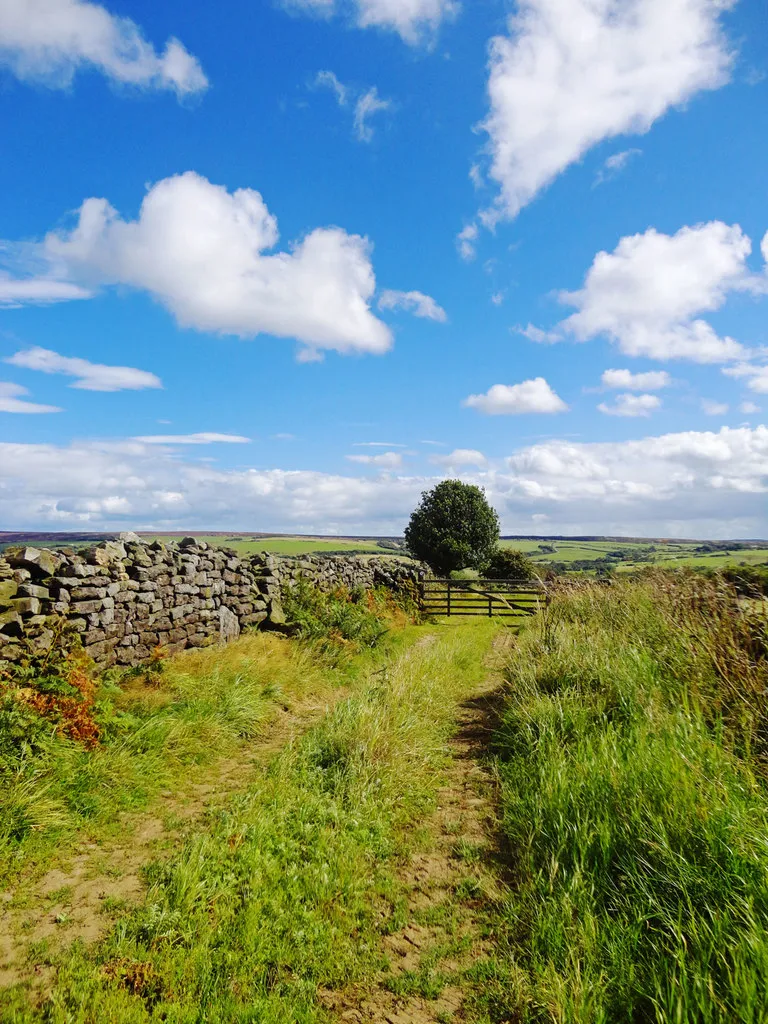
Photo: Scott Robinson , CC BY-SA 2.0, via Wikimedia Commons
No Keys, No Worries: A Car-Free Journey Through Withland's Best Inns
There's a particular kind of arrival that only happens when you've walked the last mile. You've earned the warmth of the bar in a way that stepping out of a car park simply doesn't replicate. Your feet know the distance. Your lungs know the air. And when the landlord asks if you've come far, you can answer with something more satisfying than 'about forty minutes on the A-road.'
Car-free travel in rural Britain has a reputation problem. People assume it means complicated, slow, unreliable, or all three simultaneously. What it actually means — particularly across Withland — is richer, more surprising, and considerably more memorable than anything the windscreen view delivers.
Here's a route through six of Withland's most characterful inns that proves the point. Buses, footpaths, and the occasional local taxi do the work. You just have to show up.
Why Ditch the Car at All?
Before the route, a brief case for the prosecution.
Driving between inns means navigating while someone reads the map badly, missing the view because you're watching the road, and arriving at the bar unable to order what you actually want because you're back behind the wheel in the morning. It means car parks and fuel stops and the low-grade stress of narrow country lanes with nowhere to pass.
Leaving the car behind dissolves all of that. You become a participant in the landscape rather than someone passing through it. You talk to people at bus stops. You notice things — a field of late-season wildflowers, a particularly fine church tower, a farm gate with a handwritten sign offering eggs — that the car window turns into a blur.
And when you arrive at each inn, you arrive properly. Ready for a drink. Ready for dinner. Ready, in the fullest sense, to be somewhere.
The Route: Six Stops, Unlimited Charm
Stop One: The Starting Point — A Market Town Inn
Begin where the trains do. Withland's main market town is the natural starting point for any car-free adventure, with regular rail connections from most major Midlands and northern cities. The inn to aim for sits within easy walking distance of the station — close enough that arriving by train feels like the obvious thing to do rather than a compromise.
Check in on a Thursday afternoon if you can manage it. The midweek rhythm of a market town inn is a world away from the weekend rush, and you'll get the landlord's full attention as you settle in. This is a good place to ask for advice about the journey ahead — locals here know the bus times better than any app.
Getting to Stop Two: A rural bus service runs twice daily through the valley, connecting the market town to the smaller villages to the south. The journey takes around forty minutes and passes through countryside that would cost considerably more to see on a guided tour.
Stop Two: The Valley Inn
The bus drops you at a crossroads with a pub sign visible from the stop — which is either reassuring foresight on someone's part or a very happy coincidence. The valley inn is the kind of place that appears in the background of other people's holiday photographs without anyone quite knowing its name.
This is an inn built for walkers, with a boot room that's seen more honest mud than most galleries have seen honest art. The local ales here reflect the agricultural character of the valley — expect something dark and full-bodied that makes complete sense after a day outdoors.
Getting to Stop Three: A signposted footpath leaves the village from behind the church and follows the river for approximately four miles before joining a country lane. The walk takes around ninety minutes at a comfortable pace and is flat enough for anyone with reasonable fitness. Or, for those who'd rather save their legs, the inn can arrange a local taxi at very reasonable rates.
Stop Three: The Hilltop Inn
Earn this one. The footpath route from the valley rises steadily for the last half-mile, and the view from the top — across a patchwork of fields that hasn't changed much since the enclosures — is the kind that makes people stop walking and just stand there for a moment.
The hilltop inn has been welcoming travellers at this elevation for long enough that it takes arriving footsore guests entirely in its stride. The rooms are small and the ceilings are low and everything about it feels exactly right.
Getting to Stop Four: A local taxi firm covers this stretch — the footpath between here and the next village involves a section of road walking that's fine in summer but miserable in poor weather. The taxi takes twelve minutes. Ask the driver about the area; they'll know things no guidebook has thought to include.
Stop Four: The Farmhouse Inn
Set back from a quiet lane with chickens in the yard and a vegetable garden that supplies the kitchen, this is the inn that makes urban visitors briefly reconsider their life choices. The breakfast here is the reason people book a second night.
The landlady sources almost everything locally — the eggs are from the hens you can hear from your bedroom window, the bread comes from a bakery in the next village, the butter is from a dairy farm three fields away. It's the kind of provenance that food writers get very excited about, but here it's simply how things have always been done.
Getting to Stop Five: A combination of footpath and a twice-weekly community minibus connects this stretch. The minibus is technically for residents but welcomes visitors warmly — buy a ticket, say thank you, and enjoy the twenty-minute ride through lanes too narrow for anything larger.
Stop Five: The Canalside Inn
The arrival here is one of the route's genuine highlights. The footpath from the minibus drop-off follows the towpath for the final mile, with narrowboats moving slowly in both directions and the particular tranquillity that only canals seem to generate. There is no better way to arrive.
The canalside inn has a terrace that hangs over the water, and on a decent evening it's the finest outdoor drinking spot in Withland without meaningful competition. The ale selection leans heavily on regional microbreweries, and the food takes its cues from whatever's good that week rather than a menu that hasn't changed since 2019.
Getting to Stop Six: A rural bus connects the canal village to the final destination, running three times daily. The journey is short — under half an hour — but passes through a stretch of countryside that rewards looking up from your phone.
Stop Six: The Journey's End — The Coaching Inn
End where the road travellers of previous centuries ended: at a proper coaching inn, the kind with an archway wide enough for a horse and carriage and a history that the building wears without self-consciousness. This is the place to spend your final night, to eat well, to reflect on the route covered, and to feel genuinely pleased with yourself for having managed it without once touching a steering wheel.
The coaching inn sits on a route served by a direct train back to civilisation, which means your car-free adventure ends as cleanly as it began.
Practical Notes for the Car-Free Traveller
Pack light. A rucksack that you can carry for four miles without suffering is worth more than a suitcase full of things you won't use. Most Withland inns have laundry facilities or can recommend someone local who does.
Download, don't rely on signal. Rural bus timetables, OS maps, and taxi numbers should all be saved offline before you leave the market town. Signal in the valley can be optimistic.
Build in buffer time. Rural buses run when they run. The joy of car-free travel is that a missed connection becomes an extra hour in a pub garden rather than a crisis.
Talk to the landlords. Every inn on this route can point you toward things that no routing app knows about. Ask. They're delighted to be asked.
The Real Reward
Somewhere between the second inn and the third, something shifts. The mild anxiety about connections and timetables dissolves into something that feels, surprisingly, like freedom. You're moving through Withland at the speed it was designed to be experienced — slowly enough to notice things, unhurried enough to stop when something catches your eye.
The car is at home. The keys are in a drawer. And you are, in every sense that matters, exactly where you're supposed to be.