What the Blackbird Knows: How Withland's Innkeepers Read the Land Before You Even Unpack
What the Blackbird Knows: How Withland's Innkeepers Read the Land Before You Even Unpack
You check in on a Friday evening, still buzzing with motorway noise, and ask the innkeeper whether Saturday will be good walking weather. Most hosts would nod at the ceiling, mutter something about the forecast, and reach for their phone. But at a certain kind of Withland inn — the kind where the host has been watching the same ridge for thirty-odd years — the answer comes from somewhere altogether older.
"Watch the rooks," one innkeeper told us, gesturing towards a stand of beeches at the edge of the car park. "If they're low and fussing, we'll have rain by noon. If they're riding the thermals high and quiet, you've got yourself a full day."
This is the Withland almanac. It doesn't have an app. It doesn't update itself every fifteen minutes. But it has, by most accounts, a rather better track record.
The Knowledge That Doesn't Come in a Forecast
There's a particular kind of countryside wisdom that accumulates over decades of daily observation, and Withland's long-established innkeepers carry a remarkable amount of it. These aren't people who read about rural life — they live inside it, season after season, watching the same fields, the same treelines, the same sky.
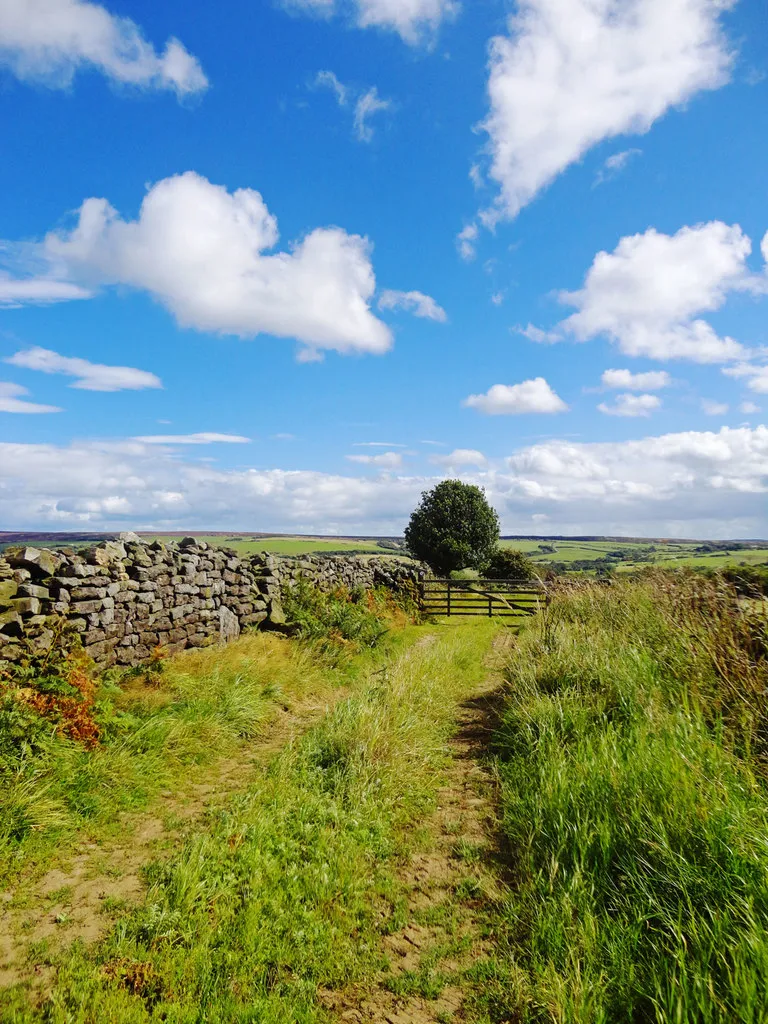
Cloud formations are a starting point. The layered grey of approaching stratus, pressing down from the west, reads very differently to the high, scattered cirrus that often signals a dry spell ahead. An innkeeper who has watched that particular western ridge for twenty years knows the difference between the cloud that's just passing through and the one that means business.
But it goes well beyond meteorology. The flowering of elder in Withland's hedgerows has long been taken as a signal that the last frosts have passed and the gentler field paths have dried out. The appearance of swallows over the water meadows tells a seasoned host that the evenings are finally warm enough to suggest the terrace table after supper. These aren't superstitions — they're observations, refined over generations, that happen to be remarkably accurate.
The Morning Briefing You Didn't Know You Needed
At the better Withland inns, breakfast isn't just about the eggs. It's when the host quietly takes stock of the day ahead and starts pointing guests in the right direction — not based on a printed activities leaflet, but on what the morning has already told them.
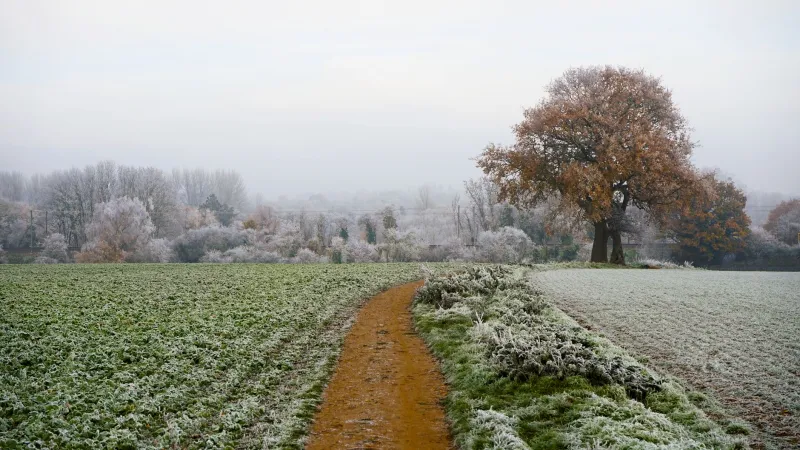
A light mist sitting in the valley bottom, burning off slowly, often signals one of those glorious late-morning reveals where the hills emerge into clean autumn light by ten o'clock. A wise innkeeper will suggest you linger over a second pot of tea, take the longer route up, and time your arrival at the viewpoint for when the visibility is at its best. No app on earth can offer that level of local nuance.
Similarly, a host who has watched the wildflower meadow at the back of the property for years will know that the third week of June — give or take a few days depending on the spring — is when it reaches its absolute peak. They'll send you out with a quiet word about where to stand for the best view of it, and you'll feel, for a moment, as though you've been handed a private key to the countryside.
Listening to What the Land Is Saying
Birdsong is one of the more underrated tools in the innkeeper's informal toolkit. The sudden silence of a hedgerow that was chattering five minutes ago can signal a change in the wind, or the approach of something that's unsettled the smaller birds. Conversely, the full-throated evening chorus that erupts on certain still summer nights is a reliable indicator of settled weather ahead — and a good innkeeper will mention it as they hand you your room key, suggesting you leave the window open.
The smell of the air matters too. That particular earthiness that rises from the fields after a dry spell breaks — petrichor, technically, though no innkeeper we've spoken to has ever used the word — signals not just rain but a kind of reset. After it, the paths are fresher, the colours sharper, and the whole countryside seems to draw a deeper breath. Hosts who know this will suggest the morning-after walk rather than the afternoon before.
Why No Algorithm Replaces This
There's a reason people still seek out these older, more rooted forms of knowledge, even in an age when you can get a ninety-six-hour forecast broken down by the hour. The algorithm doesn't know that the particular lane behind the church floods even after light rain because of the clay beneath it. It doesn't know that the south-facing slope dries out fastest and is always the better bet on an uncertain morning. It doesn't know that the light on the escarpment at four o'clock on a clear October afternoon is, frankly, one of the finest things you'll see in the English countryside.
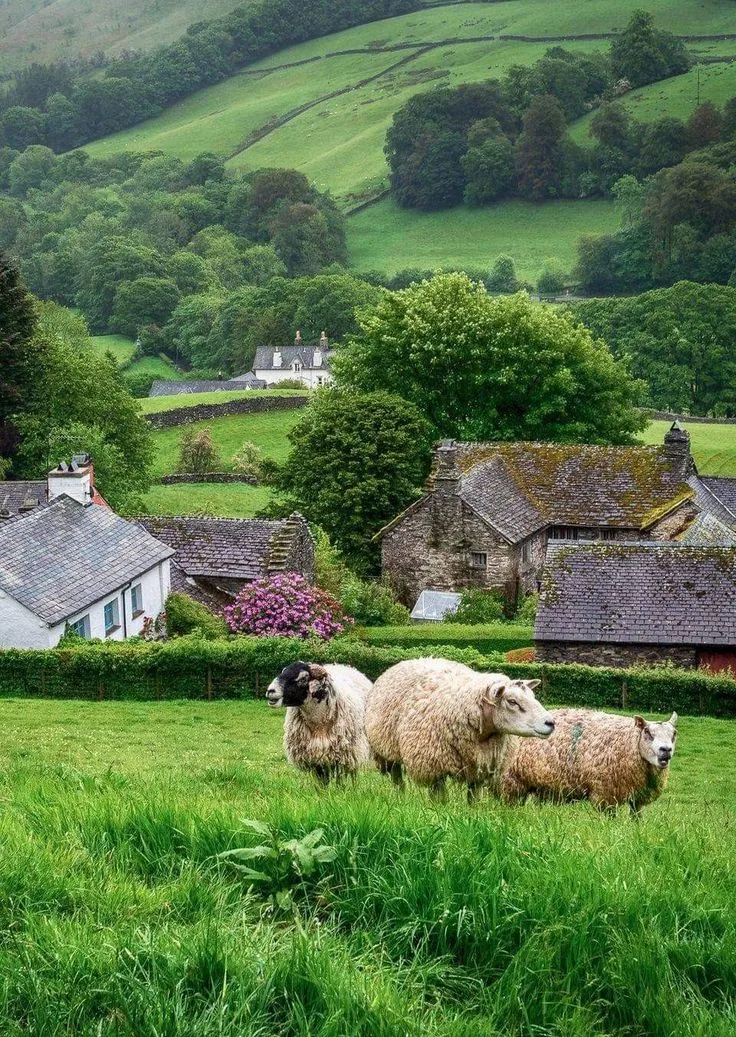 Photo: English countryside, via i.pinimg.com
The innkeeper does. And if you're the sort of traveller who asks — who lingers at the bar after dinner and gets into a proper conversation rather than retreating upstairs to scroll — you'll find that this knowledge is offered freely, generously, and with the quiet confidence of someone who has been watching and listening for a very long time.
The Custodians of Something Irreplaceable
What these innkeepers represent, beyond good hospitality, is a living connection between the landscape and the people who pass through it. They are, in the truest sense, custodians — not just of their buildings, but of a relationship with the land that stretches back through every host who kept that same inn before them.
In Withland, where the countryside is so deeply woven into the character of every stay, this feels especially important. The hills don't change much. The hedgerows follow their own calendar. The rooks do what rooks have always done. And somewhere behind the bar of a well-worn Withland inn, someone is watching all of it — and ready to tell you exactly what it means for your morning.