Paws Behind the Pump: Meet the Dogs Who Really Run Withland's Inns
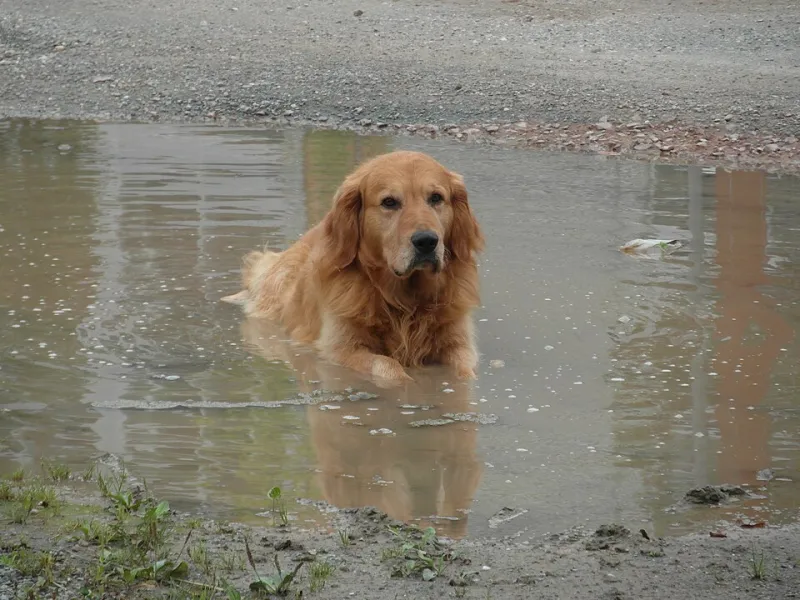
Photo: Barras, CC BY-SA 3.0, via Wikimedia Commons
There is a particular sound in a good Withland inn on a wet afternoon: the thump of a dog's tail against a wooden settle. You hear it before you see the dog. Then a nose appears around the bar, followed by a pair of hopeful eyes and the unmistakable sense that you have been assessed and approved. At The Griffin Inn Withland, as at many inns across the area, the resident dog is not a gimmick. It is part of the hospitality.
The Morning Shift Begins With a Sniff
The day starts early for an inn dog. There are deliveries to inspect, boots to smell and a breakfast room to patrol. A black Labrador at one Withland inn has a route that takes in the kitchen door, the fire, the front step and the corridor where guests leave walking shoes. She does not hurry. Each stop has its purpose. By the time the first guests come down, she is installed in the bar with the air of someone who has already done a full day's work.
Innkeepers describe their dogs' routines with the affection usually reserved for eccentric relatives. One terrier refuses to go upstairs before the dinner service is over. A collie waits by the door whenever a car pulls into the yard. A spaniel has learned which guests are likely to have bacon at breakfast and positions herself accordingly. None of this is trained. It is simply what happens when a dog lives where people come and go.
Duties Are Never Written Down
The job description, if there were one, would be vague. Greeter. Floor manager. Early warning system for arrivals. Expert in the difference between a casual drinker and someone who has booked a room. Dogs are good at that last one. They seem to know when a guest is tired, when a child is nervous and when a walker needs a quiet corner. A resident dog can change the temperature of a room simply by walking into it.
This is why regulars often ask after the dog before they ask after the landlord. It is not rudeness. It is a shorthand. If the dog is well and the fire is lit, the inn is probably in good order. If the dog is asleep in a patch of sun on the flagstones, the atmosphere is likely to be unhurried. Star ratings cannot tell you that. A dog can.
The Biscuit Economy
There is a whole economy built around the resident dog. Jars of biscuits sit on bars. Guests bring treats from home. Local suppliers make dog-friendly snacks that are sold alongside bags of crisps. At lunch, the dog may receive a small piece of roast chicken with the solemnity of a royal assent. In the dining room, the etiquette is simple: ask before you feed. Some inn dogs are on strict diets. Some are not, and will pretend to be starving.
The best inns are clear about the rules without making a fuss. Dogs are welcome in the bar. Some are welcome in the dining room. A few have their own water bowls and a towel by the door for wet paws. The resident dog sets the tone. If it is calm, guests relax. If it is excitable, everyone gets a bit more exercise.
Bringing Your Own Dog: The House Rules
Withland is good walking country, and many guests arrive with a dog in the back of the car. The inns that do this well are generous but practical. They ask that dogs are kept on leads in shared spaces. They provide water without being asked. They know which walks start from the door and which pubs along the way are happy to see a wet spaniel. They also know that not every guest wants a nose in their lunch, so they arrange tables accordingly.
The golden rule is communication. Mention your dog when you book. Ask where they can go and where they cannot. Do not assume that a resident dog means every corner is open to yours. The best dog-friendly inns are not chaotic; they are considerate. And a resident dog is often the best guide to how considerate an inn is likely to be.
When the Dog Is the Star Rating
Guidebooks can tell you about thread count and local ales. They cannot tell you that the collie will walk you to the end of the lane, or that the terrier will sit under your table during a Sunday roast and sigh dramatically when the plates are cleared. These are the details guests remember. They are also the details that make an inn feel like a place with a life of its own.
So when you see a dog behind the bar at a Withland inn, do not think of it as decoration. Watch how it behaves. Watch how the staff treat it. Watch how it treats you. It will tell you more about the welcome than any plaque on the wall. And if it thumps its tail when you sit down, take that as a good sign.