From Soil to Supper: The Kitchen Gardens Quietly Reshaping Withland's Inn Menus
There's a particular kind of satisfaction in watching an innkeeper step out through a back door with a trug and return twenty minutes later with supper. It doesn't need explaining. You just feel it — the directness of it, the honesty. In Withland, that feeling is becoming less of a happy accident and more of a deliberate philosophy.
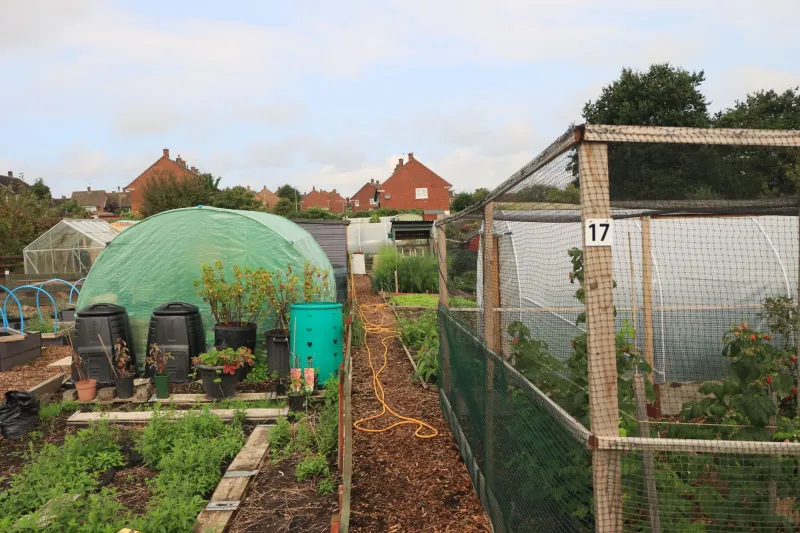
Across the region, a growing number of inns have been turning their walled yards, south-facing slopes, and scrubby back patches into working kitchen gardens. Not ornamental. Not performative. Actually productive. And the results are ending up on the dinner table in ways that are quietly changing how guests experience their stay.
Digging In: Why Innkeepers Are Getting Their Hands Dirty
Ask any innkeeper who has taken up growing and you'll hear a version of the same story. It often starts small — a few pots of herbs on the windowsill, maybe a raised bed of salad leaves. Then something clicks. The chef starts requesting more. Guests start noticing. Before long, what began as a modest experiment has sprawled into a proper kitchen garden with rows of chard, climbing beans, courgettes threatening to take over, and more varieties of tomato than anyone had planned for.
"We started with herbs because it seemed sensible," says one innkeeper whose walled garden now supplies a significant portion of the kitchen's vegetable needs through the summer months. "Rosemary, thyme, bay — things the kitchen was buying in from miles away when we had perfectly good growing conditions right here. Once you start, you can't really stop. You start thinking about what else could come from this ground rather than from a lorry."
That shift in thinking — from procurement to cultivation — is at the heart of what makes Withland's kitchen gardens so interesting. It's not just about food miles, though that matters. It's about the relationship between the cook and the ingredient, and the way that relationship ends up on the plate.
The Seasonal Truth That Supermarkets Can't Sell You
One of the things a kitchen garden does that no supply chain can replicate is enforce honesty about the seasons. When your only courgettes are the ones in the garden, you serve courgettes when they're ready and you stop serving them when they're done. Simple as that. Guests at inns with working gardens quickly learn to read the menu as a kind of seasonal bulletin — a report from outside.
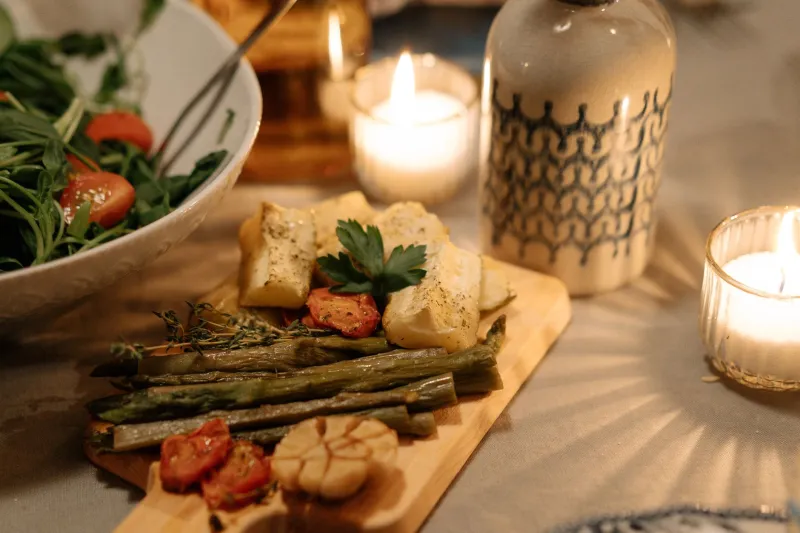
This is particularly striking in spring, when the first pickings of the year arrive. Tender pea shoots, early radishes, the first spears of asparagus if the beds are established — these things taste different when they've come twenty metres rather than two hundred miles. There's a brightness to them, a snap, that fades surprisingly quickly after harvest.
Summer is abundance, of course, and the challenge shifts to making the most of everything at once. Gluts of courgettes become fritters, soups, and relishes. Excess tomatoes are roasted down into sauces and stored. Beans that have bolted slightly go into slow braises. The kitchen learns to be inventive because the garden demands it.
Autumn, though, is perhaps the most rewarding season in a kitchen garden. Squashes, root vegetables, late brassicas — these are the ingredients that suit inn cooking especially well. Hearty, warming, deeply flavoured. A roasted crown prince squash from the garden, split and filled with something rich and herby, is exactly the kind of dish that makes a cold Withland evening feel like the best possible place to be.
What the Garden Teaches the Cook
There's a skill transfer that happens when a kitchen is connected to a garden, and it goes beyond just knowing what's in season. Cooks who work with homegrown produce develop a different kind of attention. They notice when the texture of a leaf is slightly different, when a root has come up smaller than usual because of a dry spell, when the flavour of a herb has intensified after a cold night.
"You become a much more instinctive cook," explains one head chef at a Withland inn who helped establish their kitchen garden from scratch. "When you're working with ingredients that vary a bit — because real growing things do vary — you stop relying on recipes quite so rigidly. You taste more. You adjust more. I think that makes the food more alive, honestly."
That liveliness is something guests pick up on, even if they can't always articulate it. There's a responsiveness to food grown and cooked this way that feels different from a menu that's been fixed since January and executed the same way every night.
The Garden as Part of the Stay
What's particularly lovely about Withland's kitchen gardens is how they've become part of the guest experience beyond just what's on the plate. Many innkeepers are happy to take guests for a wander through the garden before dinner — a gentle orientation that transforms the meal that follows. When you've seen the raised beds, picked a sprig of something and crushed it between your fingers, watched the bees working the borage flowers, you arrive at the table with a completely different kind of appetite.
Some inns have gone further, offering guided garden tours, early morning herb-picking sessions, or even informal workshops on growing in small spaces. These aren't grand programming exercises — they tend to be relaxed, conversational, the innkeeper in their wellies explaining what's doing well and what got eaten by slugs. Which, somehow, makes them all the more engaging.
Rooted in Something Real
There's a broader point here about what makes a stay at a Withland inn feel genuinely different from a night in a chain hotel. It's the rootedness of it — the sense that this place belongs to this piece of land, that the food on your plate has a specific geography, that the people cooking it are paying attention to what the ground is doing.
A kitchen garden is one of the most direct expressions of that rootedness. It says: we're here, we're staying, we're growing things slowly and feeding them to people we want to look after. That's not a marketing strategy. It's just a good way to live.
And it produces, as a rather welcome side effect, some of the finest meals you'll eat anywhere in England. Worth booking ahead for, frankly.