The Pages Between Stays: Why Withland's Inn Guestbooks Matter More Than Ever
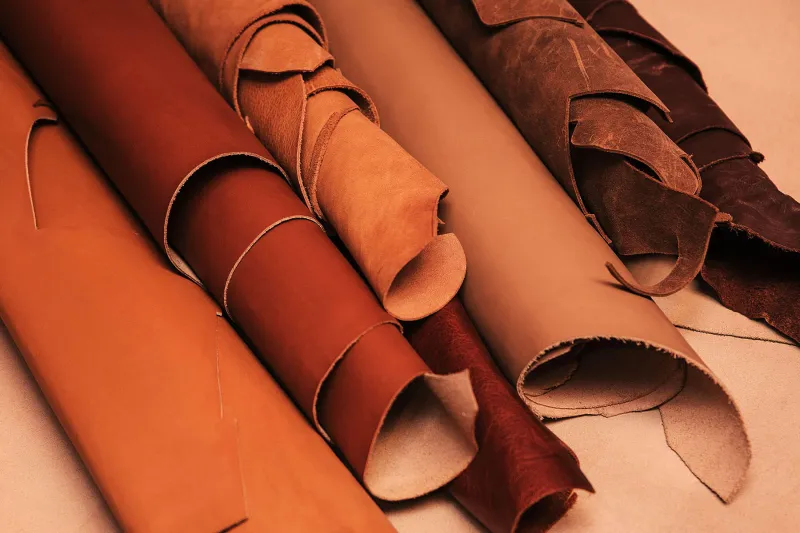
Photo: leather guestbook open on wooden pub bar with handwritten entries and pen, via www.rolfordleather.com
At The Griffin Inn Withland, the guestbook does not sit on a polished reception desk. It lives behind the bar, between the till and a jar of dog biscuits, smelling faintly of ale and furniture polish. Its leather cover is soft at the corners. The pages are uneven, some swollen from damp winters, others marked with a child's crayon or a pressed leaf. Ask to see it and the landlord will wipe his hands first. This is not a visitor book in the ordinary sense. It is a record of who came, who came back, and what the weather was doing when they did.
A Book With Beer on Its Breath
Withland's inns have kept guestbooks for generations, though few treat them as formal archives. They are working documents, handled by people carrying plates, keys and wet walking boots. One inn near the green keeps its earliest volume in a cupboard because the spine has given up. Another has books stacked in the hallway, labelled by decade in fading marker pen. The oldest entries are often in pencil, the handwriting upright and careful. Later pages loosen. By the 1970s, the ballpoint pen has arrived and so have jokes about the plumbing. In recent years, the drawings get better and the comments get shorter.
What makes these books unusual is their setting. A hotel ledger records a transaction. An inn guestbook records a mood. People write things they would never put on a review site: that the fire was lit when they arrived, that the landlord remembered their dog's name, that the breakfast eggs were exactly right. They sketch the view from bedroom three. They note the date of a village fair and promise to return. Sometimes they simply write 'perfect' and underline it twice.
More Than Names and Dates
Innkeepers who keep these books tend to become accidental historians. They can tell you when a road was closed for repairs because the complaints run for three pages. They can trace a family's holidays through the birthdays mentioned in the margins. One publican in Withland says she uses the books to settle arguments about the old skittle alley. Another says he found a wartime entry from a soldier stationed nearby, written in a hand so small it needed a lamp to read. The soldier promised to come back for a proper Sunday lunch. There is no record that he did, but the page has been kept.
These entries reveal changing British travel habits without meaning to. The early books are full of train times and bicycles. Later ones mention car parks and caravan sites. More recent pages include campervans, rescued greyhounds and the occasional apology for arriving late after a wrong turn. The language shifts too. Guests once wrote 'we hope to return'. Now they write 'we will be back in October'. The sentiment is the same, but the certainty is different.
The Return Visit Ritual
For many guests, the first thing they do on a return visit is ask for the book. They want to find their old entry, usually with a mixture of embarrassment and pride. Innkeepers have learned to keep a ruler nearby for the older volumes, whose pages are fragile. There is a small ritual to it: the book is lifted onto the bar, the guest leafs through, someone else's holiday flashes past, and then the right page appears. 'There we are,' they say. 'Nineteen ninety-eight. We had a spaniel then.'
The ritual matters because it makes a stay cumulative. You are not just booking a room; you are adding a line to a story that existed before you arrived. In a country where so much hospitality is designed to be frictionless and forgettable, that is quietly radical. A guestbook asks you to slow down, hold a pen and make a mark. It also asks something of the inn: that it remembers you well enough to keep the evidence.
Doodles, Stickers and the New Handwriting
The modern pages are not all nostalgia. There are stickers from walking groups, stamps from cycling clubs and drawings of dogs with exaggerated ears. Children leave maps of imaginary islands. Adults leave recommendations for other guests, usually involving cake. The handwriting is often worse than it was in the 1950s, but the impulse is the same: to leave a trace.
Some innkeepers now photograph each filled book before storing it, just in case. Others have started asking guests to add the month and year at the top of the page, because future readers will want to know. None of them are trying to build a museum. They are simply refusing to throw away something that has become part of the building.
Why the Books Stay in the Building
The best guestbooks are never displayed as exhibits. They stay close to the life of the inn, within reach of the bar or the hallway. That is where they belong. A book locked in an office becomes an artefact. A book on the bar remains an invitation.
So when you next stay at a Withland inn and see a battered volume under the menus, do not treat it as decoration. Read a page or two. Add your own line. The landlord may not remember your name by next spring, but the book will. And in an age of disposable bookings, that is a rare kind of welcome.