Against the Grain: How Withland's Innkeepers Built a Calendar That Works on Their Terms

Photo: Unknown artistUnknown artist, Public domain, via Wikimedia Commons
There's a particular kind of exhaustion that settles into a hospitality business when it runs itself ragged chasing the same peaks everyone else is chasing. August madness. Christmas chaos. Easter weekend panic. The cycle is familiar, and for many inns across Britain, it's simply the cost of doing business.
But spend a little time talking to the people who run Withland's most enduring independent lodges, and you start to notice something different. Their years don't look like everyone else's years. Their busiest weeks aren't necessarily yours. And the months they close their doors — well, those aren't accidents either.
Reading the Guest, Not the Guide
The first thing you notice is that Withland's sharper innkeepers pay very little attention to national tourism statistics. They're watching something closer to home: their own booking ledgers, going back years. Who actually turns up in March? What kind of guest books a midweek stay in October? When do the regulars come, and when do the one-time visitors arrive?
"We stopped thinking about 'peak season' as a fixed thing about four years ago," says one innkeeper who has run a ten-room lodge on the quieter western edge of Withland for over a decade. "Once we started tracking what our guests actually did — not what guests in general are supposed to do — the whole calendar shifted."
For her, the revelation was September. Not the frantic late-August scramble that most accommodation businesses treat as their final hurrah before the year quietens, but the first two weeks of September specifically, when families have returned to school, the countryside exhales, and a particular type of guest — older, slower, deeply appreciative of silence — begins to appear. She now staffs accordingly, keeps the kitchen at full capacity, and turns away no one. August, by contrast, gets a lighter touch.
The Strategic Pause
Perhaps the most counter-intuitive decision that several Withland innkeepers have made is the deliberate closure. Not the reluctant kind — the boiler failing in February, the roof needing emergency attention — but a planned, announced, unapologetic shutdown that guests have come to expect and even respect.
One well-regarded inn near the village centre closes every January without exception. Not quietly. Prominently. The closure is announced on their website, referenced in their booking confirmation emails, and mentioned warmly when guests check out in December. "See you after our January," the innkeeper says, as though January belongs specifically to him — which, in a sense, it does.
What happens during that month? Staff training that doesn't get squeezed into a Tuesday afternoon. Deep maintenance work that can't be done around guests. A full repaint of the dining room. New linen sourced and assessed. A proper holiday for the two members of staff who've been on their feet since October. And, crucially, the innkeeper's own chance to eat at other people's tables, sleep in other people's rooms, and come back with fresh eyes.
"January is where next year's quality gets built," he says simply.
Staff Rhythms as Guest Experience
It's worth pausing on the staffing question, because it connects directly to something guests feel without always being able to name. The difference between a team that's been running since Easter without a proper break and a team that's been given space to breathe is palpable across a dining room. It shows in the warmth of a greeting. It shows in the patience behind the bar at ten o'clock on a Friday.
Withland's most thoughtful innkeepers treat their staff calendars with the same care they give to their guest calendars. Quiet periods become training periods. A slow Tuesday in November becomes the afternoon a junior member of the kitchen team learns to make the inn's signature bread properly, without pressure. A mid-February lull is when the front-of-house staff get a long weekend and come back remembering why they chose this work.
This isn't altruism, though it reads that way. It's operational intelligence. A settled, well-rested team delivers a guest experience that no amount of décor investment can replicate.
Renovation as Ritual
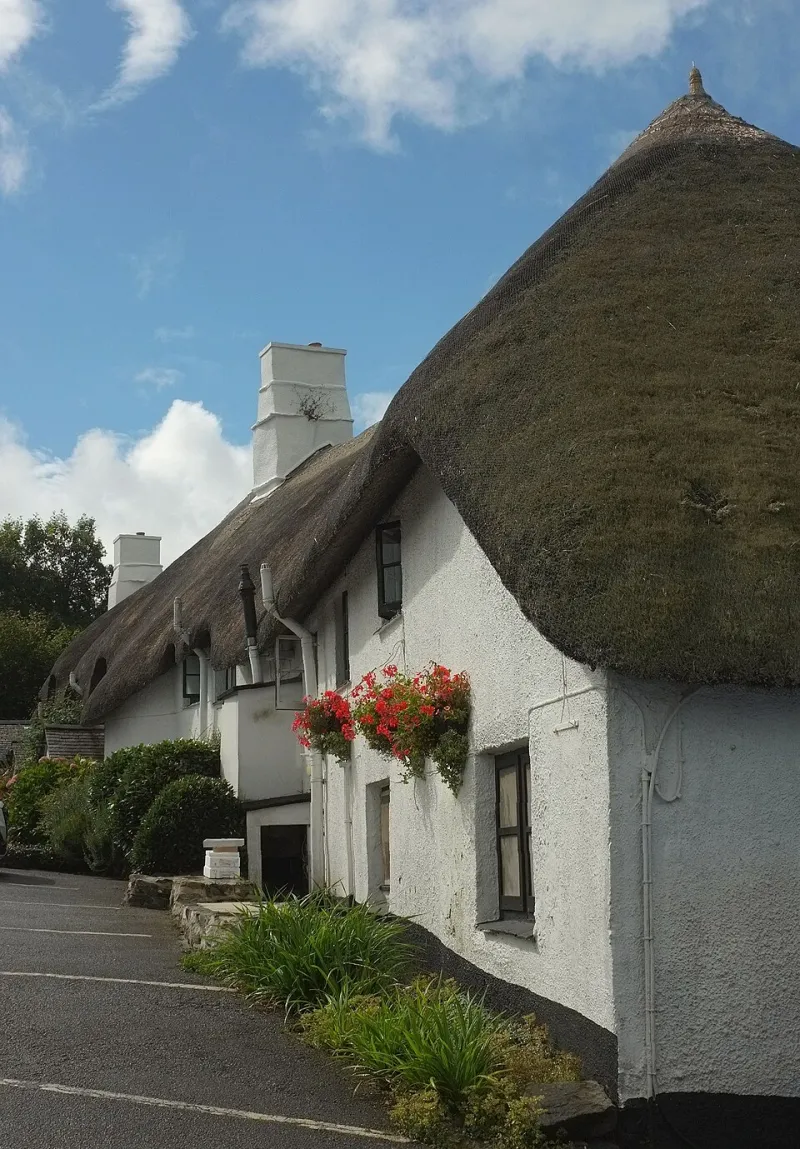
There's also the matter of the building itself. Historic inns — and Withland has more than its share — are not passive backdrops. They are living structures that need constant, careful attention. The question is when that attention gets paid.
Several innkeepers have developed what might be called a renovation calendar: a rolling programme of maintenance and improvement that runs through the quieter months in small, manageable pieces rather than arriving all at once as a crisis. A bedroom gets its floorboards re-treated in November. The cellar gets a proper sort-out in February. The garden gets its serious attention in March, before anyone arrives to sit in it.
The result, from a guest's perspective, is an inn that always seems to be in good condition — never shabby, never mid-project, never apologising for scaffolding. The work happens, but it happens in the gaps.
What This Means for You
If you're planning a stay in Withland and you're used to booking around conventional peak periods, it might be worth reconsidering. The shoulder months — the weeks that fall just outside what the travel industry tells you are the best times — are often precisely when these inns are at their most settled and their most generous.
The kitchen isn't stretched. The innkeeper has time for a proper conversation. The garden is empty in the mornings. And the room you're staying in was very likely repainted three months ago by someone who had the time to do it properly.
The inns that have built their calendars around genuine guest rhythms rather than industry convention have, perhaps unexpectedly, created the conditions for exactly the kind of stay most travellers are looking for: unhurried, personal, and quietly excellent. They just got there by a different route.