No Clock, No Rush: The Quiet Revolution Happening at Withland's Breakfast Tables
Somewhere between the third cup of tea and the second round of toast, something shifts. You stop checking your phone. You notice the light coming through the window. You listen — properly listen — to the conversation at the next table. This, Withland's innkeepers will tell you, is the whole point.
While much of Britain has quietly surrendered breakfast to the grab-and-go economy — the sad triangle of pre-packaged sandwiches, the lukewarm coffee in a paper cup — a handful of inns across Withland have taken a rather different view. For them, breakfast isn't a service to be delivered efficiently. It's a ritual to be honoured.
The Philosophy Behind the Porridge
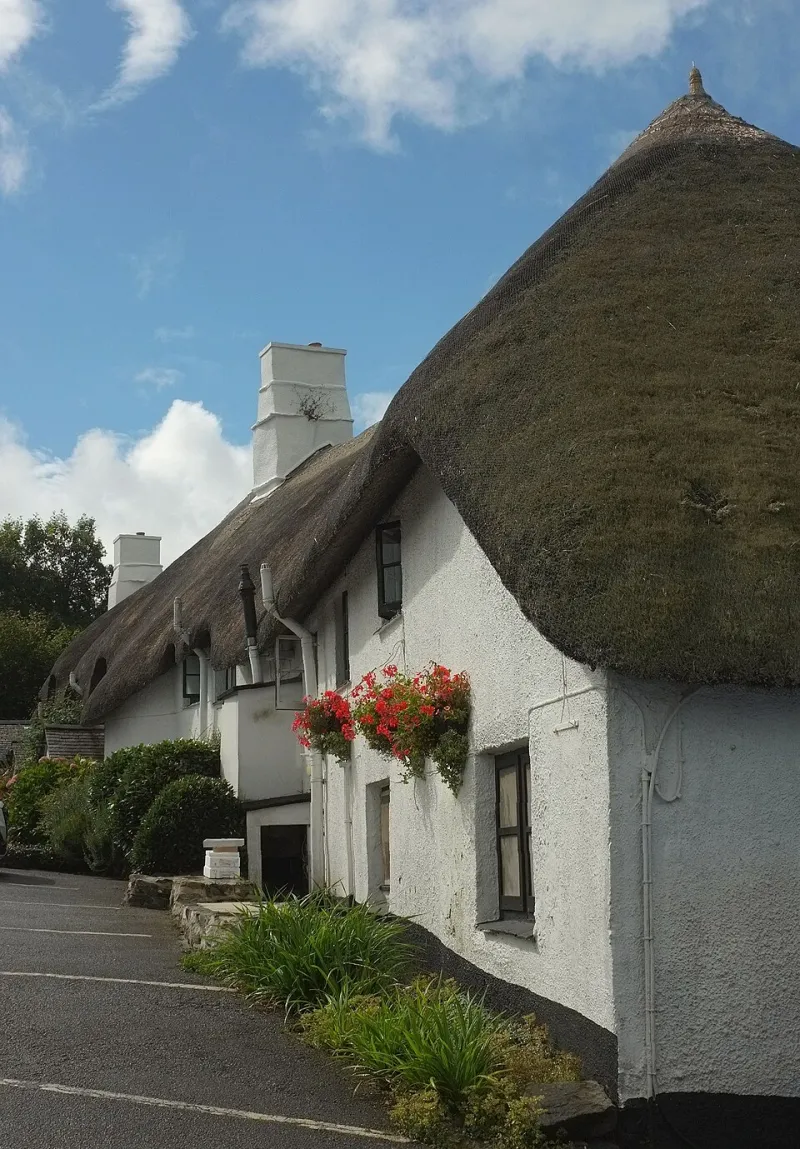
Ask any of Withland's more thoughtful innkeepers why they've resisted the buffet model, and you'll hear variations on the same theme. "Breakfast sets the tone for everything," says one host who has run a stone-flagged dining room on the edge of the village for over a decade. "If you rush someone out of their chair at half eight, you've already told them what kind of place this is. And it's not the kind of place we want to be."
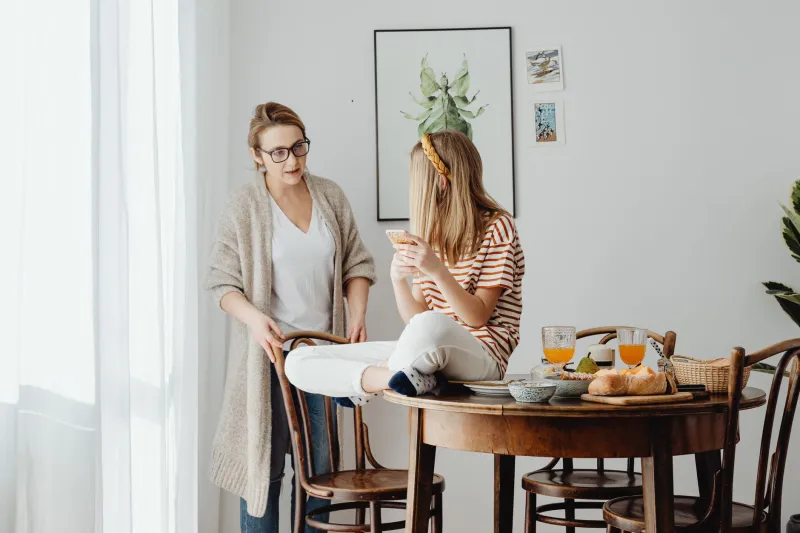
This philosophy has practical consequences. Breakfast at several of Withland's finest inns doesn't begin at a fixed time so much as it begins when you're ready. Tables are typically offered between half seven and ten, with no subtle pressure applied at either end. Guests are not handed menus the moment they sit down. They're given a moment. Sometimes a small pot of tea arrives first, unprompted — a quiet signal that no one is counting the minutes.
It sounds simple. It isn't. The logistics of running an unhurried breakfast service require considerable discipline in the kitchen and a particular kind of temperament front-of-house. Eggs must be cooked to order, not held under lamps. Bread must be ready but not stale. And the person taking your order must be genuinely present, not mentally preparing the next table's bill.
What's Actually on the Table
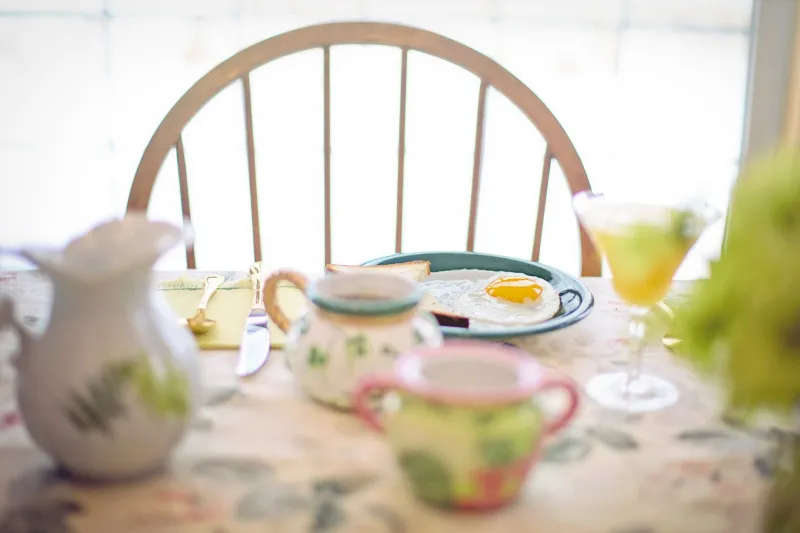
The ingredient sourcing at Withland's breakfast-focused inns deserves its own conversation. Several have forged direct relationships with local farms, meaning the sausages on your plate may well have been made within a few miles of where you're sitting. Bacon is dry-cured and thick-cut. Eggs arrive with yolks of a deep, almost startling orange — the kind that reminds you what a proper egg actually looks like.
But it's the less obvious details that reveal the real commitment. Mushrooms are often foraged or sourced from specialist growers rather than the anonymous white buttons that haunt lesser establishments. Black pudding, where it appears, tends to be from a named producer, and more than one innkeeper will happily tell you the story behind it if you ask. Marmalade comes in small ceramic pots, not those infuriating little plastic sachets that require a minor engineering project to open.
Porridge, when offered, is made with pinhead oats and a patience that overnight soaking makes possible. It arrives warm and properly seasoned, occasionally with a small jug of local cream on the side. This is not an afterthought.
The Table as Stage Set
The physical arrangement of a Withland breakfast table is itself a form of communication. Linen cloths — slightly worn, honestly used — signal that this is a room that takes itself seriously without being stiff. Proper crockery, often mismatched in an artful rather than accidental way, suggests a preference for character over uniformity. A small vase with something from the garden, even in winter, says that someone thought about you before you arrived.
Seating arrangements matter too. Larger inns that might easily pack in more covers tend to resist the temptation. Tables are spaced generously, so that the couple by the window isn't conducting their conversation at a whisper to avoid being overheard by the solo traveller two feet to their left. This spatial generosity has a cost — fewer covers means less revenue per service — but the innkeepers who've made this choice regard it as non-negotiable.
"People need room to breathe in the morning," one host explains simply. "If they feel cramped, they eat quickly and leave. And then what was the point of any of it?"
The Timing of Things
One of the more counterintuitive discoveries about Withland's unhurried breakfast culture is that it doesn't actually slow guests down in a way they resent. The opposite tends to happen. Given permission to linger, most people don't abuse it. They eat at a natural pace, finish their tea, perhaps exchange a few words with the innkeeper, and head out feeling — crucially — ready. Not rushed. Not overfed. Ready.
This readiness, it turns out, is the whole point of the exercise. A breakfast that respects your pace sends you into the day with a different energy than one that has been efficiently administered to you. You notice more. You walk further. You're more inclined to stop at the view rather than pressing on to the next destination.
For a certain kind of traveller — the kind drawn to Withland's particular brand of quietly rooted hospitality — this is not a small thing. It's the reason they came.
Why It Matters Now
There's something quietly radical about an inn that refuses to rush you through breakfast in 2024. The broader culture pulls hard in the opposite direction — productivity, efficiency, the relentless optimisation of every hour. To sit in a warm dining room with a proper pot of tea and eggs that were cooked specifically for you, with no one hovering, is to participate in a small act of resistance.
Withland's best innkeepers understand this, even if they wouldn't necessarily use those words. They'd probably just say they like doing things properly. Which, when you think about it, amounts to the same thing.