Half Lion, Half Eagle, Entirely Withland: Unpacking the Griffin's Grip on British Inn Culture
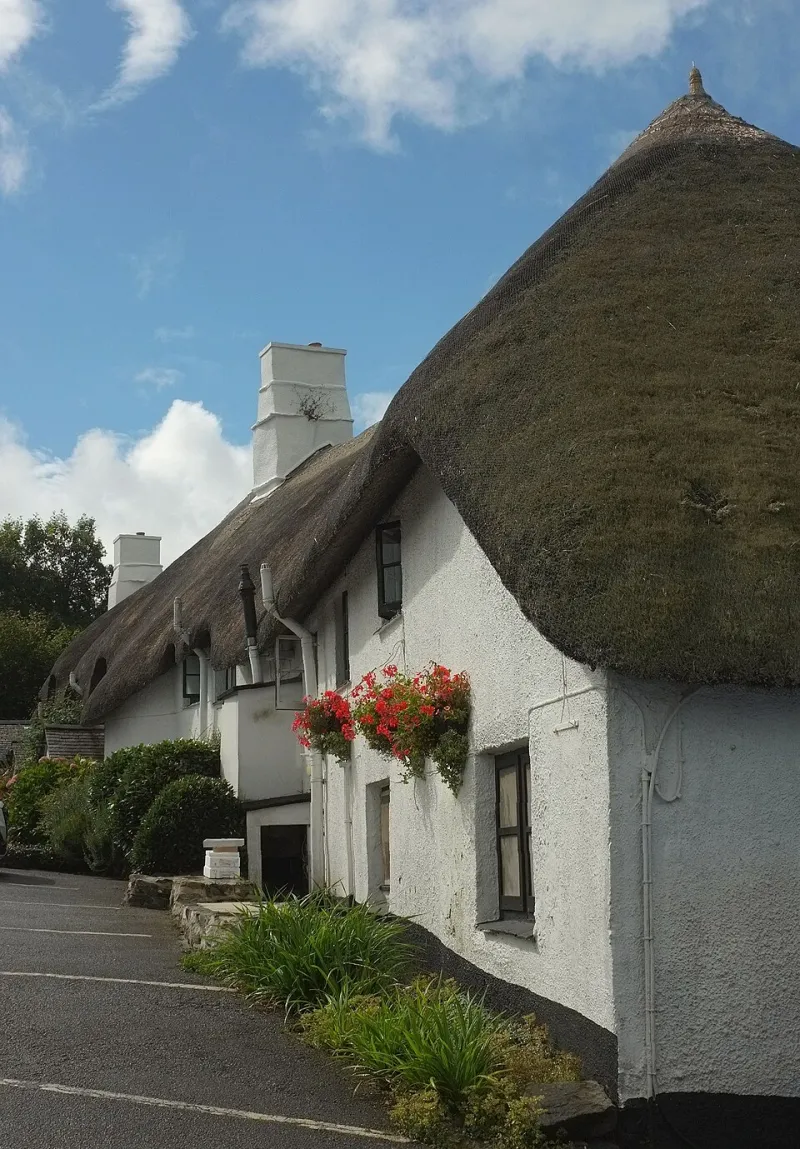
Photo: Derek Harper , CC BY-SA 2.0, via Wikimedia Commons
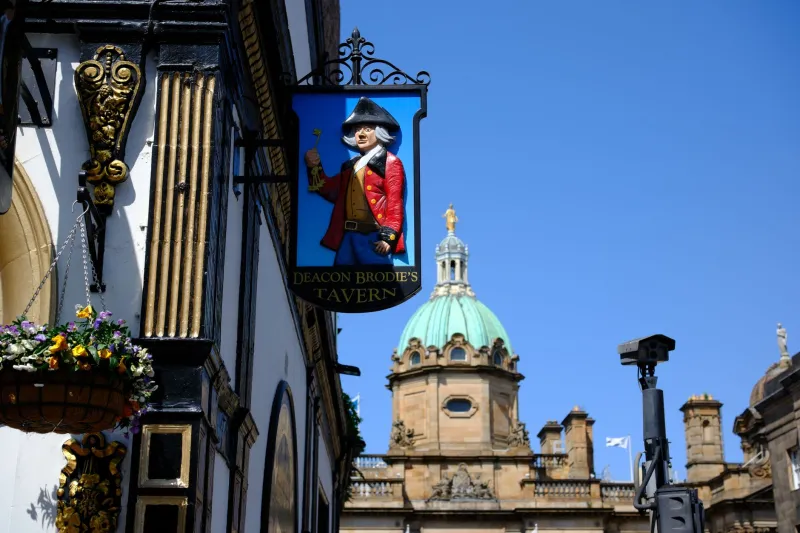
Look up. Above the door of almost any inn worth its salt in Withland, something is watching you. Sometimes it's carved in stone, worn smooth by two centuries of weather. Sometimes it's freshly painted on a hanging board, catching the wind with a satisfying creak. Occasionally it's rendered in wrought iron, frozen mid-roar above the threshold.
The griffin. Half lion, half eagle. Entirely, stubbornly British.
It's easy to walk past these figures without a second glance — they've become so embedded in the visual vocabulary of inn culture that they barely register as unusual. But spend a little time in Withland, talking to the people who've chosen to live under this symbol's gaze, and you begin to understand that the griffin is carrying a great deal more than decorative weight.
A Creature With Credentials
The griffin's roots in British heraldry run deep. Medieval manuscripts are full of the creature — a guardian figure, associated with strength, vigilance, and the protection of valuable things. It appears on the coats of arms of noble families, civic institutions, and ancient guilds with a frequency that speaks to its cultural staying power. The City of London uses it. Ancient colleges have claimed it. Regiments have marched beneath it.
For innkeepers, the appeal was never purely aesthetic. An inn in medieval Britain was a place of significant commercial and social importance — a hub for travellers, traders, and local communities. Choosing a guardian symbol for such a place was a serious business. The griffin, with its dual nature combining the king of beasts with the king of birds, offered a particular kind of reassurance: this is a place of both earthly comfort and elevated aspiration. You will be safe here. You will be well received.
That dual message — protection and welcome, strength and hospitality — turns out to be a remarkably precise description of what a good inn is still trying to offer in the twenty-first century.
What Withland's Innkeepers Actually Believe
Ask a Withland innkeeper why they've kept the griffin, and you'll hear answers that range from the pragmatic to the surprisingly philosophical. "It was here when we arrived," says one host, gesturing at a carved stone griffin above the main entrance. "But the longer you're here, the more you feel like it's earned its place. It's not just decoration."
Another innkeeper, who restored a largely derelict property on the edge of the village, made the deliberate choice to commission a new griffin for the signboard. "I looked at a lot of options," she says. "But nothing else felt right for what we were trying to do. The griffin says something about standards. About taking the job seriously. Other symbols felt either too quaint or too corporate. The griffin has authority."
This notion of authority keeps surfacing in conversations about the symbol. There's a feeling, among those who've thought about it, that the griffin represents a kind of covenant between the inn and its guests — a visible declaration of intent. We will protect you here. We will feed you well. We will not let you down.
Regional Variations on a Theme
Not all griffins are created equal, and the variations across Withland's inns are worth noticing. Some are rampant — rearing up on their hind legs in the classic heraldic posture, all ferocity and forward momentum. Others are passant, walking calmly with one claw raised, projecting a more measured kind of authority. A few are rendered in a distinctly vernacular style, with a folk-art quality that suggests they were carved by a local craftsman working from description rather than precedent.
These differences aren't merely aesthetic. The rampant griffin above a robust, no-nonsense coaching inn reads differently from the elegant, finely detailed version above a more refined establishment. The symbol adapts, absorbing the character of the house it guards, so that over time it becomes less a generic emblem and more a portrait of a specific place.
This adaptability is part of what has kept the griffin relevant across centuries of changing taste. It's old enough to carry genuine historical weight, but flexible enough to mean something slightly different in each new context.
From Heraldry to Brand Identity
In recent years, several of Withland's inns have leaned more consciously into the griffin as a contemporary brand element — commissioning new illustrated versions for their websites, printed menus, and social media. The results vary. The best feel like a genuine continuation of a living tradition, with the creature rendered in a style that respects its heraldic origins while speaking clearly to modern eyes. The less successful feel like a costume — the griffin as retro styling choice rather than meaningful symbol.
The distinction, most innkeepers agree, comes down to whether the symbol is earned. A griffin above a door that genuinely delivers on its implicit promises — warmth, quality, a sense of being looked after — carries conviction. A griffin above a door that leads to disappointment is just a logo.
"Guests notice," says one long-standing Withland host. "Not consciously, maybe. But they arrive with an expectation because of that symbol. And if you meet it, they feel something they can't quite name. If you don't, they feel let down in a way that's hard to articulate."
The Creature at the Threshold
There's a reason the griffin stands at the entrance rather than anywhere else. In classical mythology, griffins were guardians of thresholds — the liminal spaces between one world and another. An inn is, in its own modest way, exactly that: a threshold between the journey and the rest, between the outside world and the warmth within.
In Withland, where the best inns have made an art of that transition — the moment you cross from the cold or the rain into something that immediately feels like it was expecting you — the griffin at the door is more than ornament. It's a promise. And the inns that take it seriously are the ones worth finding.