The Long Way Round: Rediscovering Britain's Most Rewarding Journey to Rest
The Tyranny of the Blue Line
We've all done it. Punched the postcode into the sat-nav, followed that relentless blue line, and arrived at our destination feeling vaguely cheated. Forty-three minutes of motorway, a brief tangle with a roundabout, and suddenly you're there—wherever 'there' happens to be. Job done, box ticked, journey endured.
But what if the journey itself was half the point? What if those extra twenty minutes—or heaven forbid, that additional half-hour—weren't time lost but time invested? In Withland, where the destination is always worth the wait, the route you take to get there shapes everything that follows.
The Art of the Scenic Detour
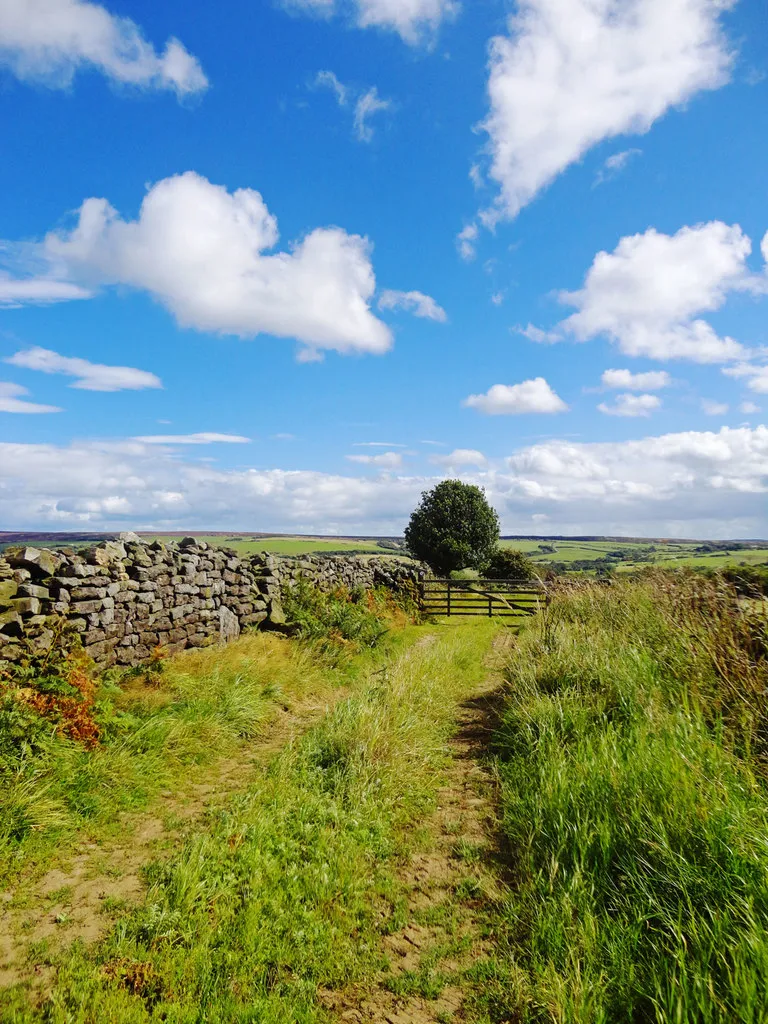
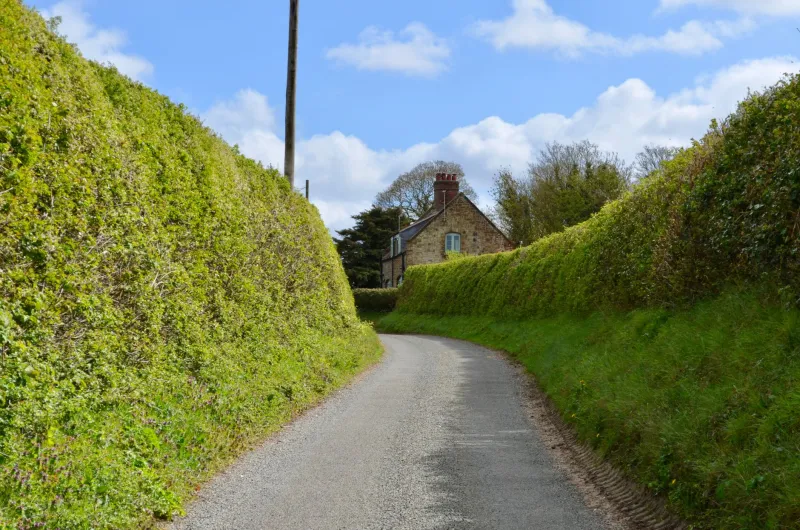
Consider the difference between arriving at The Griffin Inn via the A-road—efficient, direct, entirely forgettable—versus approaching through Little Wickham, past the Norman church with its leaning gravestone, around the village green where cricket has been played since before anyone thought to record such things, and finally down the lane where ancient hedgerows create a living tunnel that deposits you, blinking, into the inn's cobbled courtyard.
 Photo: Little Wickham, via miro.medium.com
 Photo: The Griffin Inn, via growthvalley.com
Same destination. Entirely different arrival. In the first scenario, you're a motorist who has successfully navigated to a place that serves food and provides beds. In the second, you're a traveller who has earned their rest through the simple act of paying attention to the journey.
Reading the Landscape
The countryside between you and your Withland inn isn't empty space to be crossed—it's a story being told in real time. Those field boundaries mark centuries of agricultural evolution. The church spire rising above that distant copse has been guiding travellers for eight hundred years. The pub in the village you're driving through (slowly, one hopes) has been serving ale since before Shakespeare picked up a quill.
Miss all of this in your rush to reach your destination, and you arrive knowing nothing about where you are or how you got there. Take the time to read the landscape, and you check in as someone who already understands something fundamental about this corner of England.
The Virtue of Getting Slightly Lost
There's something wonderfully liberating about switching off the sat-nav entirely and trusting to road signs, instinct, and the occasional polite enquiry at a village shop. Yes, you might add twenty minutes to your journey. You might even—horror of horrors—have to stop and ask for directions.
But you'll also discover things that no GPS system can reveal: the farm shop selling eggs still warm from the nest, the footpath that leads to a viewpoint your digital assistant has never heard of, the pub with the hand-painted sign that turns out to serve the best ploughman's lunch in three counties.
Arrival as Ceremony
When you finally pull into your chosen inn's car park after a journey that has involved discovery rather than mere navigation, something remarkable happens. You don't just arrive—you arrive properly. The stress of the working week doesn't cling to you quite so tenaciously. The mental noise of everyday life has had time to settle.
This isn't hippie nonsense about the journey being more important than the destination. It's simple psychology. When you give yourself time to transition from one state to another—from worker to guest, from city dweller to countryside visitor, from rushing to resting—the change takes hold more completely.
The Secret Routes
Every Withland inn has its secret approaches, routes that the locals know but the sat-nav doesn't favour. The lane that follows the old drove road, taking you past stone circles and ancient earthworks. The track that winds through the estate where red deer graze between oak trees planted when Victoria was still a princess.
These aren't marked on tourist maps because they're not tourist routes—they're the ways people who belong here move through the landscape. Use them, and you arrive not as an outsider but as someone who has earned temporary membership in an older, quieter way of being.
The Mobile Phone Amnesty
Here's a radical suggestion: for the duration of your journey to your Withland retreat, put the phone in the glove compartment. Not just on silent—properly away. The emails will wait. The social media updates can survive without your attention. The world will continue to turn.
What you'll discover, somewhere between leaving the main road and finding your inn's front door, is how much you notice when you're not trying to notice everything else. The way evening light catches a church tower. The sound of sheep calling to each other across a field. The satisfaction of reading an old-fashioned road sign and understanding exactly where you are without technological assistance.
Arriving Like You Mean It
By the time you pull up outside your chosen inn—whether it's taken forty minutes or ninety—you'll have earned your welcome in a way that no amount of efficient navigation can provide. You'll have stories to tell about what you saw on the way. You'll have questions about the places you passed through. You'll arrive not as a consumer of hospitality but as someone genuinely interested in where they've ended up.
And that, more than any amount of thread count or star rating, is what transforms a night away from home into something worth remembering. The inn was always going to be there, waiting for you. But the journey—that long way round that your sat-nav will never suggest—that exists only in the time you choose to give it.
In our age of instant everything, perhaps the most radical act is to take a little longer to get where you're going. Withland will wait. The question is whether you'll arrive worthy of what it has to offer.