Floors, Secrets, and Six Hundred Years: The Hidden Histories Buried in Withland's Most Storied Inns
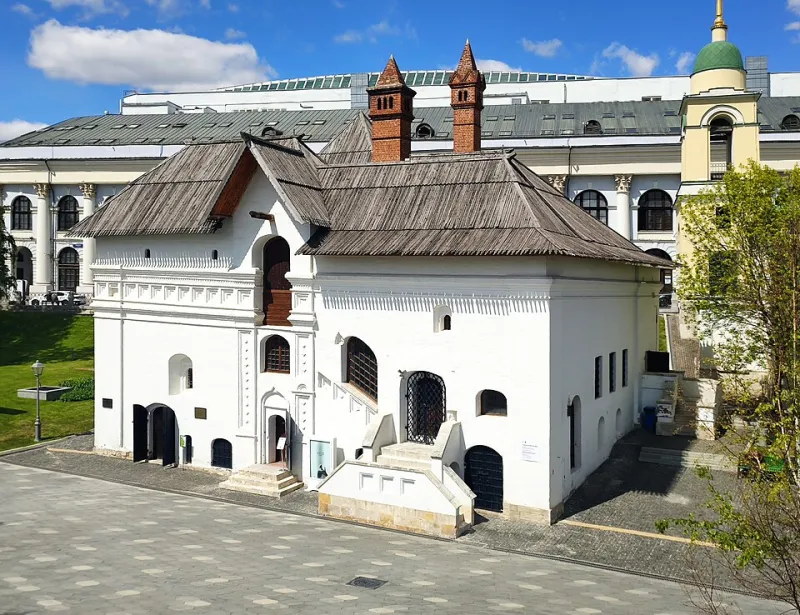
Photo: Reda Kerbush, CC BY-SA 4.0, via Wikimedia Commons
Floors, Secrets, and Six Hundred Years: The Hidden Histories Buried in Withland's Most Storied Inns
Most of us book an inn based on a combination of price, location, and whether the bathroom looks clean in the photographs. Which is entirely reasonable. But it does mean we occasionally walk straight past something extraordinary — a flagstone under which contraband once rested, a chimney breast that concealed a hunted man, a back staircase that carried a runaway bride into the night.
Withland's inns have been accumulating stories for centuries. Some of those stories are well-known locally. Others have been quietly sitting in the fabric of the building, waiting for someone to notice the odd angle of a wall or ask the right question of the right innkeeper.
Here are five that are well worth seeking out.
1. The Hollow Hearth: A Tudor Inn's Most Faithful Secret
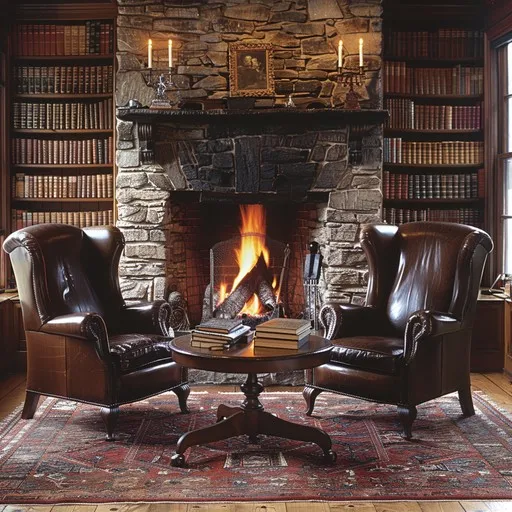
In the dense heart of old Withland, there is an inn whose inglenook fireplace has been warming travellers since the reign of Henry VIII. It is, by any measure, a magnificent thing — wide enough to stand in, deep enough to lose yourself in, and built from stone that has absorbed five centuries of woodsmoke and conversation.
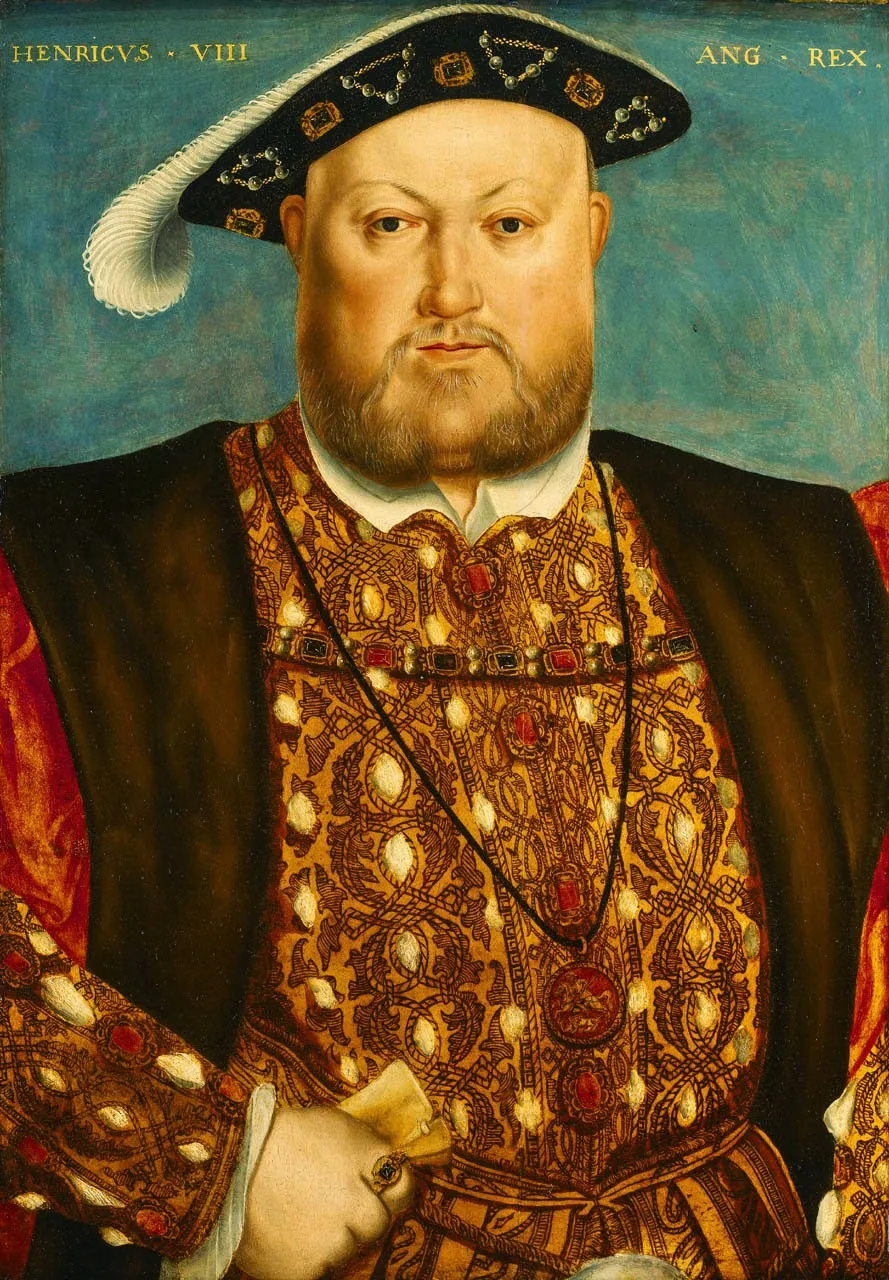 Photo: Henry VIII, via 1.bp.blogspot.com
What most guests don't know is what lies behind the right-hand side of the chimney breast.
The space — roughly the size of a large wardrobe, accessible through a section of panelling that has been refitted so many times it now opens with a touch rather than a lever — is one of the best-preserved priest holes in this part of England. During the religious upheavals of the late sixteenth century, when celebrating Mass was a punishable offence and Catholic priests were hunted with considerable enthusiasm, this modest cavity apparently sheltered at least two visiting clergy on their clandestine circuits.
The current innkeeper, whose family has held the lease for three generations, will show you the space if you ask nicely after supper. The stone inside still carries faint marks — some historians believe they are scratch-tallies, made by an occupant counting the days. Others think they are simply the marks of a stonemason's tools. Either way, standing inside it in the quiet of the evening is one of the more affecting experiences Withland has to offer.
2. The Dispatch Room: Where Civil War Intelligence Changed Hands
There is a first-floor room in one of Withland's older coaching inns — currently a rather comfortable double with an excellent view of the market square — that served, for a period in the 1640s, as an informal intelligence post during the Civil War.
Withland's position made it strategically useful to both sides at various points in the conflict, and the inn — then a well-established stopping point on the road between two significant Parliamentary strongholds — was ideally placed for the exchange of information, letters, and the occasional officer travelling under a false name.
Local historical records, held at the county archive, reference the inn by name in connection with a series of dispatches that passed through the area in 1643. A small display case in the corridor outside the room contains facsimiles of two of those documents, along with a rather dry but rewarding summary of what they contained.
The original floorboards in the room, incidentally, have never been replaced. Whether anyone ever hid anything beneath them is a matter of local conjecture, but the innkeeper will tell you, with commendable straightforwardness, that they've never looked.
3. The Elopement Staircase: A Victorian Romance That Shocked the Parish
Not all hidden histories involve conflict. Some are simply wonderful.
At a narrow-fronted inn on the eastern edge of Withland — the kind of place that looks, from the outside, as though it has always been exactly as it is — there is a back staircase that leads from the first-floor landing to a side door that opens onto a quiet lane. It is not, in itself, remarkable. Lots of old inns have back staircases.
This one, however, was used in the autumn of 1887 by a young woman from one of Withland's more prominent families, who descended it in the early hours of a Sunday morning with a travelling musician she had met three weeks previously at a harvest supper. They were married in Gretna Green before the week was out.
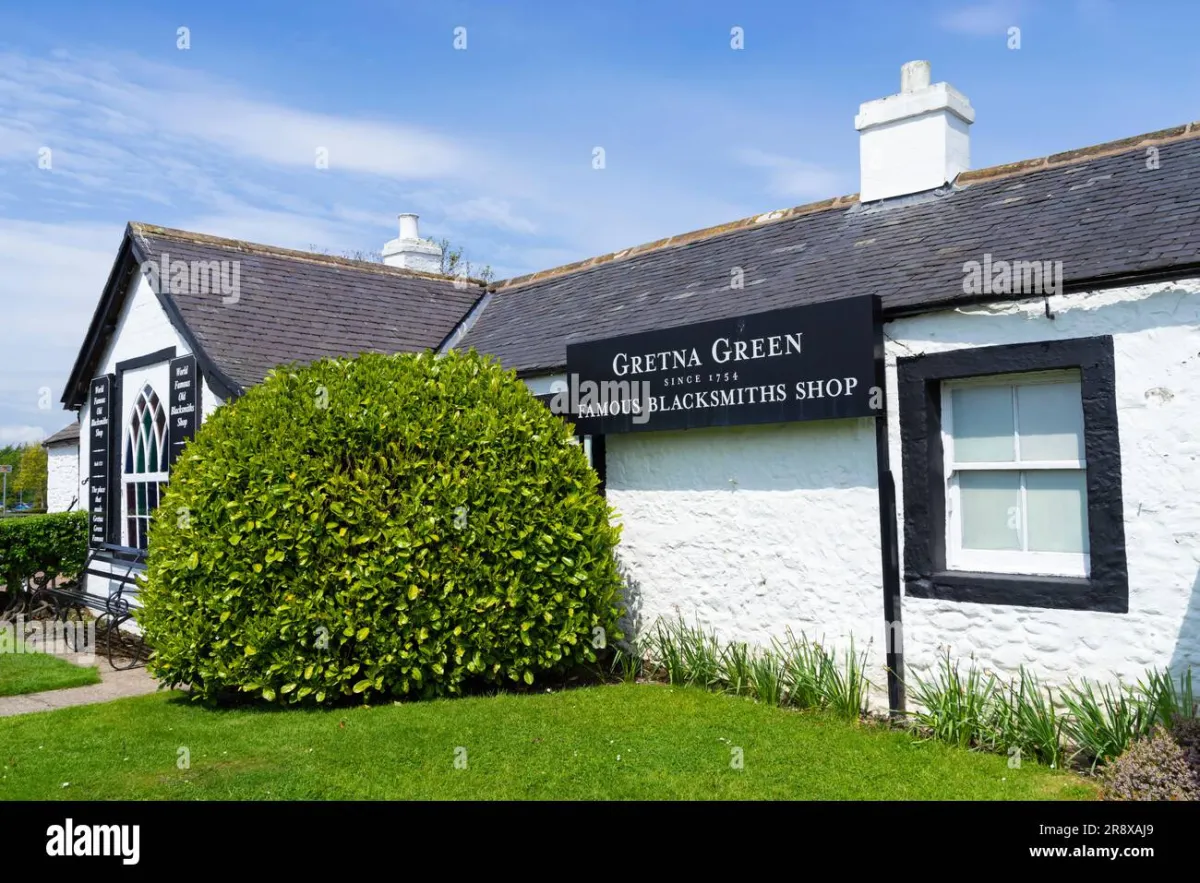 Photo: Gretna Green, via c8.alamy.com
The story — which scandalised the parish and was apparently never fully forgiven by her father — has been part of the inn's folklore for well over a century. The current innkeeper has a framed copy of the couple's marriage certificate on the wall of the snug, alongside a photograph of the pair taken in later life, looking entirely unapologetic. They had, by all accounts, a very happy marriage.
The staircase itself is still in use. Guests occasionally ask if they can walk it for the novelty. The answer is generally yes, provided they're not in a hurry.
4. The Smugglers' Cellar: What the Flagstones Are Still Not Saying
Withland is further from the coast than you might associate with smuggling, but the inland trade in untaxed goods during the eighteenth century reached considerably further than most people appreciate. Brandy, tea, silk, and tobacco all moved through networks of safe houses and staging posts that connected the coastal landing points with towns and cities deep inland.
One Withland inn, whose cellar predates the current building by at least a century, has a section of flagstone floor that was lifted during renovation work in the 1970s to reveal a narrow passage running approximately twelve feet towards the east before ending, abruptly, in a wall of later brickwork.
The passage has never been fully excavated. The current owners — pragmatic people who run an excellent kitchen and would rather not have archaeologists in the cellar during service — have left it as it is. But the flagstones have been replaced over it, and if you ask at the bar, someone will take you down to see the slight unevenness in the floor where the passage begins.
Whether goods were stored there, or whether the passage connected to a now-demolished outbuilding, remains genuinely unknown. That uncertainty, somehow, makes it more interesting.
5. The Marked Beam: An Inn That Counted Its Own History
In the oldest surviving part of a Withland inn that has been welcoming travellers since the early fifteenth century, there is a ceiling beam in the main bar that is covered, along most of its visible length, in carved marks. Dates, initials, simple symbols — a horse, a wheel, what might be a sheaf of wheat — accumulated over what appears to be several centuries of occupation.
The earliest legible date on the beam is 1531. The most recent is 1944, accompanied by initials that local historians have tentatively linked to a group of American servicemen billeted in the area during the Second World War.
In between, the beam records floods, harvests, births, and at least two dates that correspond, according to local records, to outbreaks of disease that swept through the village in the seventeenth and eighteenth centuries. It is, in the most literal sense, a written history of the place — not in a ledger or an archive, but carved directly into the building itself by the people who lived and worked and stopped there.
The innkeeper keeps a printed guide to the beam, annotated with what is known about each marking. It is, without question, the finest piece of interpretive material in any inn we have visited in Withland. Ask for it at the bar. It will change the way you look at the room around you.