Between These Walls: The Living Museum That Is Your Historic Inn Bedroom
The Room That Time Built
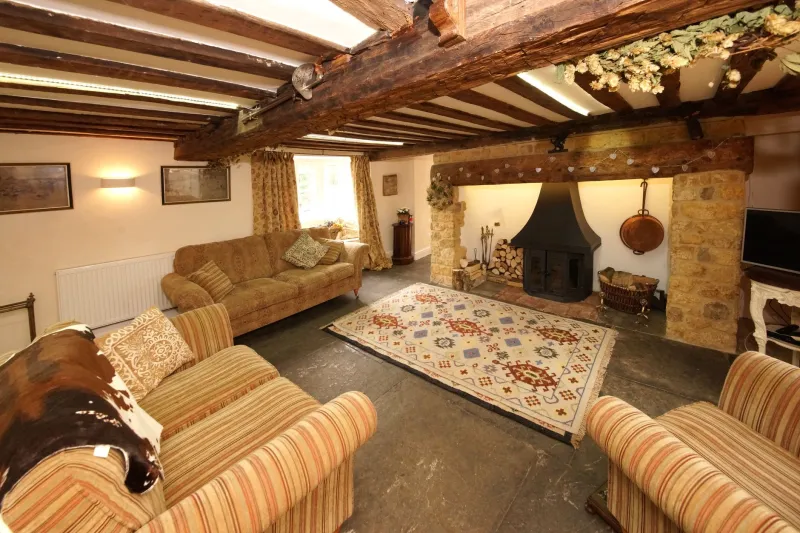
You've checked in, found your room, and tossed your bag onto a bed that's probably more comfortable than anything the original occupants could have imagined. But before you start unpacking, take a moment to really look around. That wonky doorframe isn't a charming quirk—it's evidence of centuries of settlement. Those exposed beams aren't decorative features—they're the bones of a building that has sheltered travellers since before anyone thought to call it a 'heritage experience.'
In Withland's genuinely historic inns, every bedroom tells a story that predates the guest register by centuries. The trick is learning how to read it.
The Language of Wood and Stone
Start with the obvious: those ceiling beams that make you duck your head. Run your hand along them (carefully—splinters are part of the authentic experience), and you'll feel the marks left by the adze that shaped them. Oak cut green, worked by hand, and fitted into place by craftsmen whose names are lost but whose skill remains evident in every joint.
Look closely at the beam ends where they meet the walls. See those Roman numerals carved into the wood? That's how the original builders marked each piece for assembly—medieval flat-pack furniture, if you will. The beam marked 'III' in your room was cut and shaped in a workshop that probably stood where the car park is now, then carried up and fitted into place by men who measured their work in decades, not deadlines.
The Stories in the Stones
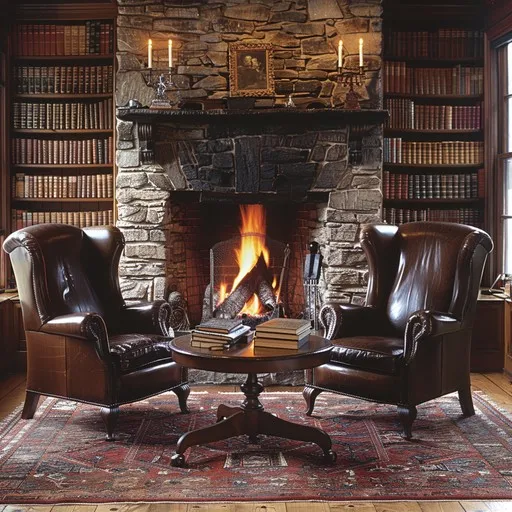
If your room has a fireplace—and in the oldest inns, most do—you're looking at what was once the heart of not just the room but the entire building. Before central heating, before electric lights, before any of the conveniences we take for granted, this was where life happened.
Run your fingers along the hearthstones. Those smooth depressions aren't wear patterns—they're the marks left by countless fires, each one representing a night when someone, much like you, sought warmth and shelter in this exact spot. The blackening on the back wall isn't dirt that's been missed by the cleaning staff—it's centuries of smoke, as much a part of the room's character as the wallpaper.
The Mysteries Behind the Walls
Many Withland inns were built with secrets. Not James Bond secrets—practical ones. The narrow staircase tucked behind what looks like a cupboard door? That's a servants' stair, designed to let staff move through the building without disturbing the guests. The odd little alcove that seems too small to be useful? Probably a bread oven, built into the wall to make use of residual heat from the main fire.
And if you're very lucky—or staying in a very old inn—you might find evidence of priest holes, hidden chambers built during times when harbouring a Catholic priest was a capital offence. These aren't tourist attractions; they're reminders that this building has weathered periods when hospitality itself was a dangerous act.
Reading the Renovations
Every historic inn room is a palimpsest—a manuscript where new text has been written over old, but traces of the original remain visible to those who know how to look. That section of wall where the plaster seems slightly different? Probably a window that was bricked up during the window tax years of the 18th century. The oddly positioned electrical socket? Fitted when electricity first arrived, following the path of least resistance through walls never designed for cables.
Even the modern conveniences tell stories. The en-suite bathroom squeezed into what was clearly never intended as a bathroom reveals how innkeepers have adapted centuries-old buildings to meet contemporary expectations while preserving their essential character.
The Furniture of Memory
That wardrobe that seems too big for the room probably is—but it might well have been built in place, assembled by Victorian craftsmen who knew it would never leave. The writing desk positioned to catch light from the window isn't just convenient furniture placement—it's evidence of an era when natural light was precious and correspondence was an art form.
Look for the details that reveal use: the depression in the floorboards where generations of guests have stood to dress, the scratches on the window sill left by travellers who carved their initials while waiting for the rain to stop, the smooth patches on door handles worn by countless hands.
The Guest Book of Ghosts
Not literal ghosts—though some would claim otherwise—but the accumulated presence of everyone who has slept in this room before you. The merchant who sheltered here during the coaching age, the Victorian gentleman taking the waters, the commercial traveller with his sample cases, the wartime evacuee, the 1960s tourist discovering the countryside.
Each has left their mark, not in any supernatural sense, but in the simple fact that buildings shaped by centuries of use develop a character that new construction can never replicate. The slight sag in the floorboards, the way the door handle sits naturally in your hand, the positioning of the bed to catch both morning light and evening warmth—these aren't accidents of construction but the accumulated wisdom of generations of innkeepers and guests.
The Art of Observation
None of this requires special knowledge or historical training. It just needs attention. When you're settling in for the night, take five minutes to really examine your surroundings. Notice which way the floorboards run (usually the most economical direction for the original builders). Look at how the ceiling meets the walls (perfectly straight lines are a modern luxury). Check whether the windows are original (if you can see your reflection in multiple layers, you're looking through centuries-old glass).
Sleeping with History
By the time you turn off the light, you'll understand something fundamental: you're not just staying in a room—you're participating in a story that began long before you arrived and will continue long after you leave. The bed may be new, the heating reliable, and the WiFi functional, but the space itself carries the accumulated weight of centuries of hospitality.
Sleep well. You're resting in one of Britain's most authentic museums, one where the exhibits surround you and the history isn't behind glass but woven into the very walls that shelter you. In the morning, you'll wake not just refreshed, but connected to a tradition of travel and hospitality that stretches back through centuries of British life.
And that, no amount of modern luxury can replicate.