The Pint That Tells a Story: How Withland's Inn Cellars Are Championing Local Ale
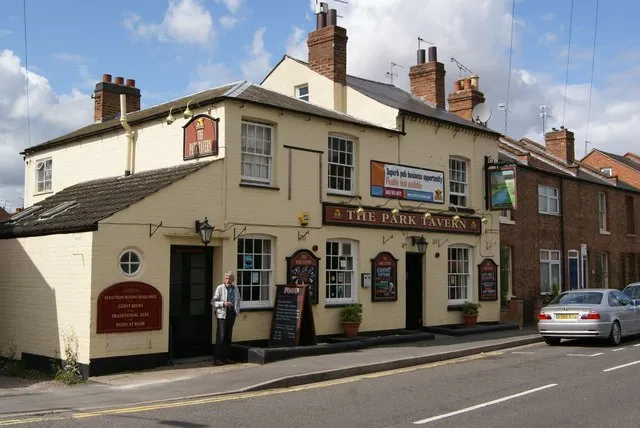
Photo: Colin Craig, CC BY-SA 2.0, via Wikimedia Commons
The Pint That Tells a Story: How Withland's Inn Cellars Are Championing Local Ale
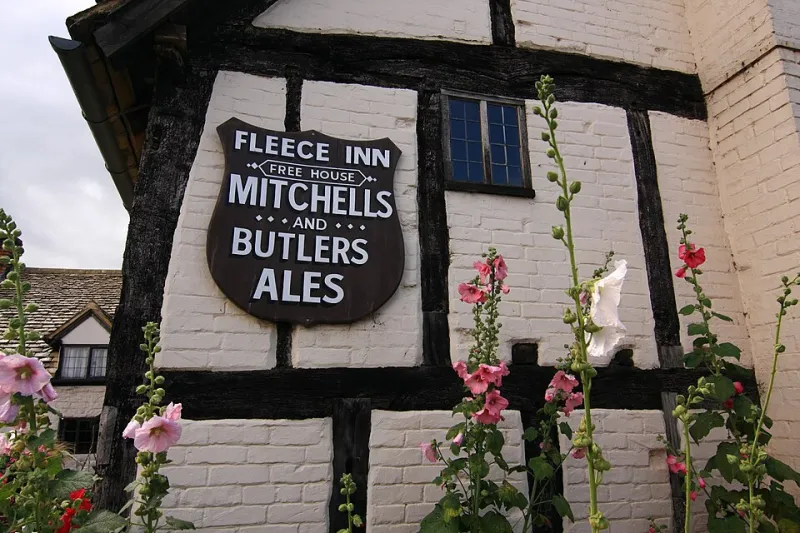
Pull up a stool at the bar of any of Withland's better traditional inns and take a proper look at what's on the handpumps before you order. The names won't be familiar from supermarket shelves or national advertising campaigns. They'll be smaller, stranger, more specific — named after local hills, forgotten trades, landmarks that only make sense if you know the area. And that, as any self-respecting landlord will tell you, is entirely the point.
A Quiet Revolution Behind the Bar
For a couple of decades, the British pub and inn trade drifted in an uncomfortable direction. National brands, negotiated contracts, and the economics of bulk purchasing pushed genuinely local ales off the pumps in favour of reliable, recognisable, and — let's be honest — largely interchangeable national bitters. The cellar stopped being a reflection of the landscape outside and became, instead, a reflection of a distributor's catalogue.
Withland's traditional inns, by and large, resisted that drift better than most. And now, with regional and microbrewery culture experiencing a remarkable resurgence across Britain, many of them are doubling down on what they always quietly believed: that the ale on the pump should taste like it belongs here.
It's not a marketing strategy. It's a conviction.
What a Cellar Can Tell You
Spend any time talking to Withland's more passionate landlords and you'll quickly realise that the cellar is where their philosophy becomes most legible. Every decision about what goes on the handpump — which brewery to partner with, which seasonal ales to champion, which small-batch experiments to take a chance on — reflects a set of values about place, community, and what genuine hospitality means.
A cellar stocked exclusively with local and regional ales tells you that this inn isn't just a venue. It's part of an ecosystem. The brewer down the valley knows the landlord by name. The hops might have been grown in the next county. The water that went into the mash tun fell as rain on hills you can see from the car park.
There's a traceability to good regional ale that wine lovers take for granted but beer drinkers are only recently rediscovering. Terroir isn't just for Burgundy. A well-made ale from a small Withland-area brewery carries the character of its ingredients, its water source, its brewer's particular obsessions — and a good landlord can talk you through all of it while pulling your pint.
The Landlord as Curator
This is where Withland's inn culture shows one of its most underappreciated strengths. The landlord — or landlady, increasingly — who truly cares about their cellar isn't just a vendor. They're a curator, making considered selections from a landscape of regional producers that most visitors would never discover independently.
Good cellar management is a genuine skill. Keeping cask ale in proper condition requires consistent temperature, careful handling, correct venting and settling times, and a nose for when a barrel is ready and when it isn't. A badly kept cask can make even an exceptional ale taste flat and uninviting. A well-kept one can make an ordinary brew sing.
The inns that invest in this craft — that take the time to rotate their guest ales thoughtfully, to maintain relationships with multiple local breweries, to retire a cask when it's past its best rather than serving it out of convenience — are doing something that deserves genuine recognition. They're keeping a form of local culture alive that no amount of craft beer branding can replicate.
The Breweries Behind the Pumps
Withland and its surrounding area has seen a genuine flowering of small and micro-scale brewing over the past decade. Some operations are tiny — a converted barn, a couple of fermentation vessels, a brewer who still has a day job. Others have grown into respected regional names with distribution across several counties. What unites them is a commitment to character over consistency in the industrial sense — these aren't beers engineered to offend nobody. They have opinions.
Sessionable amber ales with a biscuity depth that rewards slow drinking. Dark milds that have no business being as complex as they are. Occasional hoppy pale ales that feel genuinely of this landscape rather than imported from a West Coast American playbook. And seasonals — the beers that only exist for six weeks, that use the malted barley from a specific harvest or the hedgerow fruit from a particular autumn — that give regular visitors a reason to keep coming back.
 Photo: West Coast, via seoimgak.mmtcdn.com
Withland's best inn landlords act as the crucial link between these producers and the travelling public. Without a sympathetic bar to champion them, many of these small breweries would struggle to find an audience beyond their immediate locality.
Why It Matters to the Traveller
Here's a thought worth sitting with over that first pint: the regional ale you're drinking at your Withland inn is, in a very real sense, a more authentically local experience than most of what tourism typically offers.
The scenery is beautiful everywhere. The walking routes are well-trodden. The heritage sites are documented, photographed, and largely the same whether you visit on a Tuesday in February or a Saturday in August. But the specific ale on the pump at your specific inn, brewed by a specific person a few miles away from ingredients grown in this specific landscape — that's genuinely singular. That's a thing you cannot get anywhere else.
And unlike a guidebook sight, it changes. The seasonal rotation means that the inn you visited last spring will have something different on the pump this autumn. The guest ale that surprised you last time might have been replaced by something even better. There's a living quality to a well-curated cellar that static attractions simply can't match.
How to Make the Most of It
A few habits that'll transform your relationship with the inn bar:
Ask before you order. A good landlord will be genuinely pleased to talk you through what's on. Ask what's local, what's seasonal, what they're particularly proud of this week. You'll rarely get a dull answer.
Start with a half. If you're unfamiliar with a brewery or a style, a half gives you the chance to assess before committing. No shame in it — it's how you explore.
Note the brewery name. If something genuinely delights you, remember who made it. You might find their beers elsewhere on your travels, or you might seek them out directly. Either way, you're now part of the regional ale ecosystem.
Don't default to the familiar. If you can get a particular national brand anywhere, there's very little point ordering it here. Be brave. The whole point of a Withland inn cellar is that it offers you something you couldn't find at home.
The Bigger Picture
Britain's regional brewing culture is one of the most varied and historically rich in the world, and it came perilously close to being flattened into homogeneity. The fact that it didn't — that you can still walk into a Withland inn and find something genuinely local, genuinely made with care, genuinely connected to the landscape around it — is in no small part down to landlords who refused to take the easier path.
Raise a glass to them. Preferably one of their own choosing.