The Weight of Welcome: Why Withland's Traditional Keys Unlock More Than Just Rooms
The Ceremony of Arrival
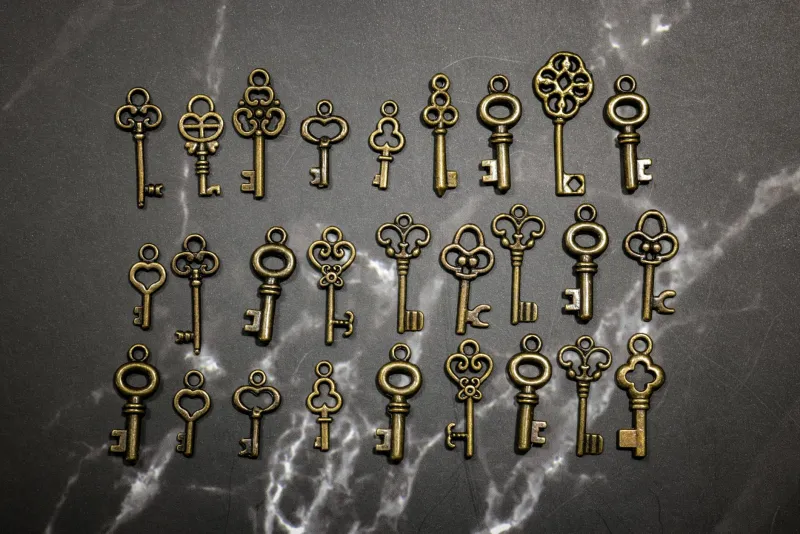
There's a moment that happens at The King's Head when landlord Michael Brennan reaches beneath the bar and selects your key from a board of brass and iron that could grace a Victorian museum. The weight surprises you first — these aren't the lightweight copies most of us know from our own front doors, but substantial pieces of metalwork that speak of serious locks and serious trust. Then comes the warmth where his fingers touched the metal, and finally the satisfying heft as you close your palm around three inches of hand-forged history.
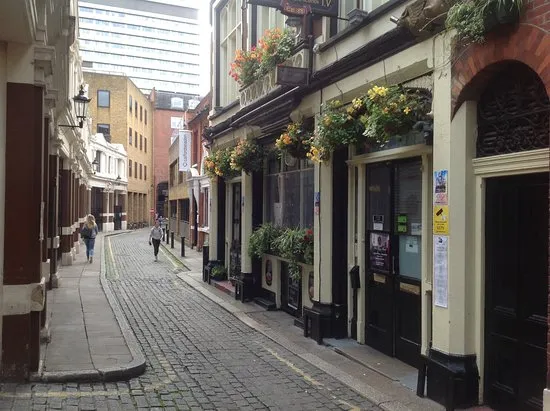 Photo: The King's Head, via media-cdn.tripadvisor.com
"People stop mid-conversation when I hand them a proper key," Michael observes, polishing a particularly ornate example that unlocks the inn's finest suite. "They turn it over, feel the weight, ask about the craftsmanship. Suddenly they're not just checking into a room — they're being entrusted with something valuable."
This small ritual, repeated countless times daily across half a dozen of Withland's most characterful establishments, represents something far more significant than mere nostalgia. In an age where hotel access is increasingly mediated by plastic cards that expire, smartphone apps that glitch, and PIN codes that guests forget, the physical key has become a radical statement about trust, belonging, and the true nature of hospitality.
The Psychology of Possession
Dr. Emma Radcliffe, who studies the psychology of place at Durham University, argues that the physical key creates a fundamentally different relationship between guest and accommodation. "When you're given a plastic card, you're essentially being granted temporary access," she explains. "When someone hands you a heavy key, you're being given temporary ownership. The psychological difference is profound."
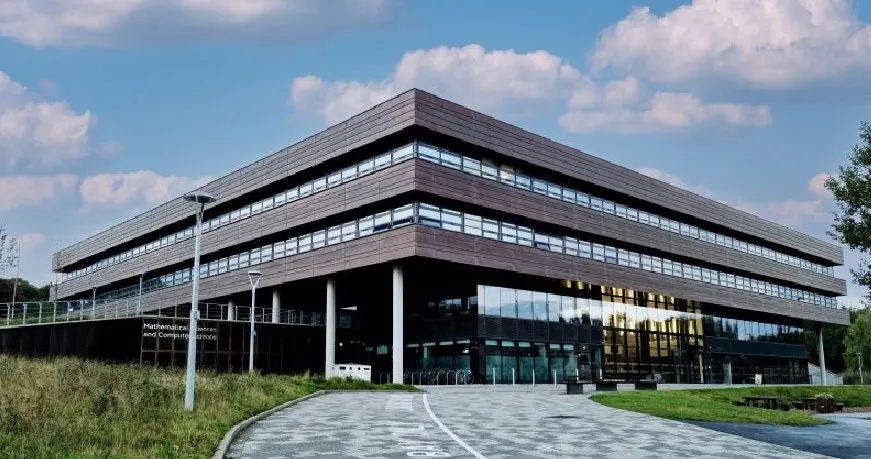 Photo: Durham University, via specifierreview.com
This distinction becomes clear in the behaviour it encourages. Guests at The Griffin Inn, which still uses Victorian-era keys for its historic rooms, report feeling more responsible for their spaces, more connected to the building's history, and more reluctant to leave at checkout time. "The key makes you a temporary resident rather than a transient consumer," notes innkeeper Sarah Hartwell. "People care for the room differently when they feel they truly possess it, even briefly."
The weight matters too. Modern keys are lightweight by design — easier to manufacture, cheaper to replace, less likely to damage pockets or handbags. But traditional inn keys were made heavy deliberately. "A key you can't ignore reminds you constantly that you belong somewhere," explains Tom Whitfield, whose family has been making keys for Withland's inns for three generations. "Every time you reach into your pocket, you feel that weight and remember you have a place to return to."
The Trust Transaction
Perhaps most significantly, the exchange of a physical key represents an act of mutual trust that modern access systems have eliminated. Unlike a plastic card that can be deactivated remotely, a traditional key grants genuine autonomy. The innkeeper must trust that you'll return it; you must trust that the inn will honour the temporary ownership they've granted.
"When I hand someone a key, I'm saying 'I trust you with my building,'" explains Margaret Foster, whose family has run The Swan for four generations. "When they accept it, they're saying 'I'll honour that trust.' It's a contract that goes beyond payment and service — it's personal."
 Photo: The Swan, via i.pinimg.com
This trust extends beyond the individual transaction. Physical keys can't be easily duplicated without the owner's knowledge, meaning innkeepers must maintain genuine relationships with local craftspeople. When a key is lost, it requires a conversation, an explanation, sometimes a story. "Digital systems hide problems," notes security expert James Morrison. "Physical keys make everything visible, accountable, human."
The Ritual of Return
The evening ritual of returning the key creates its own form of connection. Unlike sliding a card into a slot or tapping a phone against a reader, placing a heavy key back on its hook requires interaction with staff, often leading to conversations about the day's experiences, recommendations for tomorrow, or simply acknowledgment of shared humanity.
"The key return is when real relationships form," observes Michael Brennan. "Guests tell us about their walks, their discoveries, their plans. They become people with stories rather than room numbers with credit cards."
This human connection has practical benefits too. Staff at traditional inns report knowing their guests better, anticipating their needs more accurately, and receiving more detailed feedback about their experience. "When someone hands you back a key, they usually tell you about their stay," notes Sarah Hartwell. "That immediate, personal feedback is invaluable."
The Resistance Movement
Maintaining traditional key systems requires deliberate resistance to industry pressure. Modern hotel management systems are designed around card access, insurance companies prefer digital tracking, and efficiency experts argue for contactless check-in. Yet a growing number of Withland's finest establishments are choosing authenticity over automation.
"We've had consultants tell us we're mad," admits Margaret Foster. "Key cutting is expensive, guests occasionally lose them, and the system requires staff to be physically present for every check-in. But that's exactly why it works. The inconvenience is the point — it forces real human interaction."
Some inns have found clever compromises. The Dragon's Head uses traditional keys for its historic rooms while offering card access for more modern accommodation, allowing guests to choose their preferred level of authenticity. The Shepherd's Rest combines both systems, with the heavy key serving as a room identifier while a hidden electronic system provides security backup.
The Weight of Belonging
For many guests, the traditional key has become a symbol of escape from an increasingly digitalised world. "When I'm handed a proper key, I know I'm somewhere that values craft, tradition, and human connection," explains regular guest Patricia Hammond, who specifically seeks out inns that maintain traditional systems. "It signals that this place cares more about creating genuine experiences than processing maximum throughput."
The symbolism extends beyond individual stays. In an age where so much of travel has become standardised — from global hotel chains to identical room configurations — the weight of a traditional key promises something different: a place where local character hasn't been systematised away, where efficiency hasn't eliminated personality, where the act of hospitality retains its ancient dignity.
Forging the Future
As Withland's traditional inns continue to attract guests seeking authentic experiences, the survival of the physical key seems assured. Tom Whitfield's workshop now takes orders from establishments across Britain, all wanting to recreate the sense of arrival that only a proper key can provide.
"Each key I make will outlast the inn that commissioned it," he reflects, filing the teeth on a new creation. "Long after the current owners retire, after the building changes hands multiple times, this piece of metal will still be turning in the same lock, welcoming strangers and making them feel they belong."
For guests willing to embrace the small inconveniences of traditional hospitality, the reward is immeasurable: the weight in your palm that says you're not just visiting somewhere, you're home.