Written in Withland: The Innkeepers Keeping Britain's Postcard Tradition Alive
The Weight of Words on Paper
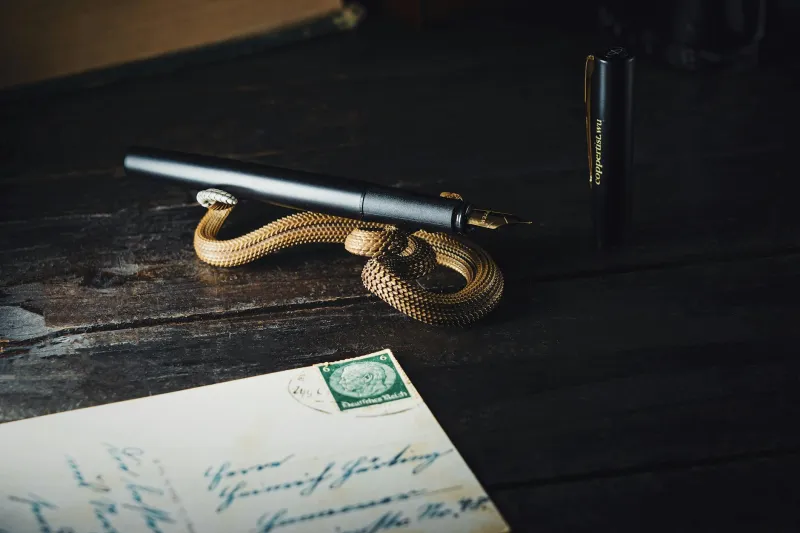
In the reception desk drawer at The Golden Fleece, beneath the usual clutter of pens and business cards, lies something increasingly revolutionary: a carefully organised collection of postage stamps, arranged by denomination and season. Proprietor Helen Cartwright refreshes the selection monthly, ensuring guests always have access to the exact stamps needed for their correspondence — whether it's a quick note to the grandchildren or a lengthy missive to distant friends.
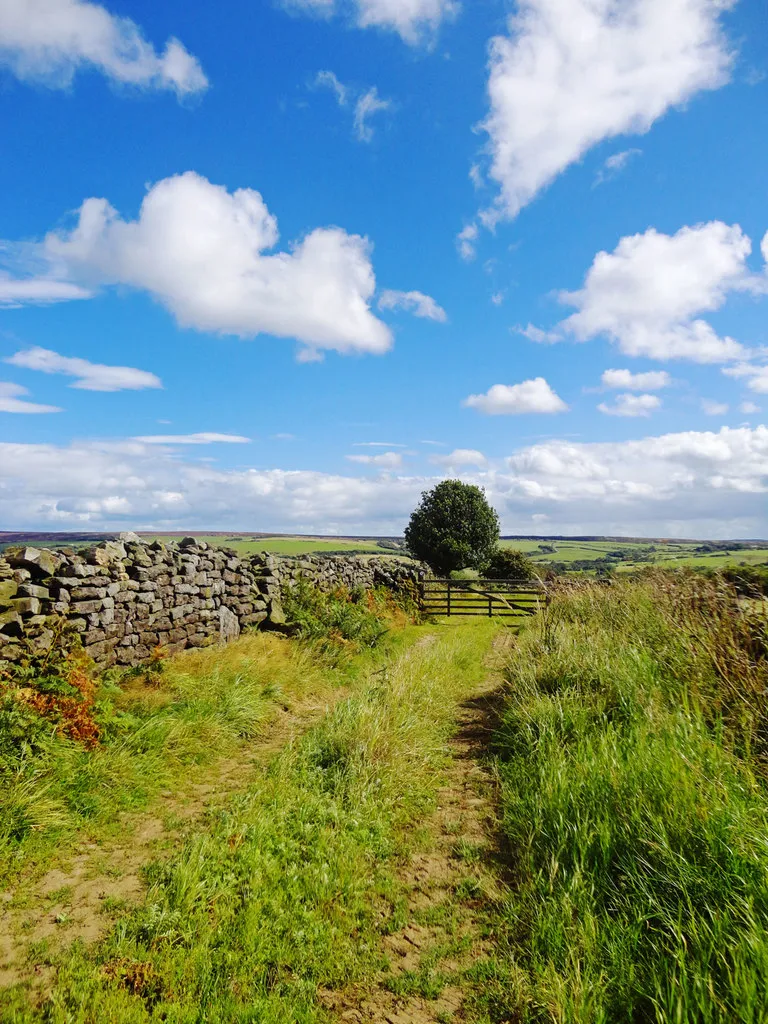
 Photo: The Golden Fleece, via pulpcovers.com
"Digital messages disappear into the ether," Cartwright observes, watching a guest carefully select a stamp depicting local wildflowers. "But a postcard lives on mantlepieces, gets tucked into books, becomes part of someone's physical world. That permanence changes everything about how we choose our words."
This philosophy drives a quiet movement across Withland's most thoughtful accommodations, where innkeepers have recognised that facilitating genuine correspondence isn't just customer service — it's cultural preservation.
Curators of Connection
At The Blacksmith's Rest, landlord Thomas Henley has elevated postcard provision to an art form. His rotating display features not just the expected scenic views of Withland's countryside, but also vintage reproductions of historical local photographs, botanical illustrations of native plants, and even commissioned artwork from regional artists.
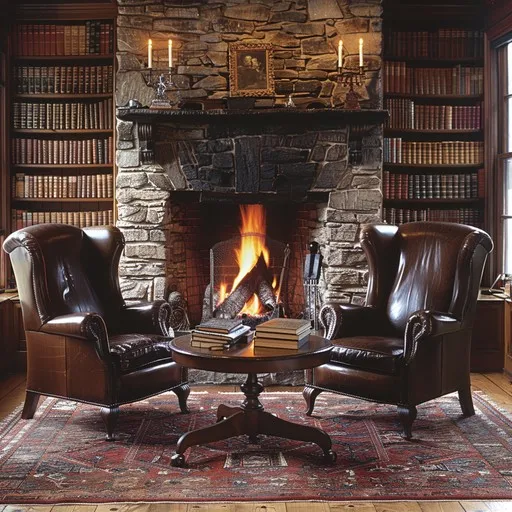
 Photo: The Blacksmith's Rest, via 64.media.tumblr.com
"Anyone can buy a generic postcard from a motorway service station," Henley explains, straightening a display of hand-painted watercolours depicting the inn itself through the seasons. "But these cards tell specific stories about this place, this moment, this experience. When someone receives one, they're not just getting a message — they're receiving a small piece of Withland itself."
The selection process is surprisingly rigorous. Henley personally approves every design, rejecting anything that feels mass-produced or geographically vague. Each postcard must capture something authentic about the local experience, whether it's the morning mist rising from nearby meadows or the particular shade of stone used in village construction.
The Personal Touch
But perhaps the most touching aspect of Withland's postcard renaissance is the level of personal involvement from innkeepers themselves. At The Shepherd's Rest, proprietor Elizabeth Moorcock doesn't just stock stamps and cards — she personally walks guests' correspondence to the village post office each morning, ensuring it receives the earliest possible dispatch.
"There's something rather lovely about being part of that chain of communication," Moorcock reflects. "I see the careful handwriting, the thoughtful card selection, the way people linger over their words. Then I carry those messages into the village, knowing they'll soon be travelling across the country, carrying a bit of our hospitality with them."
This personal involvement extends to practical considerations too. Moorcock maintains detailed knowledge of postal services, advising guests on optimal posting times for different destinations, suggesting appropriate stamps for international correspondence, even offering her own fountain pen for those who've forgotten to pack proper writing implements.
The Psychology of Permanent Words
What fascinates these innkeepers most is how the physical act of postcard writing changes guest behaviour. Unlike the casual spontaneity of digital messaging, postcard composition demands consideration. Limited space requires editing. The knowledge that words will be physically handled, transported, and preserved creates a different relationship with language.
"I watch people write postcards in our lounge," observes David Ashworth of The Miller's Arms, "and it's fascinating how much more thoughtful they become. They cross out words, start over, really consider what they want to say. It's like watching someone remember how to communicate properly."
This psychological shift often extends beyond the writing itself. Guests frequently report that composing postcards helps them process their travel experiences more thoroughly, crystallising memories and observations that might otherwise remain vague impressions.
Beyond Nostalgia: The Modern Case for Postcards
While it would be easy to dismiss this postcard revival as mere nostalgia, these innkeepers argue persuasively that handwritten correspondence serves distinctly modern needs. In an era of digital overwhelm, the physical postcard offers something increasingly rare: undivided attention.
"When someone receives a postcard, they hold it, study it, read it completely," explains Jennifer Blackwood of The Coach House Inn. "There are no notifications competing for attention, no links to click, no multimedia distractions. For those few moments, the sender has the recipient's complete focus."
This quality of attention creates deeper emotional connections than digital alternatives. Recipients report keeping postcards for years, rediscovering them in books or drawers, experiencing fresh waves of connection with both sender and place.
The Ripple Effect
The impact of Withland's postcard dedication extends well beyond individual correspondence. Many innkeepers report that facilitating guest letter-writing has strengthened their own relationships with the local community. Regular trips to the post office create opportunities for conversation with villagers. Postcard displays featuring local artists support regional creative economies. Even the selection process involves collaboration with local historians and photographers.
"It's become a virtuous circle," notes Cartwright. "Supporting our guests' correspondence needs has deepened our connections throughout the community. We're not just preserving a tradition — we're actively strengthening the social fabric that makes places like Withland special."
Practical Magic
For guests, the experience of sending postcards from these thoughtfully equipped inns transcends mere communication. It becomes part of the holiday ritual itself — selecting the perfect image, crafting the ideal message, participating in a tradition that connects them to generations of previous travellers.
Many inns now report that guests specifically request writing materials upon arrival, planning postcard composition as deliberately as they plan walking routes or dinner reservations. The act of writing becomes as much a part of the Withland experience as visiting local attractions or sampling regional cuisine.
Letters to the Future
As these dedicated innkeepers continue expanding their postal services, they're not simply facilitating communication — they're creating archives of human connection. Those carefully chosen postcards, thoughtfully written messages, and personally delivered correspondence become part of Britain's ongoing story, one handwritten word at a time.
In Withland's most caring inns, every stamp drawer tells a story of hospitality that extends far beyond accommodation, reaching into the fundamental human need for meaningful connection across time and distance.