The Leisurely Departure: Why Smart Travellers Savour Every Last Withland Moment
The Tyranny of the Ten O'Clock Bell
Somewhere along the way, Britain developed an unhealthy relationship with the checkout clock. The moment that key card hits the reception desk at 9:59am sharp, we're already mentally halfway to the car park, minds racing ahead to motorway services and the inevitable Monday morning emails. But here's the thing about Withland's finest inns: they understand that the best stories often unfold in those final, unhurried hours.
Whilst the nation dutifully packs their weekend bags and queues for the breakfast buffet at dawn, a select few have discovered the art of the lingering departure. These are the guests who've cracked the code of truly restorative travel – they know that rushing home on Sunday morning is like leaving the cinema during the credits.
The Magic Hour Phenomenon
Ask any seasoned innkeeper in Withland about their favourite time of day, and they'll likely point to that golden window between 10am and noon on checkout day. It's when the hurried masses have departed, leaving behind a peculiar tranquillity that transforms the entire establishment. The dining room settles into a different rhythm, conversations become more contemplative, and suddenly there's space to breathe.
This is when the inn reveals its true character. Without the morning rush, your host has time for proper conversation. The garden seems to expand in the absence of weekend crowds. Even the resident cat emerges from hiding, apparently aware that the coast is clear for some serious attention-seeking.
Negotiating Your Extended Stay
Contrary to popular belief, most Withland innkeepers are surprisingly accommodating when it comes to late departures. The key lies in the asking – and the timing. A casual enquiry over Friday night dinner about Sunday's possibilities often yields better results than a desperate plea at the reception desk.
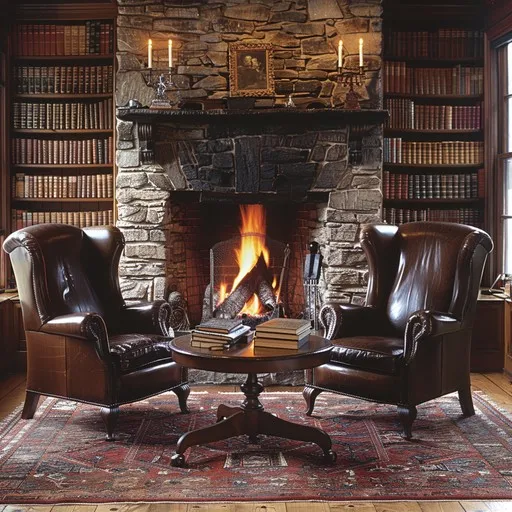
Many establishments offer what locals call the 'Sunday Session' – an unofficial extension that might include a late breakfast, garden access, or simply permission to occupy that favourite armchair by the fire until the afternoon shadows grow long. Some charge a modest fee; others consider it part of their service to guests who clearly 'get it'.
The Art of the Final Wander
There's something profoundly satisfying about exploring your temporary home when you're no longer sharing it with other guests. That morning walk through the inn's grounds becomes a private tour of sorts. You notice details missed during the weekend bustle – the way morning light catches the windows of the Tudor wing, the intricate stonework around the kitchen garden, the view from the bench nobody seemed to discover.
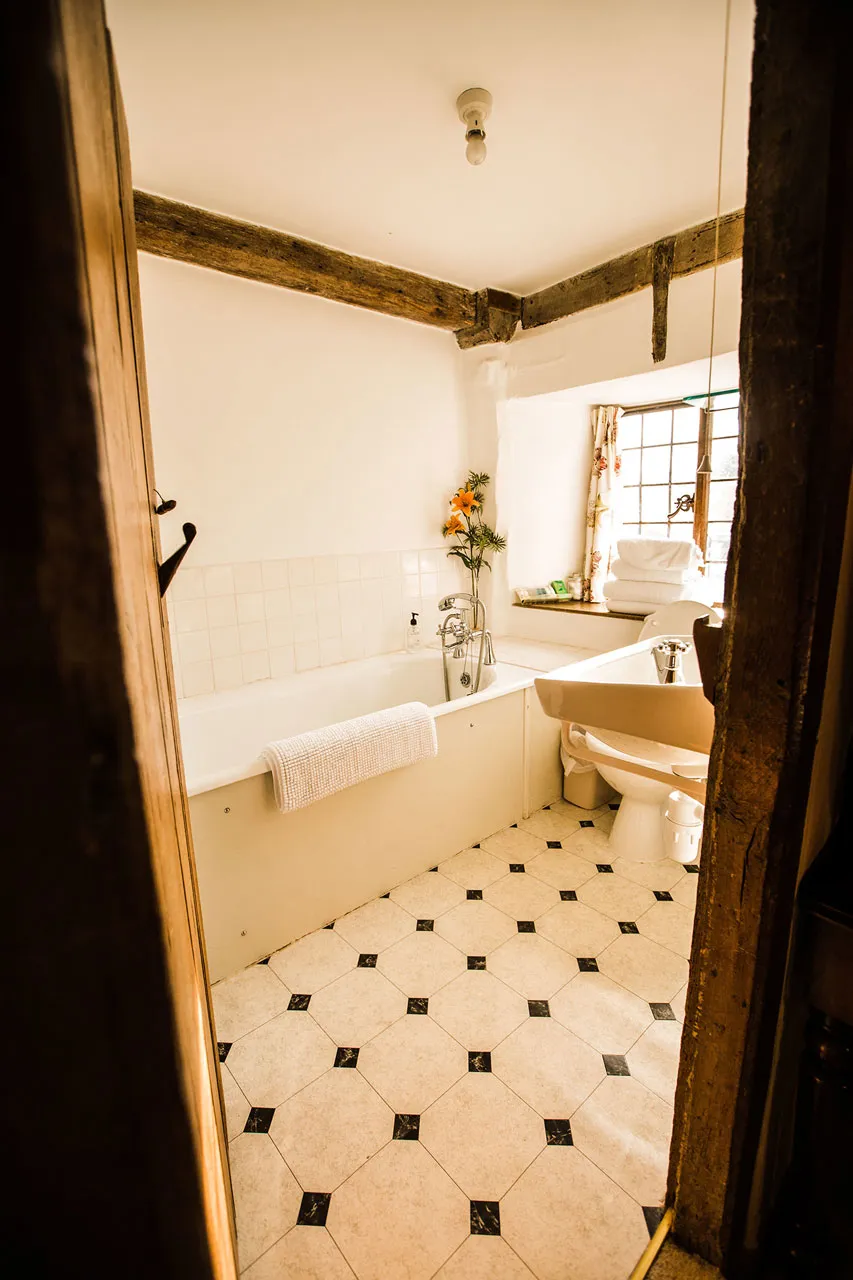 Photo: Tudor wing, via wickhammanor.co.uk
This is when you might encounter the innkeeper tending to tasks impossible during busier moments – perhaps deadheading roses, checking on the herb garden, or simply enjoying a quiet cup of tea in their own establishment. These informal encounters often provide the most authentic insights into life behind the scenes.
The Second Pot Philosophy
There's a particular luxury in ordering that second pot of tea when you're in no hurry to be anywhere else. It's a small act of rebellion against the tyranny of efficiency, a declaration that some experiences deserve to be savoured rather than consumed. The best Withland inns understand this instinctively, offering newspapers that haven't been fought over, Sunday supplements still crisp and unread.
This extended breakfast becomes less about sustenance and more about ceremony. It's when you might actually read that local guidebook rather than simply photographing its recommendations. When conversation with fellow lingerers moves beyond weather and weekend plans to more substantial territory.
The Economics of Staying Put
Skeptics might argue that extended stays cost money, but the mathematics of leisure work differently than we imagine. That extra few hours often saves the premium parking charges at Sunday afternoon destinations, avoids the weekend traffic that turns a pleasant drive into a test of endurance, and frequently results in discovering local Sunday lunches that prove far more satisfying than whatever was originally planned.
Moreover, there's an intangible return on investment in taking time to properly decompress. The Monday morning blues hit less severely when Sunday wasn't spent in transit, and the weekend's benefits extend further into the working week.
Reading the Room
Of course, the art of the lingering departure requires some social awareness. It works best at establishments where the rhythm naturally accommodates such behaviour – typically the smaller, independently run inns where flexibility is part of the charm. Chain hotels rarely have the autonomy or inclination to bend their systems, but Withland's family-run establishments often welcome guests who appreciate the finer points of hospitality.
The key is recognising when your presence enhances rather than hinders the inn's Sunday rhythm. If there's a wedding party arriving or major maintenance scheduled, gracious acceptance of the standard checkout time demonstrates the kind of understanding that marks experienced travellers.
The Ceremony of Departure
When departure finally comes, it should feel ceremonial rather than rushed. The best inn experiences end with a proper goodbye – not just to the building, but to the temporary life you've inhabited within its walls. This might mean a final photograph of the view from your window, a moment spent in the garden where you read Saturday's papers, or simply standing in the doorway for a beat longer than strictly necessary.
These rituals of departure transform checkout from administrative necessity into meaningful closure. They acknowledge that something significant has occurred during your stay – not just rest and recreation, but a temporary adoption into a different way of being.
The Lingerer's Legacy
The guests who master the art of the unhurried departure often find themselves welcomed back with particular warmth. Innkeepers remember the visitors who understood their establishment's rhythm, who appreciated the subtleties of service, who demonstrated that hospitality is a two-way conversation rather than a simple transaction.
In a world increasingly obsessed with efficiency and optimization, the lingering departure represents something quietly radical – the insistence that some experiences deserve to unfold at their own pace, that the best parts of travel often happen in the margins, and that true luxury lies not in rushing toward the next thing, but in fully inhabiting the present moment.