The Things We Leave Behind: How Withland's Lost Property Reveals the True Heart of Inn Culture
The Accidental Archive
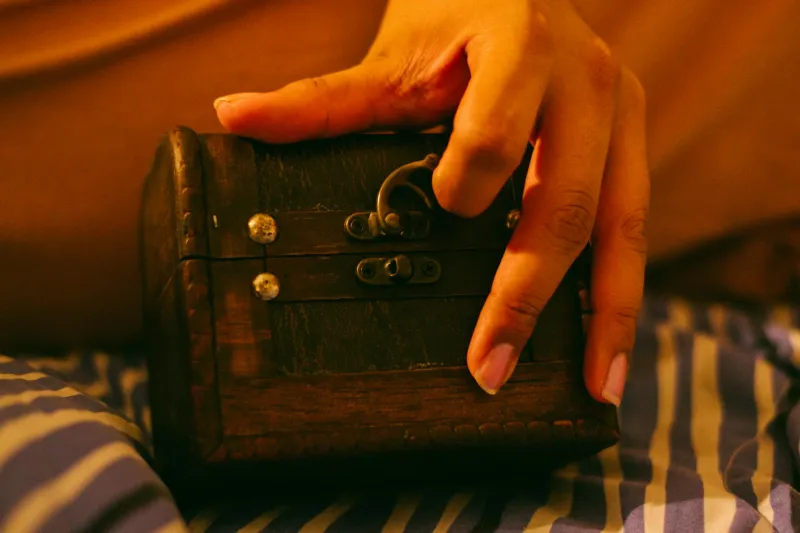
In the back office of the Red Lion, tucked behind boxes of wine and spare linen, sits a cardboard box that would make an anthropologist weep with joy. Inside: seventeen pairs of reading glasses, a child's stuffed elephant named Mr Trumpets, three first-edition novels with intimate inscriptions, and a love letter that begins "My darling, I never expected to find you again in a place like this..."
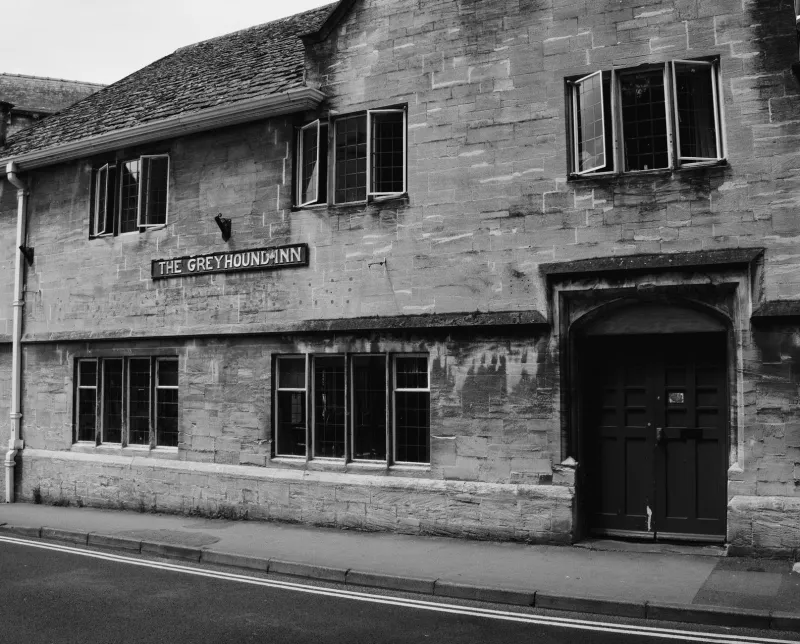
 Photo: Red Lion, via img.freepik.com
Every inn in Withland has such a collection, and every innkeeper has stories about the objects that guests leave behind — sometimes accidentally, sometimes not.
"The funny thing is," explains Sarah Matthews, who runs the Wheatsheaf with her husband Tom, "people always say they'll come back for their things. But when they do, they stay another night. Always."
This isn't coincidence. It's the unspoken truth about inn culture that no guidebook mentions: sometimes we leave things behind because our hearts aren't quite ready to leave.
The Archaeology of Attachment
Walk through the lost property room at the Crown & Anchor, and you're essentially touring the emotional landscape of British travel. There's the businessman's cufflinks — expensive ones — left after a weekend that clearly meant more than just a break from London. The teenager's diary, abandoned after what was probably her first romantic getaway. A grandfather's walking stick, forgotten by children who brought him here for what turned out to be his final holiday.
"We had a woman drive up from Brighton last month," recalls James Fletcher from the King's Head. "Said she'd left her scarf. Lovely cashmere thing, but when I brought it out, she started crying. Turned out her late husband had bought it for her during their honeymoon here, thirty years ago. She'd come back to remember him."
The scarf had been sitting in their lost property for six months.
These forgotten objects serve as physical anchors to experiences that resist being filed away as mere memories. Unlike the sterile efficiency of chain hotels, where lost property is processed and dispatched with corporate precision, Withland's inns become inadvertent keepers of guests' stories.
The Art of Strategic Forgetting
Not all abandonment is accidental. Experienced inn-goers have mastered the subtle art of strategic forgetting — leaving behind items that provide a socially acceptable excuse for return.
"Phone chargers are the classics," laughs Margaret Thornton from the White Hart. "Though I suspect half of them are deliberately left. Who doesn't have three phone chargers these days?"
More telling are the personal items: the book left bookmarked at chapter twelve, the favourite jumper 'accidentally' left in the wardrobe, the expensive pen that somehow finds its way behind the bedside table. These objects become ambassadors of intention, holding a place for their owners' eventual return.
The psychology is transparent yet touching. In our efficient modern world, we've lost the art of lingering, of allowing experiences to unfold naturally. Leaving something behind creates permission to return, to extend a holiday that feels too brief, to maintain a connection that doesn't fit neatly into our scheduled lives.
The Keepers of Memory
Withland's innkeepers have evolved into something between hoteliers and archivists. They understand that their role extends beyond providing accommodation; they're custodians of moments that matter.
"We keep everything for at least two years," explains David Wilson from the George & Dragon. "Not because we have to, but because these things matter to people. We've had guests return five years later for items they'd forgotten they'd left."
Some inns have developed their own systems. The Black Swan keeps a photograph album of unclaimed items, posting updates on their website like a gentle, ongoing invitation. The Rose & Crown has turned their lost property into part of their charm, with a glass cabinet in the bar displaying the more intriguing abandoned objects alongside their stories.
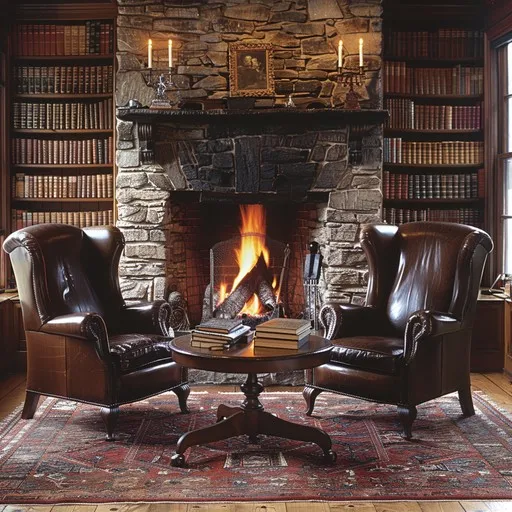
 Photo: Black Swan, via cdn.ecommercedns.uk
The Return Journey
The moment of return — guest reunited with forgotten object — has become a ritual unto itself. It's rarely just a quick collection. The retrieved item becomes an excuse for a proper catch-up, often over tea or a pint, sometimes extending into an impromptu overnight stay.
"Last spring, a couple came back for a pair of hiking boots," remembers Lucy Pemberton from the Lamb Inn. "Ended up staying three days. Said they'd forgotten how much they loved it here. The boots were just the excuse they needed to give themselves permission to come back."
This pattern repeats across Withland's inns with remarkable consistency. The forgotten item becomes a catalyst for reconnection — not just with the object, but with the experience, the place, and often with parts of themselves that only emerge when they're away from their everyday lives.
Beyond Objects
Perhaps the most profound items in these collections aren't physical at all. Innkeepers speak of guests who leave behind pieces of their stories — confessions over breakfast, revelations by the fire, moments of vulnerability that transform strangers into confidants.
"A gentleman stayed with us last autumn," recalls Patricia Morris from the Cross Keys. "Barely spoke the first night, but by his third evening, he was telling us about his wife, how this was the first holiday he'd taken since she passed. He left his reading glasses, but I think what he really left was some of his grief."
When he returned for the glasses two months later, he was different — lighter somehow, ready to engage with the world again.
The Unspoken Contract
This dance of departure and return has created an unspoken contract between Withland's inns and their guests. The inns become safe houses for memories, emotions, and experiences that are too precious to abandon completely. The forgotten objects serve as physical manifestations of emotional connections that transcend the typical customer-service provider relationship.
In our increasingly digital world, where experiences are captured in pixels and memories stored in clouds, there's something profoundly human about leaving a physical piece of yourself in a place that has touched you. It's an analogue form of bookmarking, a way of saying: this matters, this place matters, I'll be back.
The next time you're packing to leave a Withland inn, pay attention to what you're putting in your bag. And perhaps more importantly, notice what you're leaving behind. Sometimes the most valuable souvenirs are the ones we don't take home.