Dear Future Self: Why Withland's Ink-Stained Corners Are Reviving Britain's Lost Art of Considered Words
The Last Honest Communication
In the snug at The Wheatsheaf, tucked between a grandfather clock and a window overlooking the village green, sits a small writing desk that's become something of a pilgrimage site. Not for its age—though the oak is beautifully weathered—or its provenance, but for what it represents: the last bastion of honest communication in an age of performative posting.
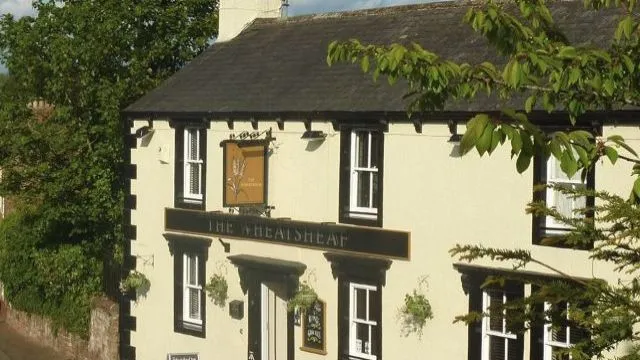 Photo: The Wheatsheaf, via www.wheatsheafwetheral.co.uk
This is where guests come to write postcards, and in doing so, rediscover something we'd almost forgotten: the particular pleasure of choosing words carefully, knowing they can't be edited, deleted, or instantly regretted.
The Ritual of Restraint
Watch someone settle at a Withland inn's writing desk, and you'll witness a ritual that's become almost countercultural. First comes the selection of the card itself—not from a spinning rack of generic views, but from carefully curated collections that capture something essential about the place. The Wheatsheaf's cards feature watercolours by local artist Margaret Thornfield: the morning mist over Withland Common, the church bells at evensong, the inn itself on a snowy Christmas Eve.
 Photo: Withland Common, via mapofprojects.comon.earth
 Photo: Margaret Thornfield, via m.media-amazon.com
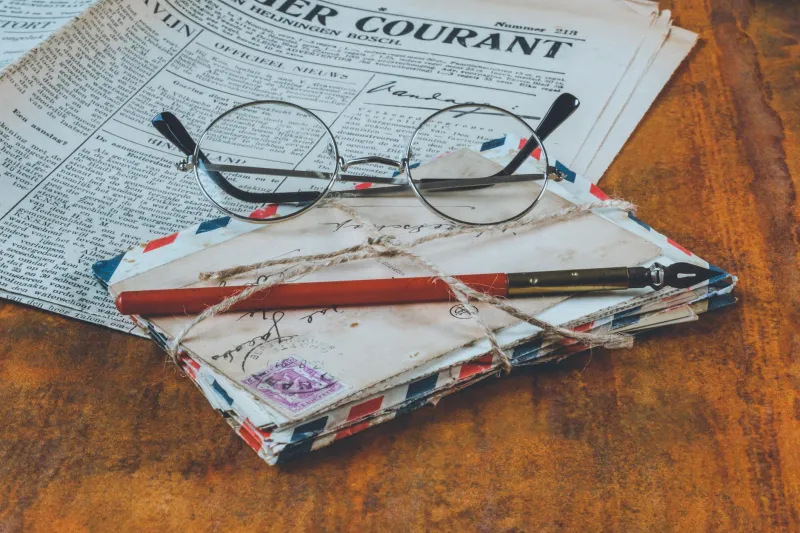
Then comes the choice of pen. Not a biro grabbed from a hotel reception desk, but proper fountain pens provided by inns that understand the ceremony of the thing. The weight of the instrument matters, the flow of ink on good paper, the slight resistance that makes you consider each word before committing it to permanence.
But it's the constraint that transforms the experience. Faced with perhaps six lines of space, writers find themselves distilling experiences to their essence. No rambling emails, no stream-of-consciousness texts. Just the kernel of what matters most about this moment, this place, this pause in the hurried business of modern life.
The Democracy of the Desk
What's remarkable about Withland's writing corners is their democratic nature. At The Griffin's Head, the leather-topped desk in the morning room serves millionaire hedge fund managers and retired postal workers with equal ceremony. The act of writing a postcard—really writing one, with care and consideration—seems to strip away pretensions and reduce everyone to the same fundamental human desire: to share something beautiful with someone they care about.
Landlord James Morrison has observed this phenomenon for years. "You'll see the most sophisticated guests struggle with what to write," he notes. "They're used to firing off emails and tweets without thinking. But when they know the postcard will arrive after they're home, when they can't take it back or edit it—suddenly every word matters."
This democracy extends to the messages themselves. CEOs write about the simple pleasure of breakfast in bed. Teenagers tell grandparents about conversations with strangers. The medium seems to encourage honesty over impression management, substance over style.
The Time-Traveller's Advantage
Perhaps the most magical aspect of inn postcard writing is its relationship with time. Unlike social media posts that demand immediate engagement, postcards operate on a different temporal plane. You write them in one moment of peace and reflection, but they arrive in another—usually just as the holiday glow is fading and normal life reasserts its grip.
Regular postcard writers speak of the particular joy of receiving their own words weeks later, when the experience has begun to blur in memory. The postcard becomes a time capsule, preserving not just what happened but how it felt in the moment. The hastily snapped phone photos might capture the scene, but the postcard captures the emotion.
This delayed gratification feels almost revolutionary in our instant-everything culture. The writer must trust that future recipient—whether a friend, family member, or their future self—will appreciate this gift from the past. It's an act of faith in the value of reflection over reaction.
The Curator's Touch
Withland's most thoughtful inns have elevated postcard writing from tourist obligation to genuine craft. The Swan & Crown maintains a small library of vintage stamps—not valuable ones, but beautiful designs that complement the cards themselves. The Red Lion provides a selection of writing papers for those who prefer letters, along with proper sealing wax for guests who want to embrace the full ceremony.
But perhaps most importantly, these inns have created spaces that inspire contemplation. Writing corners positioned to catch morning light, desks placed where the view encourages rather than distracts, chairs comfortable enough for extended sessions of considered thought.
The cards themselves tell stories beyond their images. Local printers work with inns to create designs unavailable anywhere else—inside jokes for regular guests, seasonal variations, even cards that change with the inn's mood and character. The Lamb & Flag's Christmas cards feature a different local scene each year, creating an informal archive of village life for those who collect them.
The Art of Arrival
What separates a Withland postcard from its seaside souvenir cousins is the context of its creation. These aren't grabbed hastily from a gift shop but selected thoughtfully from curated collections. They're not written quickly at a motorway service station but composed in comfortable surroundings that encourage reflection.
The inns that take postcard writing seriously provide everything needed for the ritual: good paper, proper pens, comfortable seating, and most importantly, an atmosphere that makes slowing down feel natural rather than forced. At The King's Head, guests often spend entire afternoons at the writing desk, crafting not just postcards but proper letters—something that would feel pretentious in most settings but seems perfectly natural in a place dedicated to older, slower rhythms.
The Digital Detox Effect
In researching this piece, I spoke with dozens of guests who'd discovered postcard writing at Withland inns, and their stories follow remarkably similar patterns. Most began reluctantly—postcards seemed quaint, old-fashioned, almost pointless in the age of WhatsApp. But the physical act of writing, the need to choose words carefully, the knowledge that the message couldn't be instantly shared or edited, gradually revealed itself as liberating rather than limiting.
"I found myself writing things I'd never put in a text message," explains Sarah Chen, a London marketing executive who's become a regular at The Griffin's Table. "Not because they were too personal, but because they were too considered. Text messages are for information. Postcards are for reflection."
This distinction matters more than it might initially appear. In our hurried digital communications, we've optimised for speed over depth, convenience over consideration. Postcard writing forces a return to more deliberate communication—and many find the constraint unexpectedly freeing.
The Conversation Continues
What's emerged at Withland's writing-friendly inns is something approaching a movement. Guests share recommendations for the best cards, compare notes on fountain pen techniques, even leave messages for future visitors in the guest books that sit alongside the writing supplies.
Some inns have begun hosting "postcard evenings"—informal gatherings where guests share their writing, discuss their choice of cards, and help each other craft messages. It sounds potentially awkward, but participants describe these sessions as surprisingly moving. There's something about the shared commitment to slowing down, to choosing words carefully, that creates instant community among strangers.
The Return to Substance
In the end, Withland's postcard renaissance isn't really about nostalgia or rejection of modern technology. It's about rediscovering forms of communication that prioritise substance over speed, reflection over reaction. In a world where we can instantly share anything with anyone, there's something powerful about choosing to share only what truly matters, and only after we've taken time to consider why it matters.
The postcards written in Withland's writing corners aren't just souvenirs—they're small acts of rebellion against the tyranny of instant communication. They're proof that some experiences deserve more than a hastily composed tweet or a quickly deleted Instagram story. They deserve the weight of good paper, the flow of fountain pen ink, and the careful consideration of words chosen to last.
As one guest book entry at The White Hart puts it: "In a world of temporary messages, thank you for reminding us that some thoughts deserve permanence." It's a sentiment that would look pretentious as a social media post but feels perfectly honest written in careful handwriting, signed with a real name, and left for future guests to discover.
That, perhaps, is the real magic of Withland's ink-stained corners: they remind us that the most meaningful communications aren't always the fastest ones. Sometimes the best way to share an experience is to slow down enough to understand what made it worth sharing in the first place.