Letters, Legends and Last Orders: How Withland's Coaching Inns Kept Britain Connected
The Original Network
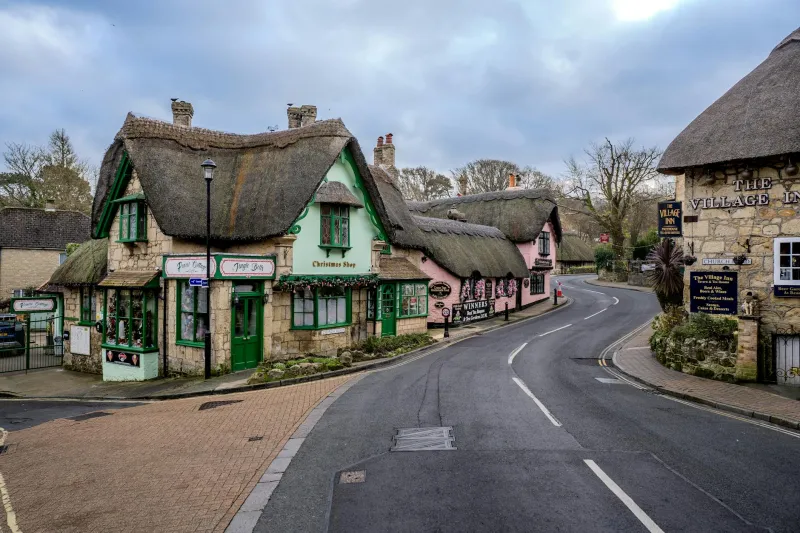
Stand in the cobbled courtyard of The King's Head on Withland's ancient market square, and you're occupying one of Britain's original communication hubs. For three centuries, this inn served as an official staging post on the London-to-Chester route, where royal mail coaches thundered in at precisely scheduled intervals, their leather satchels bulging with letters, newspapers, and government dispatches that would reshape the nation's understanding of itself.
 Photo: The King's Head, via c8.alamy.com
"People think of coaching inns as quaint relics," says historian Dr. Patricia Wellcome, gesturing toward the inn's preserved mounting block. "But they were actually the nerve centres of Georgian and Victorian Britain. Every piece of information that mattered passed through places like this."
The coaching inn system that flourished across Withland from the 1750s onwards represented far more than mere accommodation. These establishments functioned as the original internet—a physical network that connected remote communities to the pulse of national life, where a farmer's daughter in rural Withland could receive a letter from her brother serving in India, or where local magistrates could access the latest parliamentary proceedings from Westminster.
The Rhythm of Arrival
At The Swan, whose Georgian façade still bears the faded outline of the Royal Mail insignia, landlord Michael Cartwright maintains the inn's original coaching schedule, framed behind the bar like a sacred text. The London coach arrived Tuesdays and Fridays at half past eleven in the morning. The Chester service stopped Wednesdays and Saturdays at quarter to three. These weren't mere timetables—they were the heartbeat of community life.
 Photo: The Swan, via images.squarespace-cdn.com
"Imagine the anticipation," Michael explains, pointing to the wide archway that once admitted coaches into the inn's courtyard. "The whole village would know when the mail was due. Shopkeepers would time their errands around it. Lovers would count the days between letters. The inn wasn't just serving travellers—it was serving hope itself."
The coaching inn's role extended far beyond postal delivery. These establishments functioned as unofficial town halls, where travelling magistrates held court, where commercial travellers displayed their wares, and where news from London reached local ears often days before official proclamations. The inn's common room became a crucible where national politics met local concerns, where global events were interpreted through regional wisdom.
Masters of Connection
The innkeepers who managed these communication hubs required skills that extended far beyond hospitality. They served as unofficial postmasters, intelligence gatherers, and social coordinators. At The Crown, which maintained the region's largest coaching operation, landlord Thomas Brightwell kept detailed records not just of guests and horses, but of every piece of correspondence that passed through his establishment.
 Photo: The Crown, via cdn.cliqueinc.com
"The innkeeper knew everyone's business," explains local historian Jenny Morrison, examining the inn's preserved leather-bound ledgers. "They knew who was expecting letters from whom, which families had sons in the military, which merchants were awaiting crucial documents. They were the human face of a vast communication network."
This intimate knowledge carried both privilege and responsibility. Innkeepers often found themselves counselling guests who received devastating news, celebrating with families reunited through correspondence, or discreetly managing the flow of sensitive information. The inn's role as neutral ground—a place where political opponents might share a meal, where social classes mingled in the common room—required diplomatic skills that would challenge modern ambassadors.
The Social Engine
Beyond their official postal functions, Withland's coaching inns served as the primary social infrastructure for scattered rural communities. The arrival of each coach brought not just letters and packages, but passengers carrying news, gossip, and fresh perspectives from distant places. The inn's common room became a temporary salon where ideas cross-pollinated, where rural isolation gave way to cosmopolitan connection.
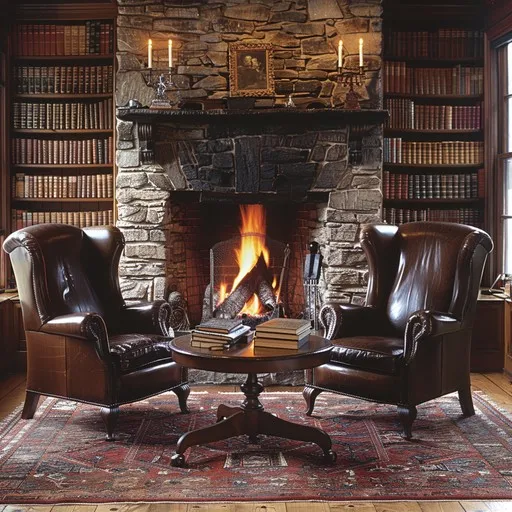
At The Red Lion, whose common room retains its original high-backed settles designed to encourage conversation, proprietor Sarah Hendricks describes how these spaces functioned as democratic forums. "Rich or poor, local or foreign, everyone shared the same fire, the same news, the same sense of being part of something larger than their immediate circumstances."
This social mixing produced unexpected consequences. Agricultural innovations spread through coaching inn conversations. Political movements gained momentum around common room fires. Romantic attachments formed between passengers thrown together by travel delays. The inn served as a catalyst for social change, a place where the rigid hierarchies of rural life temporarily relaxed.
Echoes in the Present
Today's Withland inns carry forward this tradition of connection, though the medium has evolved. Where once they facilitated the flow of letters and newspapers, they now provide spaces for digital detox and face-to-face conversation. The common rooms that once buzzed with coaching inn gossip now offer refuge from social media's relentless chatter.
"The fundamental human need hasn't changed," observes Dr. Wellcome. "People still crave authentic connection, reliable information, and the sense of belonging to something larger than themselves. The methods may have evolved, but the inn's essential function remains constant."
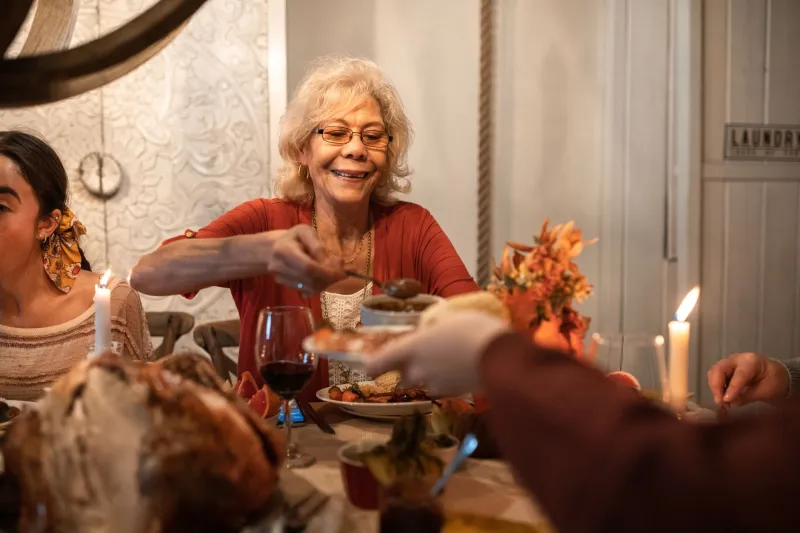
At The Griffin's Head, evening conversations still follow patterns established centuries ago. Strangers become temporary companions over shared meals. Local knowledge mixes with outside perspectives. News and stories flow as freely as the wine, creating the same sense of connected community that sustained Withland through previous centuries.
The Lasting Legacy
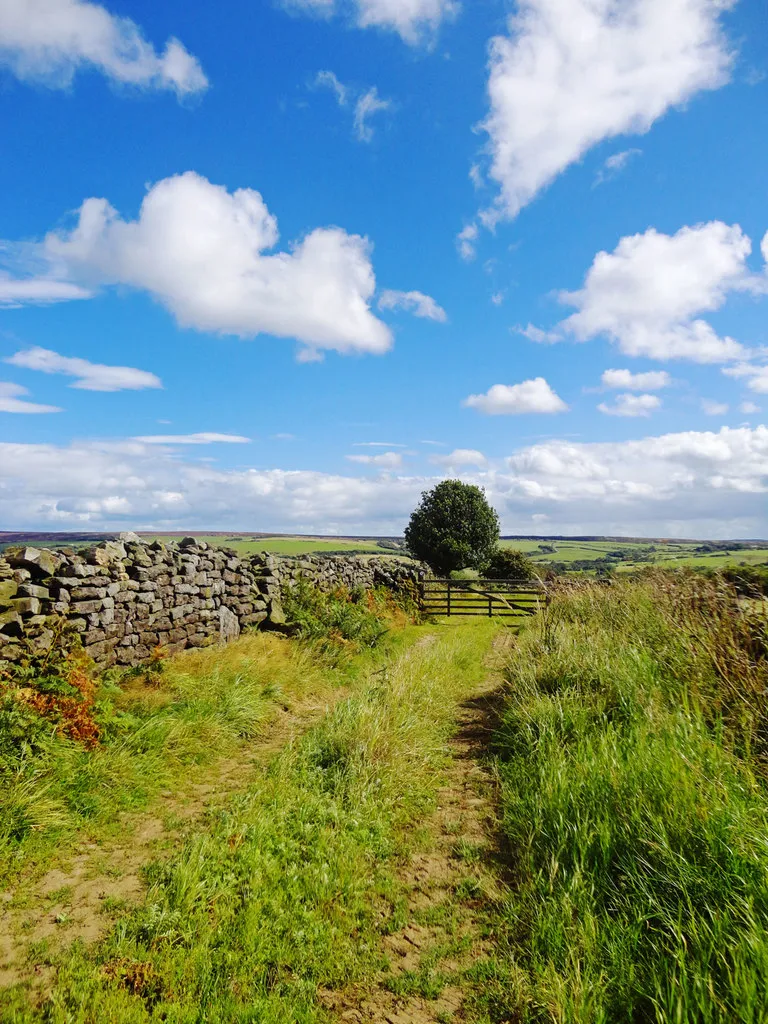
Walk through Withland today, and the coaching inn's influence remains visible everywhere. The wide streets designed to accommodate horse-drawn vehicles. The market squares positioned within easy reach of inn courtyards. The network of footpaths connecting remote farms to coaching routes. These physical remnants tell the story of a time when inns didn't just serve travellers—they served civilisation itself.
The coaching age may have ended with the railway's arrival, but its deeper lesson endures. In an era of instant global communication, Withland's historic inns remind us that true connection requires more than efficient message delivery. It demands shared spaces, unhurried conversation, and the particular magic that occurs when strangers gather around a common fire, united by the simple human desire to be understood and to understand others in return.