Table for One: Why Withland's Inn Culture Makes Solo Travel Sing
The Fear Factor
Let's address the elephant in the dining room: most of us are terrified of travelling alone. Not the practical aspects—booking rooms, navigating transport, or managing luggage. We're afraid of the social awkwardness, the pitying glances, the assumption that solo equals sad. We've been conditioned to believe that travel is inherently social, that holidays require companions, that dining alone marks us as somehow deficient.
But here's what I've discovered during countless solo sojourns through Withland: the traditional inn is the antidote to every anxiety that keeps us travelling in herds when we'd rather explore as individuals.
The Architecture of Welcome
Withland's historic inns weren't designed for the nuclear family holiday or the couples' weekend break. They evolved to serve individual travellers—merchants, pilgrims, government messengers, and wandering scholars who arrived alone and needed not just accommodation, but community. The physical layout of these establishments reflects this heritage.
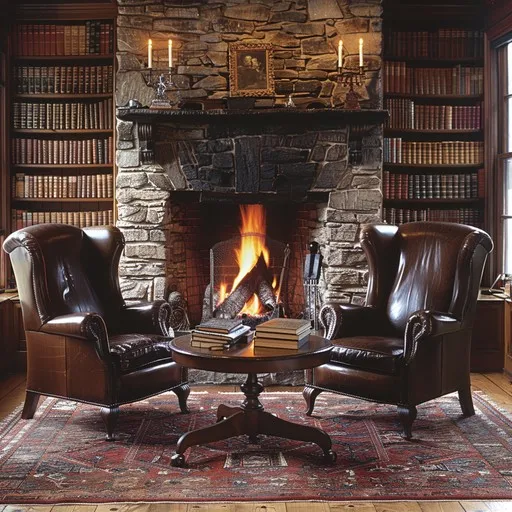
Take The Crown's common room, with its horseshoe-shaped bar that naturally draws solo drinkers into conversation with neighbours. Or The Swan's communal dining tables, where sharing space feels organic rather than awkward. These aren't modern innovations designed to maximise revenue per square metre—they're centuries-old solutions to the fundamental human need for connection.
 Photo: The Crown, via cdn.cliqueinc.com
"The traditional inn recognises something that modern hospitality often forgets," explains Margaret Thornley, proprietor of The Griffin's Head. "Solo doesn't mean antisocial. People travelling alone often crave interaction more than couples or families do. They're not looking to be left alone—they're looking to belong."
The Innkeeper Advantage
In chain hotels, solo travellers become statistics—single occupancy rates that squeeze profit margins. But in Withland's family-run inns, the solo guest represents an opportunity for genuine hospitality. Innkeepers like James Morrison at The Red Lion possess an almost supernatural ability to gauge a guest's social appetite.
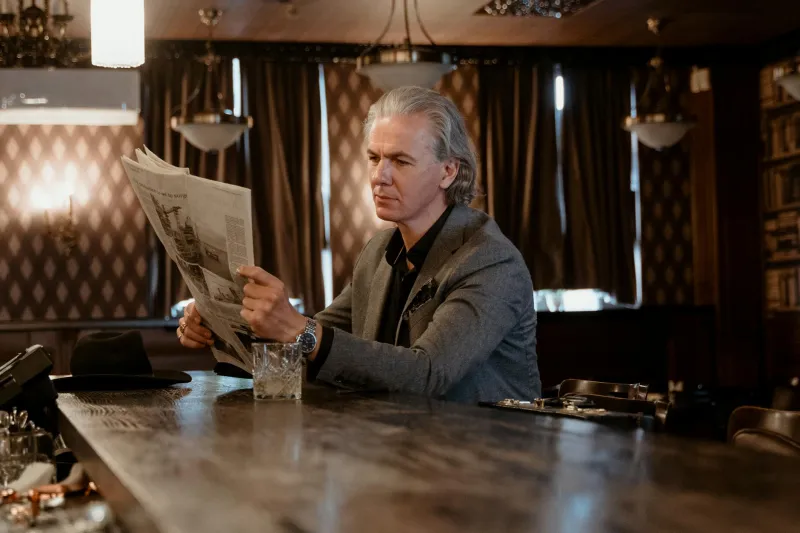
"Some people want to chat, others prefer to observe," James explains, polishing glasses behind the bar where solo diners naturally gravitate. "My job is reading those signals correctly. The businessman who needs to decompress in silence gets his corner table and his newspaper. The retired teacher exploring the countryside gets introduced to the local rambling group. Same space, different needs, tailored responses."
This personalised attention extends beyond mere customer service. Innkeepers become temporary local friends, offering insider knowledge that no guidebook can provide. They know which footpath offers the best sunrise views, which village shop stocks the finest cheese, which evening the local choir practises in the church across the square. For the solo traveller, this local intelligence transforms a holiday from mere sightseeing into authentic exploration.
The Rhythm of Solo Discovery
Travelling alone through Withland reveals rhythms impossible to achieve in groups. You can linger over breakfast until the morning light shifts from gold to white. You can abandon planned itineraries when curiosity strikes. You can engage in lengthy conversations with strangers without worrying about companions growing restless.
At The King's Arms, I've watched solo travellers discover freedoms they'd forgotten they possessed. The London solicitor who spent three hours sketching in the beer garden because no one was hurrying her along. The Manchester teacher who joined the inn's weekly quiz night and left with new email addresses and dinner invitations. The Birmingham architect who missed his planned departure because he'd become engrossed in helping the innkeeper restore a Victorian dovecote.
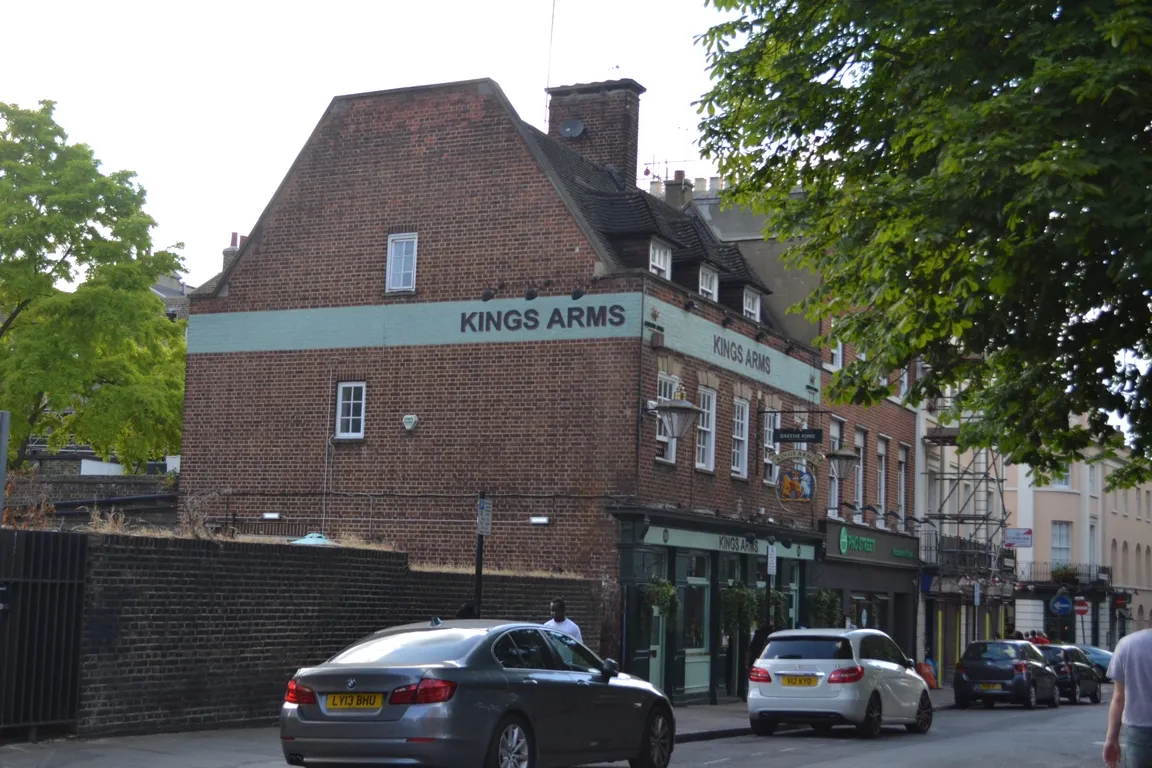 Photo: The King's Arms, via photos.wikimapia.org
"Solo travel isn't about being alone," observes regular guest Patricia Wellcome, a retired librarian who takes monthly solo breaks in Withland. "It's about being autonomous. You engage when you choose to engage, on terms you set yourself. That's incredibly liberating."
The Dinner Dilemma Solved
The greatest anxiety for many solo travellers centres on evening meals—the assumption that dining alone marks you as pitiable or antisocial. Withland's inns dissolve this concern through simple architectural psychology. The bar-restaurant layout means solo diners never appear isolated. You're not sitting alone at a table for four in a sterile dining room—you're perched at the bar, naturally part of the inn's evening rhythm.
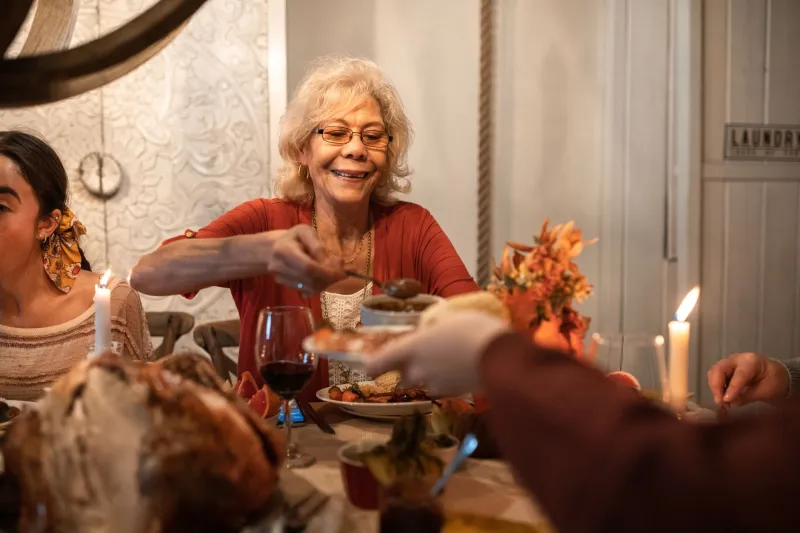
Conversations develop organically. The couple from Birmingham shares recommendations for tomorrow's walk. The local farmer explains the history behind the inn's ghost stories. The visiting food writer offers insights into the chef's technique with local lamb. These interactions feel spontaneous rather than forced, temporary rather than obligating.
Beyond the Comfort Zone
Solo travel through Withland's inn network pushes you gently beyond familiar social patterns. Without the safety net of travelling companions, you're more likely to accept invitations, join conversations, and engage with local culture. The result is often profound personal discovery.
"I've watched people transform during solo stays," notes David Ashworth of The Plough Inn. "They arrive looking slightly nervous, worried about managing alone. They leave looking confident, energised, proud of what they've accomplished independently. It's like watching someone remember who they are when they're not defined by their relationships to others."
This transformation isn't about dramatic personality change—it's about rediscovering aspects of yourself that group dynamics often obscure. Your natural conversation style emerges when you're not deferring to a partner's preferences. Your genuine interests surface when you're not negotiating group activities. Your authentic pace of exploration asserts itself when you're not accommodating others' energy levels.
The Practical Magic
Beyond the psychological benefits, solo travel through Withland offers practical advantages that groups can't access. Last-minute availability at coveted inns. Spontaneous invitations to local events. The flexibility to extend stays when you discover unexpected delights. The budget efficiency of sharing communal spaces rather than paying premiums for privacy.
Innkeepers actively court solo guests, recognising them as ideal ambassadors for their establishments. Solo travellers write the most detailed reviews, recommend experiences to friends, and return with companions inspired by their initial discoveries. They represent the kind of authentic word-of-mouth marketing that no advertising campaign can replicate.
The Quiet Revolution
Across Withland, a quiet revolution is occurring one bar stool at a time. Solo travellers are discovering that Britain's traditional inn culture offers everything they've been seeking: authentic local connection without social pressure, genuine hospitality without artificial entertainment, and the particular satisfaction of navigating new experiences entirely on their own terms.
The solo traveller isn't a problem to be solved or a compromise to be endured. In Withland's welcoming inns, they're exactly what they should be: an individual guest worthy of individual attention, exploring the world at their own pace, on their own terms, with their own stories to tell when they return home.