Stone by Stone: The Ancient Art Keeping Withland's Countryside Intact
The Walls That Built Britain
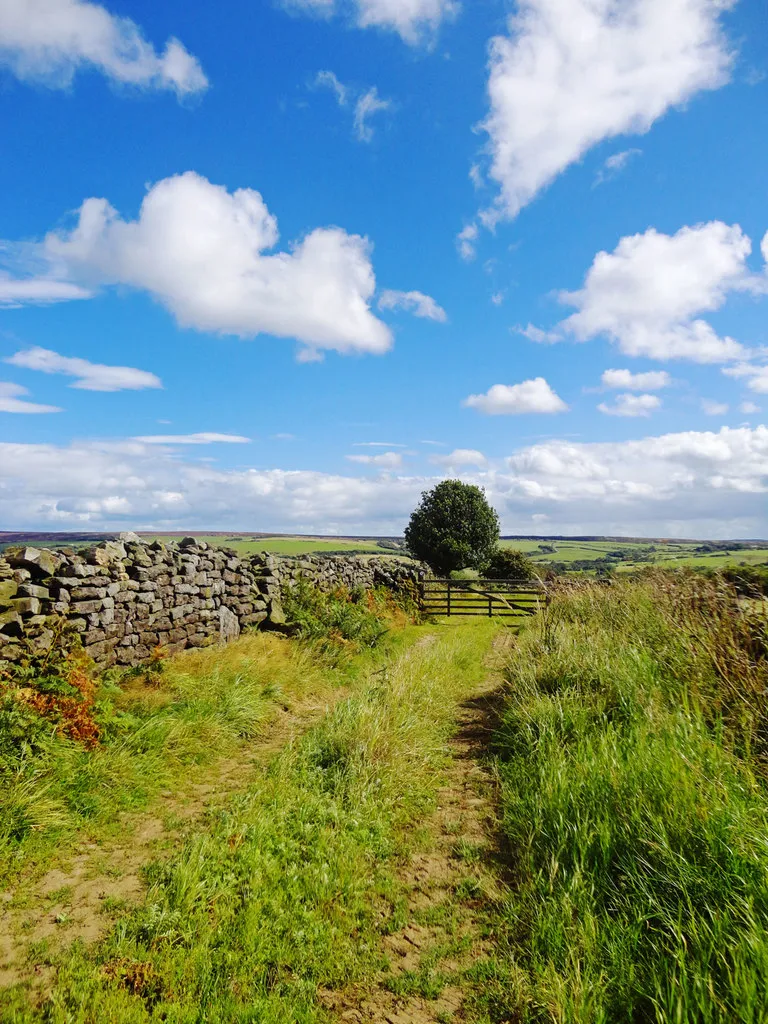
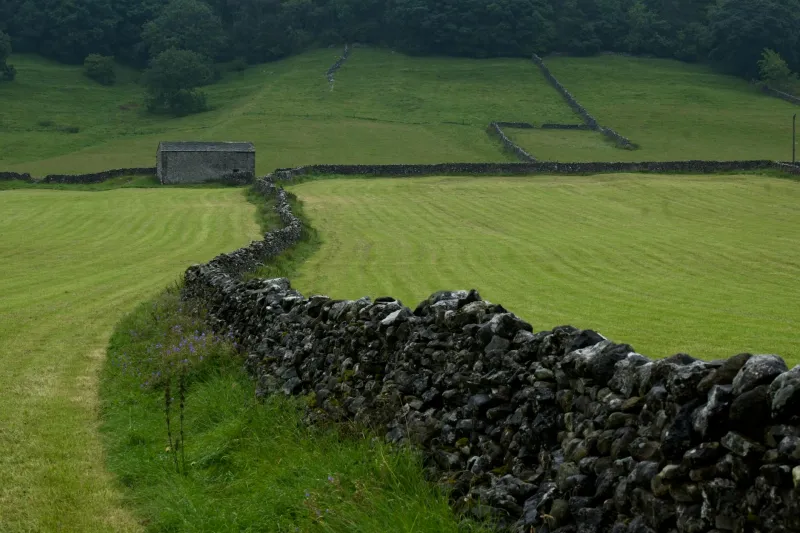
When you check into The Shepherd's Rest or The King's Head, you're not just booking a room — you're stepping into a landscape that has been shaped, quite literally, by human hands for over a thousand years. The dry stone walls that snake across Withland's hillsides, defining field boundaries and marking ancient pathways, represent one of Britain's oldest surviving crafts. And increasingly, it's the area's most thoughtful innkeepers who are ensuring this heritage doesn't crumble away with the next hard frost.
Dry stone walling — the art of building without mortar, relying purely on the careful selection and placement of local stone — once employed thousands across Britain's uplands. Today, fewer than 300 certified master wallers remain active across the entire country. In Withland, that number has dwindled to just seven.
More Than Decoration
Sarah Hartwell, who runs The Griffin's Nest with her husband James, discovered the importance of these boundaries the hard way. "When we bought the inn five years ago, we thought the walls were just part of the scenery," she admits, watching as master waller Tom Bradshaw carefully selects stones from a pile that might look random to the untrained eye. "Then winter came, and a fifty-metre section collapsed. We called in builders with cement, thinking it would be a quick fix."
 Photo: The Griffin's Nest, via img.itch.zone
 Photo: Tom Bradshaw, via c8.alamy.com
The local reaction was swift and educational. "Neighbours who'd barely spoken to us before suddenly appeared at our door," James recalls. "Not angry, just... concerned. They explained that these walls aren't just boundaries — they're drainage systems, wildlife corridors, and historical documents all rolled into one."
The couple soon learned that dry stone walls, when properly built, can last centuries while allowing water to flow through during heavy rains — preventing the flooding that concrete alternatives often exacerbate. More importantly, they provide crucial habitat for everything from slow worms to nesting birds, creating the ecological networks that keep Withland's countryside vibrant.
The Learning Curve
Now, The Griffin's Nest offers what might be Britain's most unusual guest experience: guided walks with working wallers, where visitors can witness the ancient craft in action and even try their hand at basic techniques. "It's surprisingly popular," Sarah notes. "City guests especially seem fascinated by the idea that you can build something permanent without any binding agent — just knowledge, patience, and an eye for how stones want to fit together."
Tom Bradshaw, whose family has been walling in the area for four generations, appreciates the innkeepers' newfound enthusiasm. "Twenty years ago, if a wall fell down, most people just left it or had it replaced with wire fencing," he explains, hefting a cornerstone into position with practiced ease. "Now I've got inn owners asking me to teach their guests, farmers wanting to learn traditional techniques, even art students coming to understand the aesthetic principles."
Ancient Wisdom, Modern Relevance
The revival isn't purely romantic. Climate change has made traditional building techniques newly relevant — dry stone walls expand and contract with temperature changes without cracking, and their permeability makes them far more resilient to extreme weather than modern alternatives. Several Withland inns have discovered that restoring rather than replacing their boundary walls actually saves money in the long term.
At The Woolpack, landlord Peter Morrison has gone further, employing a full-time waller to maintain the inn's extensive boundaries and offering weekend courses for guests. "People come for the walking, the food, the peace," he says, "but they leave talking about the walls. There's something deeply satisfying about watching someone build something that will outlast us all using nothing but skill and stone."
The Next Generation
Perhaps most importantly, the partnership between inns and wallers is attracting young people to the craft. Lucy Chen, 24, gave up a marketing job in Manchester to train as a waller after a weekend at The King's Head. "I came for a friend's birthday, ended up in a field at seven in the morning watching this elderly man rebuild a wall that had stood for three centuries," she recalls. "The precision, the patience, the connection to place — it was everything my old job wasn't."
 Photo: Lucy Chen, via i.pinimg.com
She's now one of only three female certified wallers in the north, and splits her time between restoration work and teaching guests at various Withland inns. "The inn connection is crucial," she emphasises. "It brings the craft to people who would never otherwise encounter it, and it provides a sustainable income model for those of us learning the trade."
Building Tomorrow's Landscape
As development pressure increases across rural Britain, the partnership between Withland's inns and its remaining wallers represents something more significant than heritage preservation — it's active landscape stewardship. When guests return home and insist on dry stone boundaries for their own properties, or pressure local councils to maintain traditional techniques, the impact spreads far beyond Withland's valleys.
"Every wall we build or restore is a statement about the kind of countryside we want to leave behind," Tom Bradshaw reflects, stepping back to assess a morning's work. "And every guest who stops to watch, asks questions, or tries to lift a stone themselves becomes part of that legacy."
For visitors to Withland, the message is clear: look beyond the comfortable rooms and excellent dinners. Step outside, run your hand along those seemingly simple stone boundaries, and you'll touch a craft that has shaped British landscape for millennia — and thanks to a handful of dedicated innkeepers, will continue shaping it for centuries to come.