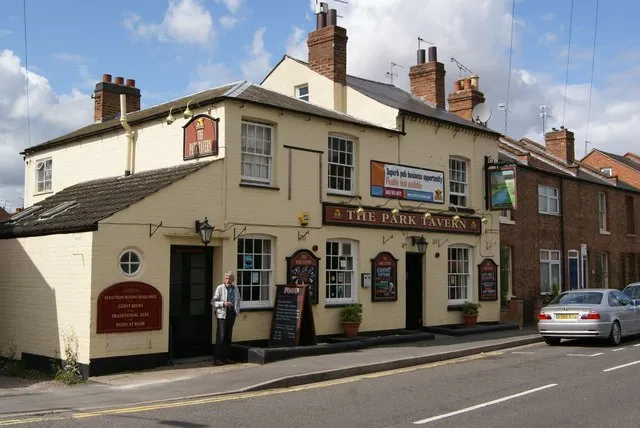
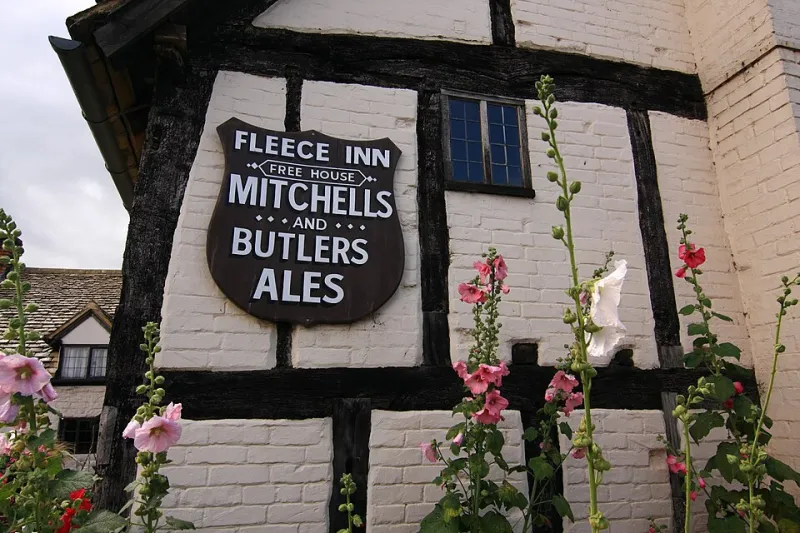
Royal Griffins and Wandering Shepherds: Decoding the Stories Written Above Every Withland Door
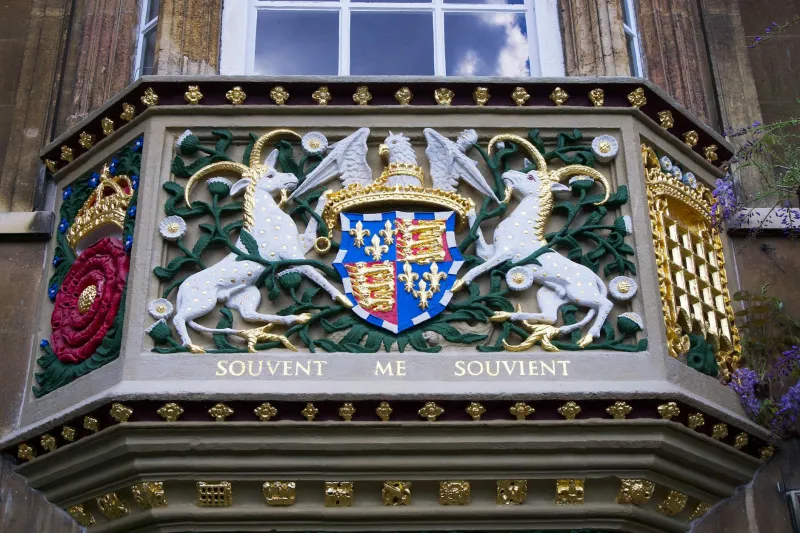
The Silent Historians
Every morning, thousands of guests walk beneath inn signs without realising they're passing some of Britain's most enduring historical documents. The Red Lion, The Crown and Anchor, The Shepherd's Crook — these aren't random names dreamed up by marketing committees. They're encoded messages from previous centuries, telling stories of political allegiance, economic necessity, and cultural identity that shaped the very communities they still serve today.
Dr. Margaret Thornfield, who has spent thirty years researching British inn nomenclature, puts it simply: "Pub and inn names are the people's history. While the wealthy commissioned portraits and the literate kept diaries, ordinary folk encoded their stories in the names above their doors."
Lions, Crowns, and Clever Camouflage
Withland's concentration of royal heraldry tells a particularly fascinating tale. The Red Lion — appearing no fewer than six times across the area — represents one of the most successful rebranding exercises in British history. Originally, many of these establishments bore names celebrating Catholic saints or local nobles. When Henry VIII's reformation made such allegiances dangerous, a swift coat of red paint and a new sign transformed The Saint George into The Red Lion overnight.
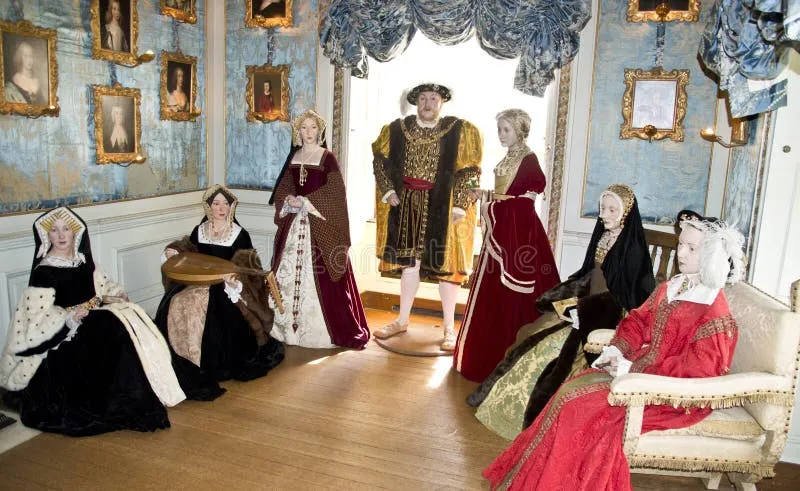 Photo: Henry VIII, via thumbs.dreamstime.com
"The Red Lion became the safe choice," explains local historian Robert Fairweather, whose own family has run The Crown and Sceptre for four generations. "It was royal enough to show loyalty, generic enough to survive regime changes, and popular enough to blend in. A perfect political hedge."
The proliferation of Crown-themed names tells a similar story of calculated loyalty. The Crown and Anchor, The Crown and Cushion, The Crown Inn — each represents a moment when an innkeeper needed to demonstrate unquestionable allegiance to whoever currently occupied the throne. "My great-great-grandfather changed our name three times in fifteen years," Robert notes with amusement. "Depending on which monarch was winning."
The Working Life Encoded
Beyond royal politics, Withland's inn names preserve a record of economic life that has largely vanished. The Shepherd's Rest, The Woolpack, The Drover's Arms — these weren't quaint rural affectations but essential infrastructure for Britain's pre-industrial economy.
The Woolpack, now known for its exceptional Sunday roasts, once served as the literal centre of Withland's wool trade. "Wool merchants would stay here during market days, using the inn's scales to weigh fleeces and its strongroom to secure payments," explains current landlord David Moss, whose restoration of the building uncovered original wool-weighing equipment still embedded in the cellar walls.
The Drover's Arms tells an even more specific story. Positioned precisely one day's cattle drive from the nearest market town, it provided overnight accommodation for the Welsh drovers who walked thousands of cattle to English markets each year. "The inn was designed around cattle, not people," notes architectural historian Sarah Blackwood. "Large courtyards for livestock, ground-floor accommodation for drovers who needed to watch their animals, and kitchens capable of feeding fifty men at once."
Mythical Creatures and Local Legends
Perhaps most intriguingly, several of Withland's inns celebrate creatures that never existed. The Griffin Inn itself — the area's most celebrated establishment — takes its name from a mythical beast that was once considered the king of all creatures. "The griffin represented divine power and earthly authority combined," explains Dr. Thornfield. "Choosing that name suggested an inn that served both spiritual and temporal needs — food for the body, shelter for the soul."
 Photo: The Griffin Inn, via images.squarespace-cdn.com
The Dragon's Head tells a more specific local story. According to village records dating back to 1347, the name commemorates a particularly successful medieval tax collector whose efficiency was legendary and whose methods were... memorable. "The 'dragon' wasn't mythical," Robert Fairweather notes drily. "It was the nickname locals gave to the most feared man in three counties."
Names That Vanished
What's equally revealing is which names disappeared. The Reformation eliminated most saint-based names, while the Industrial Revolution swept away references to trades that mechanisation had rendered obsolete. The Blacksmith's Arms became The Railway Inn; The Pilgrim's Rest transformed into The Traveller's Joy.
"Each name change reflects a moment when the community decided its identity had shifted," observes Dr. Thornfield. "Sometimes it was political pressure, sometimes economic necessity, sometimes just the desire to attract different customers."
The most recent changes prove the pattern continues. The Commercial Hotel became The Riverside Inn in 1987, reflecting the shift from industrial to leisure tourism. The Farmer's Boy — a name that once celebrated agricultural labour — quietly became The Ploughman in 2003, softening its association with hard physical work.
Modern Naming, Ancient Patterns
When new inns open today, they face the same challenge their predecessors did centuries ago: how to signal their identity and allegiances in a single phrase. The recently opened Artisan's Table explicitly celebrates craft culture, while The Forager's Kitchen aligns itself with contemporary food movements.
"The patterns haven't changed," argues Robert Fairweather. "We still choose names that tell potential customers who we are, what we value, and which tribe we belong to. We're just more subtle about it now."
Reading the Signs
For visitors exploring Withland's inn culture, understanding these naming conventions adds layers of meaning to every meal and every stay. The Red Lion that serves you excellent local ales was once probably The Saint Someone, hastily renamed to avoid Tudor persecution. The Shepherd's Rest offering you weekend luxury was designed to provide basic shelter for men driving sheep to distant markets.
"Every inn name is a time capsule," concludes Dr. Thornfield. "And every time you raise a glass beneath one of these signs, you're participating in a conversation that's been going on for centuries."
Next time you check into a Withland inn, take a moment to really look at the name above the door. You're not just booking accommodation — you're reading a chapter of British history that was written by ordinary people, for ordinary people, and somehow survived everything the centuries could throw at it.