The Death of the British Lunch Hour
Somewhere between the invention of the email and the rise of the protein bar, Britain lost its way with lunch. What was once a civilised pause in the working day has devolved into a grim ritual of hunched shoulders over keyboards, sad sandwiches consumed in fluorescent-lit offices, and the peculiar British habit of apologising for taking a break.
Walk through any city centre at half past twelve and witness the sorry parade: office workers clutching meal deals like life rafts, wolfing down wraps whilst scrolling through phones, treating sustenance as an inconvenient interruption to productivity. We've somehow convinced ourselves that eating lunch properly is an indulgence we can't afford.
Withland's inns tell a different story entirely.
Where Lunch Still Means Something
Step into any of Withland's traditional establishments during the midday hours and you'll encounter something increasingly rare: people actually sitting down to eat. Not perched on high stools whilst checking emails, not grabbing something 'quick and easy', but genuinely pausing their day for the radical act of a proper meal.
The difference is immediately apparent. Conversations flow naturally between strangers sharing adjacent tables. Newspapers are read cover to cover rather than skimmed. The rhythm of the meal follows its own unhurried pace, dictated by appetite rather than afternoon meetings.
This isn't nostalgia masquerading as hospitality—it's a deliberate statement about what lunch should be. These establishments understand something that corporate Britain has forgotten: the midday meal isn't just fuel for the afternoon ahead, it's a necessary reset for both body and mind.
The Inn Advantage
What makes Withland's inn lunches particularly effective is their complete rejection of the modern dining trends that have infected even traditional pubs. No small plates designed to keep you ordering. No 'sharing concepts' that leave everyone slightly hungry. No apologetic portions that require supplementing with afternoon snacks.
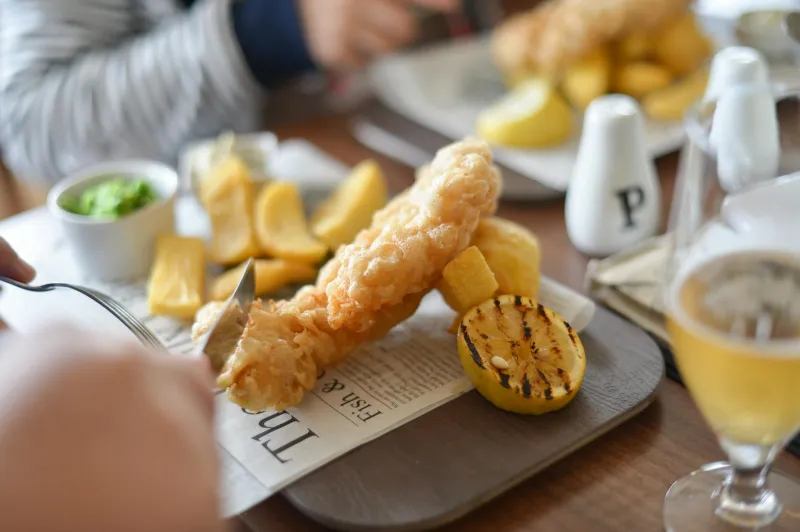
Instead, you'll find generous servings of proper food—the kind that arrives on warmed plates and requires actual cutlery. Steak and kidney pudding with suet pastry that would send a wellness blogger into cardiac arrest. Fish and chips where the fish actually fills the plate. Sunday roasts that understand the difference between a joint and a gesture.
The portions aren't just generous; they're confident. These kitchens aren't interested in the contemporary obsession with leaving diners wanting more. They subscribe to the older, wiser philosophy of ensuring guests leave genuinely satisfied.
The Psychology of the Proper Break
There's something psychologically restorative about removing yourself entirely from your usual environment for lunch. The walk to a proper establishment, the transition from work mode to dining mode, the physical act of sitting down at a table rather than remaining at your desk—each element contributes to a mental shift that no grabbed sandwich can replicate.
Withland's innkeepers have observed this transformation countless times. Diners arrive harried and distracted, phones buzzing with notifications, minds clearly elsewhere. But somewhere between ordering and receiving their meal, something shifts. Shoulders relax. Conversation begins. The outside world recedes to manageable proportions.
This isn't accident—it's architecture. These spaces were designed for lingering, for the kind of unhurried dining that allows proper digestion and genuine restoration. Low ceilings create intimacy. Thick walls muffle the outside world. Even the lighting seems calibrated for relaxation rather than efficiency.
Beyond the Sandwich Economy
The rise of the sandwich as Britain's default lunch option represents more than just convenience—it's symptomatic of a broader cultural shift towards treating meals as mere interruptions to productivity. The sandwich can be eaten with one hand whilst the other continues working. It requires no plates, no cutlery, no pause in the day's activities.
Withland's inns reject this efficiency entirely. Their lunches demand your full attention. They require knives and forks and proper sitting. They insist on interrupting your day not just with calories but with genuine pause.
This resistance to lunch as merely functional feeding extends to every aspect of the experience. Menus change with seasons rather than market research. Ingredients are sourced locally rather than optimised for shelf life. Cooking methods prioritise flavour over speed.
The Economics of Eating Properly
Critics often dismiss inn lunches as expensive indulgences compared to meal deals and office canteens. But this calculation misses the broader economic picture. A proper lunch that genuinely satisfies eliminates the need for afternoon snacks, reduces evening appetite to manageable proportions, and provides energy that sustains rather than crashes.
More importantly, the productivity benefits of a genuine midday break—the kind that resets mental state rather than merely refuelling—far outweigh the modest additional cost. Workers return to afternoon tasks genuinely refreshed rather than simply fed.
Withland's innkeepers report regular customers who've discovered this equation for themselves. Professionals who initially visited occasionally have become daily regulars, recognising that a proper lunch isn't an expense but an investment in their own wellbeing.
Reclaiming the Midday Pause
The revival of proper lunch culture starts with rejecting the premise that eating well requires special occasions. Withland's inns demonstrate that a civilised midday meal isn't luxury—it's the baseline for treating yourself with basic human dignity.
In a world that increasingly treats eating as an efficiency problem to be solved, these establishments insist that meals remain experiences to be savoured. They're fighting the good fight against the sad desk sandwich, one proper lunch at a time.
Perhaps it's time we joined them.