The Gallery You Walk Past Every Day
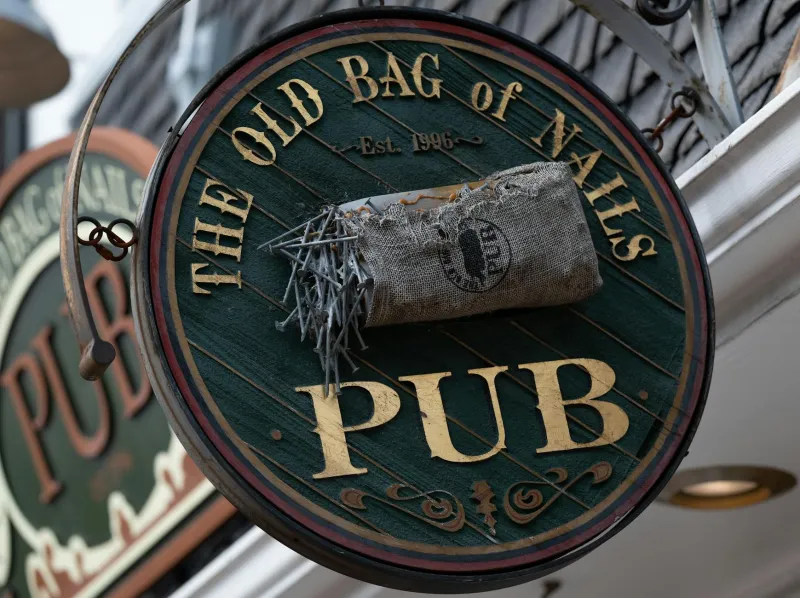
Britain possesses one of the world's most extensive public art collections, yet most people pass it without a second glance. Hanging above doorways throughout Withland, painted inn signs preserve stories that stretch back to medieval England, when most of the population couldn't read and a picture truly was worth a thousand words.
These aren't mere decorations or marketing tools—they're historical documents painted on wood and metal, weathered by centuries but still telling their tales to anyone who knows how to read them. In an age when chain establishments favour generic branding over local connection, Withland's traditional inn signs represent something increasingly precious: authentic links to our shared past.
Dr. Margaret Thornfield, who has spent three decades studying British pub heraldry, puts it simply: "These signs are our most democratic historical record. They were designed to communicate with everyone, regardless of education or social status. They're the people's history, written in symbols everyone once understood."
When Pictures Replaced Words
The tradition of painted inn signs emerged during medieval times when literacy was largely confined to clergy and nobility. A traveller seeking accommodation needed visual cues rather than written information. Inn signs served as medieval GPS systems, providing instantly recognisable landmarks in an era before street numbers or postal codes.
The earliest signs were often simple religious symbols—crosses, saints, or biblical scenes that offered spiritual comfort alongside physical shelter. The White Hart, which still swings above Withland's oldest inn, originally depicted the personal badge of Richard II, painted during the 1390s when displaying royal symbols suggested loyalty and protection.
 Photo: The White Hart, via lookaside.fbsbx.com
Thomas Hartwell, current proprietor of The White Hart and descendant of the family that has operated the inn for six generations, keeps detailed records of his sign's evolution. "We've had the same basic design for over six hundred years," he explains whilst examining reproduction paintings that show how the hart has been reinterpreted by different artists across the centuries. "But each generation of sign painters has added their own touches—different poses, varying backgrounds, even changing the hart's expression to reflect contemporary artistic styles."
The sign currently hanging outside The White Hart represents the work of local artist Sarah Chen, who spent months researching historical depictions before creating her own interpretation. "I wanted to honour the tradition whilst making it speak to contemporary viewers," Chen explains. "The hart's pose references medieval manuscripts, but the painting technique uses methods that would have been impossible for fourteenth-century sign painters."
Heraldry Made Accessible
Many of Withland's inn signs preserve heraldic symbols that once marked territorial boundaries or proclaimed feudal allegiances. The Red Lion, found throughout Britain, originated as a symbol of John of Gaunt and became so popular that it spread far beyond areas under his direct influence. The Crown & Anchor combines royal symbolism with maritime tradition, reflecting both loyalty to the monarchy and dependence on water-borne trade.
But inn signs also democratised heraldry, adapting aristocratic symbols for common use. The Rose & Crown simplified complex royal heraldry into imagery that ordinary people could recognise and remember. Trade symbols—the Carpenter's Arms, the Blacksmith's Head, the Miller's Wheel—celebrated working-class occupations in visual language borrowed from noble traditions.
Dr. Thornfield has documented over forty distinct heraldic references among Withland's current inn signs. "What's fascinating is how these symbols evolved as they moved from aristocratic contexts to public houses," she notes whilst photographing The Griffin's elaborately painted sign. "The original heraldic griffin was a symbol of divine power, but inn signs transformed it into something more approachable—still majestic, but no longer intimidating."
The Griffin Inn's current sign, painted by master craftsman Robert Mills in 1987, demonstrates this evolution perfectly. Mills researched medieval griffin depictions but chose to emphasise the creature's protective rather than fearsome qualities. The griffin's wings spread in welcome rather than threat, its expression alert but benevolent.
Local Legends in Living Colour
Beyond heraldic symbols, many inn signs preserve local folklore that might otherwise have been lost to oral tradition. The Witchfinder's Rest commemorates Matthew Hopkins' brief but notorious career hunting supposed witches throughout East Anglia during the 1640s. The sign depicts not Hopkins himself but the cottage where he allegedly died, transforming historical trauma into local landmark.
The Smuggler's Moon recalls Withland's involvement in eighteenth-century contraband trade, when local inns served as distribution centres for French brandy and Dutch gin. The current sign, painted in deliberate chiaroscuro style, shows a coastal scene illuminated by moonlight—romantic imagery that glosses over the violence and corruption that characterised actual smuggling operations.
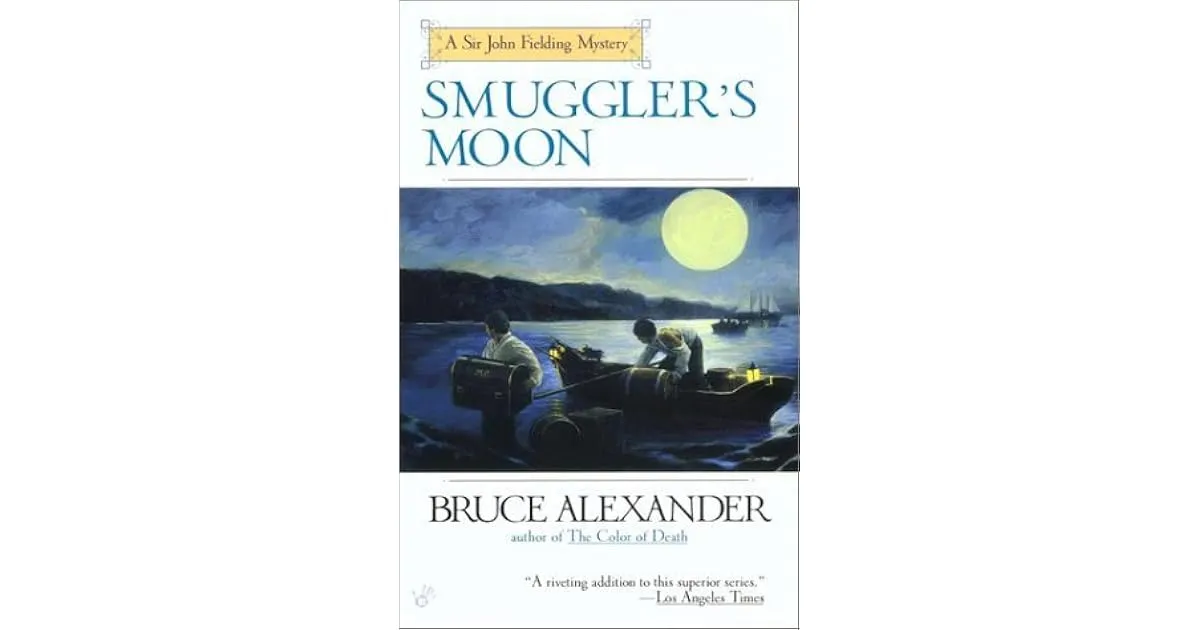 Photo: The Smuggler's Moon, via i.gr-assets.com
"Inn signs often sanitise history," admits local historian Dr. James Whitfield whilst examining The Smuggler's Moon's artistic details. "They preserve memory of events whilst making them palatable for contemporary sensibilities. The real smuggling trade was brutal and dangerous, but the sign presents it as romantic adventure."
This sanitisation serves important social functions, Whitfield argues. "These signs allow communities to acknowledge difficult histories without being overwhelmed by them. They keep stories alive whilst transforming them into sources of local pride rather than shame."
The Art of Sign Painting
Creating traditional inn signs requires specialised skills that combine artistic ability with historical knowledge and practical craftsmanship. The paint must withstand years of weather exposure whilst maintaining clarity and colour. The imagery must be recognisable from distance whilst rewarding close examination. The overall design must balance historical accuracy with contemporary accessibility.
Robert Mills, who has painted inn signs throughout Withland for over thirty years, describes the process as "applied archaeology." Each commission requires extensive research into historical depictions, local traditions, and the specific building's architectural context. "You're not just painting a picture," Mills explains whilst preparing preliminary sketches for a sign restoration. "You're creating something that needs to work as landmark, advertisement, and historical document simultaneously."
Mills' workshop contains hundreds of reference books, photographs of historical signs, and detailed notes about pigment formulations that have proven durable in British weather conditions. His waiting list extends over eighteen months, reflecting both the specialised nature of his work and growing appreciation for traditional craftsmanship.
The restoration of The Shepherd's Table sign, completed by Mills in 2019, demonstrates the complexity involved in maintaining these historical artworks. The original eighteenth-century design had been painted over multiple times, with each generation adding their own interpretations. Mills spent weeks carefully removing later additions to reveal the original composition, then created a faithful reproduction using period-appropriate techniques whilst incorporating modern materials for enhanced durability.
Reading the Landscape
Understanding inn signs transforms any journey through Withland into an exercise in historical detection. Royal symbols cluster around former coaching routes, reflecting the importance of demonstrating loyalty in areas frequented by official travellers. Maritime imagery appears near waterways, even those no longer navigable. Agricultural symbols mark areas where specific crops or livestock dominated local economy.
The concentration of religious imagery around Withland's medieval church reflects the institution's former role in providing accommodation for pilgrims and travellers. The Angel, The Cross Keys, and The Pilgrim's Rest all reference spiritual as well as physical sustenance, reminding contemporary visitors of era when religious and secular hospitality were inseparable.
Dr. Thornfield has mapped these symbolic patterns across Withland's landscape, creating what she describes as "a visual history that reveals settlement patterns, trade routes, and social hierarchies spanning six centuries." Her research demonstrates how inn signs function as collective memory, preserving information about local identity and historical development in immediately accessible form.
Preserving the Tradition
As chain establishments replace independent inns throughout Britain, traditional sign painting faces an uncertain future. Corporate branding favours standardisation over local distinctiveness, efficiency over craftsmanship, marketing research over historical authenticity.
Yet Withland's innkeepers remain committed to maintaining their painted heritage. The White Hart recently commissioned a complete sign restoration despite costs exceeding five thousand pounds. The Griffin Inn maintains detailed photographic records of their sign's evolution, ensuring future restorations can reference historical precedents.
"These signs are part of what makes each inn unique," explains Thomas Hartwell whilst discussing plans for The White Hart's next restoration. "They connect us to our predecessors whilst distinguishing us from corporate competitors. They're not just decoration—they're statements about who we are and what we value."
This commitment extends beyond individual establishments to collective heritage preservation. Withland's innkeepers have established a sign painting fund that supports restoration projects throughout the area, ensuring that financial constraints don't force the replacement of historical artwork with generic alternatives.
Stories Still Being Written
Withland's inn signs represent living tradition rather than museum pieces. New establishments commission original designs that reference local history whilst establishing contemporary identity. The Brewmaster's Choice, opened in 2018, features imagery combining traditional hop symbols with modern brewing equipment, acknowledging both historical precedent and current innovation.
These contemporary additions continue the tradition of visual storytelling that has characterised British inn signs for centuries. They demonstrate that painted signs remain relevant communication tools, capable of conveying complex information about identity, heritage, and community values in immediately accessible form.
As long as Withland's inns continue operating, their painted signs will keep telling stories—preserving the past whilst welcoming the future, one carefully crafted image at a time.