The Antidote to Anonymous: How Withland's Inn Culture Is Healing Britain's Holiday Loneliness
There's a particular kind of silence that haunts the modern British holiday. It's the echo of your own footsteps in an Airbnb hallway, the hum of a hotel air conditioning unit as your only companion, the blue glow of a smartphone screen as you scroll through other people's connections whilst sitting alone with your M&S ready meal.
But venture into Withland's network of traditional inns, and you'll discover something that the hospitality industry has been quietly abandoning: the radical act of actually meeting people.
The Lost Art of Accidental Friendship
At The Swan's Rest, landlord Michael Thompson has witnessed the same transformation countless times. "People arrive looking like they're expecting to be invisible," he explains, polishing a glass behind the oak bar that's anchored conversations for three centuries. "By the second evening, they're part of the furniture – and I mean that in the best possible way."
This isn't the forced jolliness of a holiday rep or the manufactured networking of a business hotel. It's something far more organic: the slow unfurling of human connection that happens when you remove the barriers that modern hospitality has erected between travellers.
Consider Sarah Chen, a Manchester solicitor who arrived at The Griffin's Roost last September planning a solitary walking weekend. "I'd booked it specifically to be alone," she admits. "I was exhausted by people." By Sunday morning, she was leading an impromptu group of six fellow guests up Beacon Hill, swapping stories and contact details as they navigated the morning mist.
The Breakfast Table Democracy
The communal breakfast table – that endangered species of British hospitality – remains alive and well in Withland's finest establishments. Unlike the sterile buffet queues of chain hotels, these shared morning rituals create what sociologists call "weak ties" – the casual connections that research shows are crucial for mental wellbeing.
"There's something about breaking bread together that breaks down barriers," observes Dr. Emma Hartwell, who studies social isolation at Leeds University. "When you're passing the marmalade to a stranger, you're already halfway to a conversation."
At The Shepherd's Rest, proprietor Janet Wickham has perfected the art of orchestrating these encounters without engineering them. "I might mention that the gentleman at table three is heading up the same footpath as the couple by the window," she explains. "Just plant the seed and let human nature do the rest."
The results speak for themselves. The inn's visitor book reads like a testament to unexpected friendships: walking groups that reconvene annually, couples who met over a disputed crossword clue, business partnerships forged over discussions of local ale.
Evening Rituals and the Democracy of the Bar
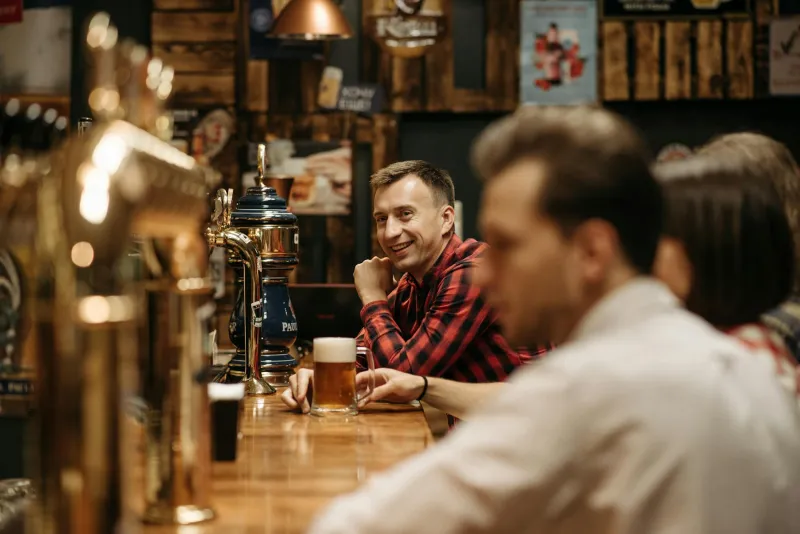
But it's in the evening hours that Withland's inns truly come alive as social spaces. The traditional inn bar operates on an egalitarian principle that modern hospitality has largely abandoned: everyone's equal when they're perched on a bar stool.
"You get retired teachers chatting to tech entrepreneurs, farmers sharing stories with city bankers," notes Tom Bradley, whose family has run The Merchant's Arms for four generations. "The bar becomes a great leveller. Everyone's just a traveller with a story to tell."
This isn't nostalgia-tinted romanticism. These conversations serve a genuine psychological function in an increasingly atomised society. Research from Oxford University's social anthropology department suggests that regular social interaction with strangers – particularly in relaxed, alcohol-lubricated environments – significantly reduces stress hormones and boosts cognitive function.
The Landlord as Social Conductor
Central to this ecosystem is the figure of the traditional landlord – part host, part therapist, part social conductor. Unlike the invisible hotel manager or the automated check-in kiosk, these individuals possess what hospitality schools can't teach: the intuitive ability to read a room and facilitate connection.
"I can spot the lonely ones within minutes," explains Patricia Webb of The Drovers' Inn. "There's a particular way they hover by the bar, wanting to engage but not knowing how. That's where we come in – not pushy, just creating the right moment for a natural introduction."
This human touch extends beyond mere customer service. These landlords become temporary custodians of their guests' wellbeing, facilitating connections that often outlast the holiday itself.
The Rebellion Against Digital Isolation
Choosing an inn over an anonymous hotel room or isolated cottage rental has become, perhaps unconsciously, an act of rebellion against the digital isolation that defines modern life. In Withland's inns, WiFi passwords are shared reluctantly, and phone signals are patchy enough to encourage actual conversation.
"People come here to escape their screens and remember what human interaction feels like," observes cultural critic James Morrison, who's documented the rise of "social tourism" – travel specifically designed to combat loneliness.
The irony isn't lost on anyone: in our hyper-connected age, we're having to actively seek out the kind of casual human interaction that our grandparents took for granted.
The Withland Difference
What makes Withland's inn culture particularly special is its authenticity. These aren't themed experiences or manufactured communities – they're living, breathing social spaces that have evolved organically over centuries.
"The difference is that we're not trying to create community," reflects Michael Thompson of The Swan's Rest. "We're just providing the space where it can happen naturally. There's a big difference."
In a world increasingly divided between the lonely luxury of premium isolation and the anonymous efficiency of budget chains, Withland's inns offer a third way: genuine hospitality that recognises the fundamental human need for connection.
For the growing number of Britons who've discovered that having everything at their fingertips doesn't necessarily make them feel any less alone, these establishments offer something priceless: the chance to remember that the best journeys are rarely taken solo.