The Ritual That Time Nearly Forgot
There's something almost subversive happening in Withland's traditional inns after nine o'clock. As the dining room empties and the last plates are cleared away, a different kind of magic begins to unfold in the lamp-lit lounges and snug bars. Guests who might otherwise retreat to their rooms to scroll through social media or catch up on emails find themselves drawn to the gentle clink of glasses and the warm glow of conversation.
The nightcap—that most civilised of British customs—is experiencing a quiet renaissance in this corner of the country, and it's proving to be one of the most unexpectedly transformative aspects of a Withland getaway.
More Than Just a Drink Before Bed
At first glance, the evening ritual might seem unremarkable: a tot of local whisky, perhaps a warming mulled ale, or one of those homemade hot toddies that landlords seem to conjure with mysterious alchemy. But spend even one evening participating in this gentle tradition, and you'll quickly realise that the drink itself is merely the catalyst for something far more precious.
"It's not really about the alcohol," explains Sarah, a regular visitor from Manchester who's been making pilgrimages to Withland for the past five years. "It's about having permission to slow down, to actually talk to people without feeling like you need to be somewhere else or doing something else."
This permission to pause is precisely what sets Withland's inn culture apart from the sterile efficiency of modern hospitality. While chain hotels offer anonymous minibars and soundproofed rooms that encourage isolation, the traditional inns here actively foster connection through their unhurried evening rhythms.
The Geography of Gathering
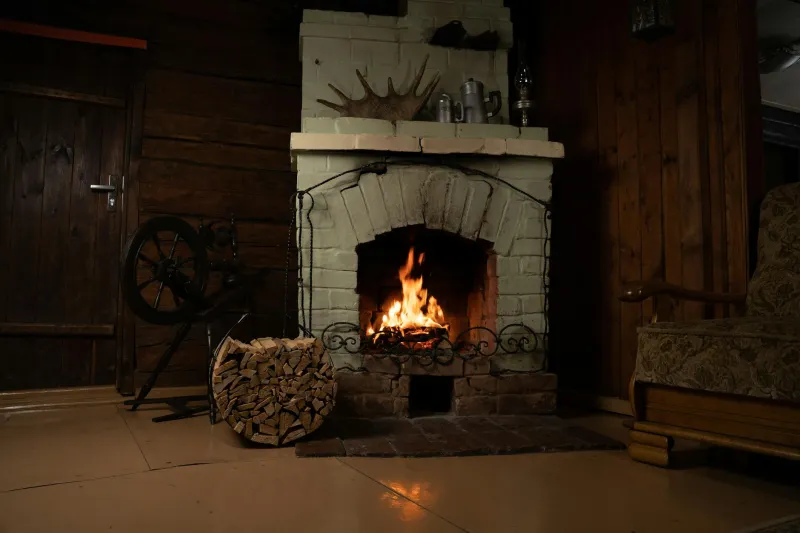
The physical spaces themselves seem designed for this kind of gentle socialising. Low ceilings create intimacy, while worn leather armchairs and settles arranged around crackling fires naturally draw people together. These aren't the stark, Instagram-ready lounges of boutique hotels, but lived-in spaces that have witnessed decades of conversation, laughter, and the kind of spontaneous friendships that can only bloom when strangers are given time and space to become acquaintances.
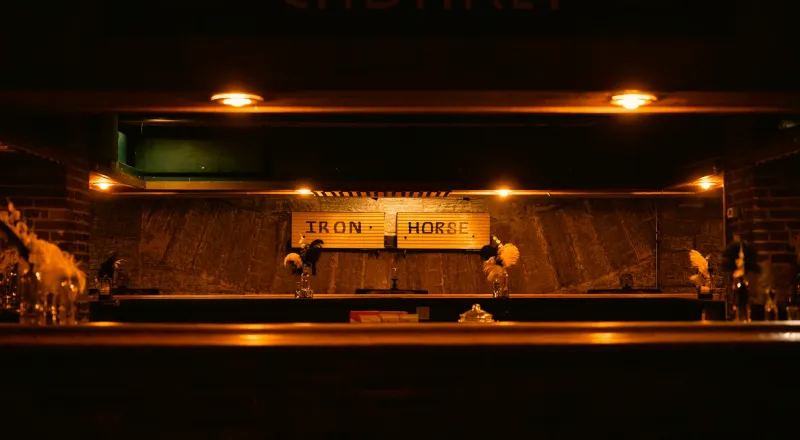
The lighting plays its part too. Soft pools of lamplight create natural conversation circles, while the absence of harsh overhead fluorescents or the blue glow of multiple screens helps signal to our ancient circadian rhythms that the day is winding down. It's a masterclass in atmospheric design that most modern establishments have forgotten in their rush to maximise efficiency and minimise labour costs.
Stories by Firelight
What emerges during these evening hours is something increasingly rare in our connected but isolated age: genuine human curiosity. Without the distraction of phones or the pressure of scheduled activities, guests find themselves genuinely interested in each other's stories. The retired teacher from Cornwall shares tales of her walking adventures with the young couple from Leeds who are discovering the joys of slow travel. The businessman from Birmingham, initially reluctant to put down his laptop, finds himself drawn into a discussion about local history with the inn's knowledgeable landlord.
These aren't forced interactions or artificial networking opportunities. They're organic conversations that develop naturally when people are given the time and space to simply be present with one another. It's a reminder of how much we've lost in our rush towards digital connection and scheduled socialising.
The Antidote to Modern Loneliness
Perhaps most significantly, these evening rituals are providing an unexpected antidote to the epidemic of loneliness that seems to plague modern British life. Travel, particularly for solo visitors, can often amplify feelings of isolation. The anonymous efficiency of chain hotels, with their self-check-in kiosks and impersonal service, can leave guests feeling more disconnected than ever.
Withland's inn culture offers something different: a gentle framework for connection that doesn't feel forced or artificial. The nightcap tradition provides a natural excuse to linger, to engage, to be part of something larger than your individual travel experience.
Timing Is Everything
The genius of the nightcap tradition lies partly in its timing. By evening, the day's activities are complete, the pressure to be productive has lifted, and people are naturally more inclined towards reflection and conversation. It's a liminal time—that threshold between the active day and restorative sleep—when defences are naturally lower and authentic connection becomes possible.
This stands in stark contrast to the breakfast-rush interactions that characterise most hotel socialising, where conversations are hurried and purpose-driven. The evening hours offer something different: time without agenda, conversation without destination.
A Tradition Worth Preserving
As more visitors discover the quiet pleasure of Withland's evening rituals, word is spreading about this gentler approach to hospitality. It's not about efficiency or convenience—it's about creating space for the kind of human connection that makes travel truly transformative.
In a world increasingly dominated by digital interactions and scheduled experiences, perhaps what we're really craving is permission to simply be present with one another. Withland's inns, with their lamp-lit lounges and unhurried evening rhythms, are quietly providing exactly that—one nightcap at a time.
The next time you find yourself in one of Withland's traditional inns as the evening draws in, resist the urge to retreat immediately to your room. Order that warming tot, settle into one of those worn leather chairs, and discover for yourself why this most civilised of British customs is experiencing such a heartening revival. You might just find that the conversation you have by firelight becomes the most memorable part of your entire stay.