Ink and Memory: The Handwritten Chronicles That Make Withland's Inns Immortal
The Weight of Words
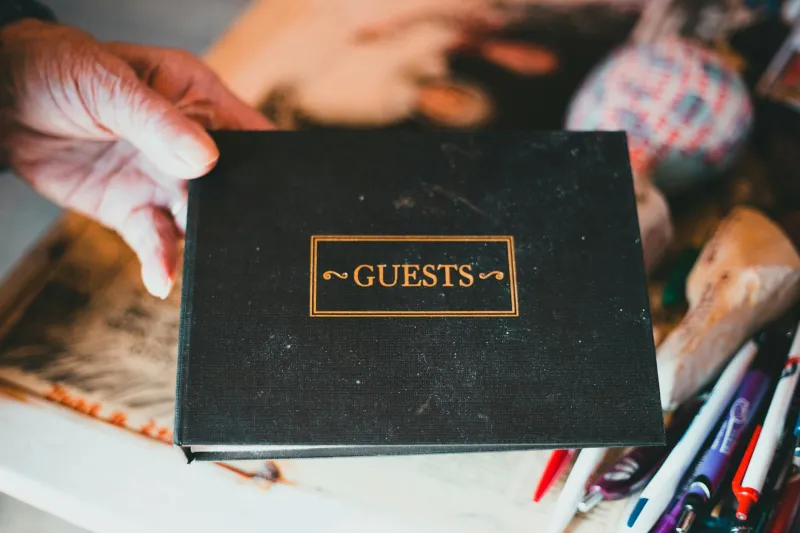
There's a particular heft to the guest book at The Rose & Crown that speaks of decades before anyone dreamed of leaving reviews online. The leather binding, worn smooth by countless hands, opens to reveal page after page of handwritten entries dating back to 1987. Fountain pen ink mingles with biro scrawl, careful copperplate shares space with hurried signatures, and somewhere in these pages lies a record of how Britain travels, loves, and remembers.
 Photo: The Rose & Crown, via cdn1.1800flowers.com
In our age of instant digital feedback, these handwritten chronicles represent something increasingly rare: considered reflection captured in permanent form. While online reviews disappear into algorithmic oblivion, these guest books endure, creating an unbroken conversation between past and present guests that transforms any inn stay into participation in living history.
Archives of Affection
At The King's Head in Upper Withland, landlady Elizabeth Moorcock has presided over seven guest books spanning thirty-two years. She knows their contents better than most people know their photo albums, and can navigate straight to entries that capture the essence of why these handwritten records matter so profoundly.
"Look at this one," she says, opening to a page from 1994. The entry, written in careful script, describes a young couple's honeymoon weekend. "They've been back every year since. Same room when possible, same table for dinner. But what's beautiful is watching their handwriting change – from nervous newlyweds to confident parents to grandparents bringing the next generation."
The evolution is visible across the pages: the same names appearing year after year, handwriting that shifts from youthful exuberance to mature reflection, entries that begin "our first visit" and later reference "our annual pilgrimage." These books don't just record visits; they document lives lived, relationships deepened, and traditions passed down.
The Democracy of the Written Word
What strikes you immediately about Withland's guest books is their democratic nature. A child's wobbly drawing of the inn's cat sits beside a retired professor's lengthy meditation on the quality of the local ale. A brief "lovely stay, thanks" shares space with a detailed poem about morning mist over the Withland hills.
Unlike online reviews, which tend towards extremes of praise or complaint, guest book entries capture the full spectrum of human experience. The quiet satisfaction of a restorative weekend, the bittersweet notes of farewell visits, the excited scribbles of first-time discoveries – all preserved without the performative pressure of public platforms.
At The Swan, a guest book entry from 1999 simply reads: "Came here to scatter Dad's ashes. Found peace instead." Below it, in different handwriting: "Reading the above entry helped me through my own loss. Thank you, stranger." This is conversation across time, comfort offered and received by people who will never meet but share a common space and common humanity.
 Photo: The Swan, via cdn11.bigcommerce.com
The Ritual of Reflection
The act of writing in a guest book demands something different from digital reviewing. There's no editing, no deleting, no crafting the perfect social media post. The permanence of ink on paper encourages honesty and reflection in ways that ephemeral digital platforms rarely achieve.
"When someone sits down with our guest book, they slow down," observes Marcus Webb, proprietor of The Lamb & Flag. "I watch them pause, think about their experience, choose their words carefully. It's a form of meditation, really – a way of processing what their stay has meant to them."
This deliberate pace creates entries of surprising depth and authenticity. Without the pressure to perform for online audiences, guests write for themselves and future travellers, creating a more honest record of the inn experience.
Patterns in Permanence
Analysing decades of guest book entries reveals fascinating patterns about changing British travel habits. The 1980s entries speak of weekend breaks as special occasions, carefully planned and deeply savoured. The 1990s show the rise of short breaks as regular stress relief. The 2000s reveal increasing international guests discovering Withland's charms.
More recently, entries reflect a hunger for authenticity and connection that digital travel booking can't satisfy. "Found this place by accident," reads a 2023 entry at The Golden Fleece. "No website, no online booking, just knocked on the door. Best decision we made all year."
The Curators of Memory
Innkeepers themselves become guardians of these written treasures, developing intimate relationships with both the books and their contents. They remember regular guests by their handwriting, can predict who will write lengthy entries versus brief acknowledgments, and often serve as living indexes to decades of recorded experiences.
"I've got guests who ask to read their previous entries," says Moorcock. "Couples trying to remember exactly when they first visited, families showing children their parents' early entries. These books become part of people's personal histories."
Some innkeepers have developed sophisticated archival systems, carefully preserving older volumes while ensuring current books remain accessible. At The White Hart, completed guest books are stored in a climate-controlled room, with digital photographs taken of particularly meaningful entries to prevent loss.
Beyond the Algorithm
In an era where online reviews can be gamed, manipulated, or simply lost in platform changes, guest books represent something incorruptible. They can't be deleted by disgruntled businesses, manipulated by competitors, or buried by algorithmic changes. They exist in physical space, requiring physical presence to contribute to or consult.
This permanence creates a different relationship between guest and establishment. Knowing that your words will be read by future travellers, perhaps years hence, encourages a sense of responsibility and community that anonymous online reviewing rarely inspires.
The Future of Handwritten History
As digital natives become the dominant travelling demographic, Withland's innkeepers are discovering that guest books appeal precisely because they're analogue. Young guests, accustomed to ephemeral digital communication, find the permanence and physicality of handwritten entries refreshingly meaningful.
"Our youngest guests often spend the longest time with the guest book," observes Webb. "They're fascinated by the idea that their words will still be here in twenty years, that they're contributing to something permanent."
These leather-bound volumes represent more than quaint tradition – they're repositories of authentic human experience, unfiltered by algorithms or influenced by commercial interests. In Withland's guest books, every stay becomes part of a larger story, every visitor contributes to an ongoing narrative that no review website could ever capture.
The next time you sign a guest book, remember: you're not just recording a visit, you're adding your voice to a conversation that spans decades, contributing to a record of human experience that will outlast any digital platform. In permanent ink, you become part of the inn's immortal story.