The Great British Burnout
We've all been there. That moment when you realise you've been mindlessly scrolling through Instagram whilst simultaneously watching Netflix, answering WhatsApp messages, and mentally composing tomorrow's work emails. It's exhausting, isn't it? The constant ping of notifications, the blue-light glare that follows us from dawn to dusk, the nagging feeling that somewhere, someone needs our immediate attention.
Recent studies suggest the average British worker spends over seven hours daily staring at screens, with many checking their phones every ten minutes. Little wonder that 'digital detox' has become the wellness buzzword du jour. But here's the thing about most digital detox retreats: they're trying too hard. Meditation pods, structured 'mindfulness' activities, and ironically, apps to help you use fewer apps.
Withland's traditional inns take a refreshingly different approach. They don't preach about the perils of technology or force you into digital cold turkey. Instead, they simply offer something so much more appealing that your phone becomes irrelevant.
Where Comfort Trumps Connectivity
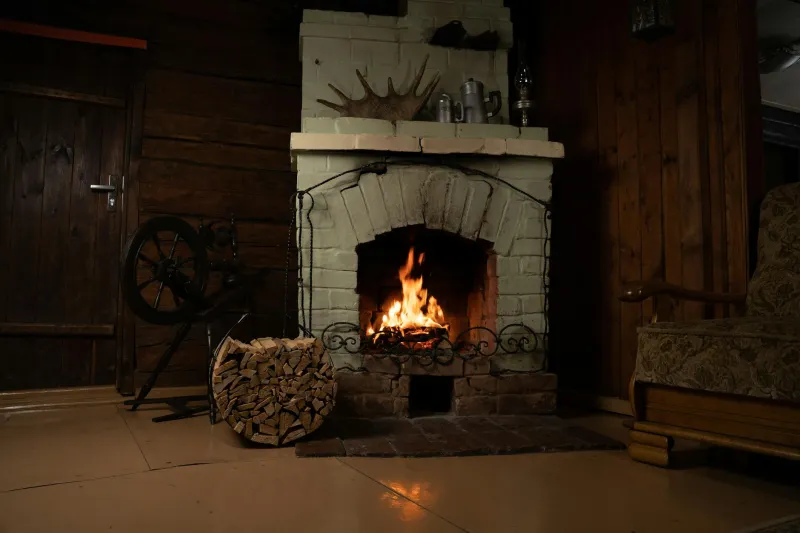
Step into The Griffin Inn on a grey February afternoon, and you'll understand immediately. The flagstone floors worn smooth by centuries of footfall, the enormous hearth crackling with seasoned oak, the gentle murmur of conversation from locals nursing their pints. This isn't a museum piece or a themed experience – it's the real thing, operating much as it has for the past three hundred years.
"I came here planning to catch up on emails," laughs Sarah Mitchell, a marketing director from Manchester who recently spent a long weekend at one of Withland's coaching inns. "But there's something about sitting by that fire with a proper cup of tea that makes your laptop feel rather silly. I ended up reading three books instead."
It's not that these establishments are luddite havens – most offer Wi-Fi for guests who genuinely need it. But the infrastructure feels almost incidental, tucked away like an afterthought. The focus remains firmly on the fundamentals: warmth, comfort, good food, and human connection.
The Gentle Art of Analog Entertainment
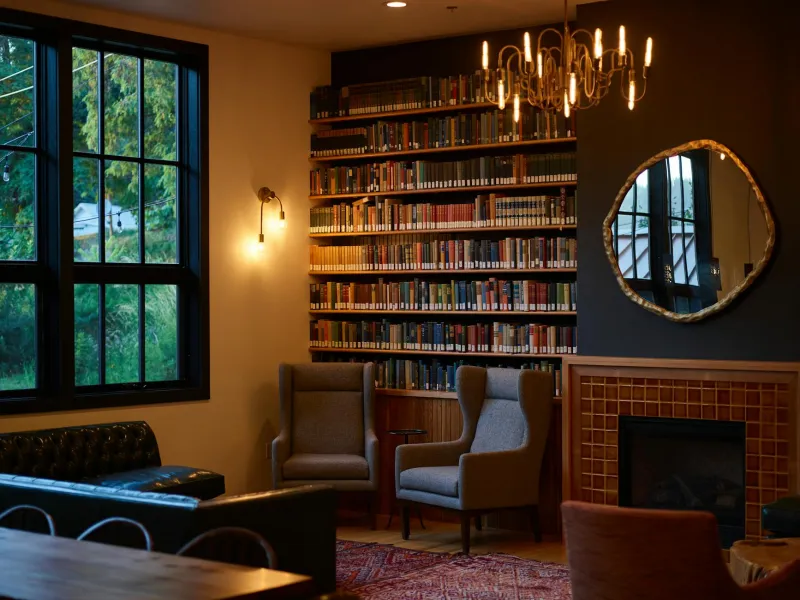
Walk through any of Withland's historic inns, and you'll notice the thoughtful details that encourage old-fashioned leisure. Bookshelves lined with well-thumbed paperbacks span genres from Agatha Christie to Bill Bryson. Chess sets and playing cards wait patiently on side tables. Window seats positioned to catch the afternoon light practically beg you to settle in with a crossword.
At The Crown & Anchor, landlord Tom Hartwell has cultivated what he calls "the art of slow entertainment." Every evening, guests gather around the bar's communal table for what starts as dinner and often evolves into hours of genuine conversation. "People arrive looking at their phones," he observes, "but within an hour, they're debating politics, sharing travel stories, or planning walking routes for tomorrow. It's remarkable how quickly we revert to being social creatures when given the chance."
The inn's guest lounge features a baby grand piano that sees regular use, not from professional entertainers, but from guests rediscovering half-forgotten skills. "Last month, we had a software engineer from Birmingham playing Chopin while a retired teacher from York turned pages," Tom recalls. "You don't get that kind of magic from a smart TV."
Rediscovering the Lost Art of Boredom
Perhaps most revolutionary of all is how these inns embrace what we've almost forgotten exists: genuine downtime. Without the constant stimulation of notifications and updates, guests report experiencing something increasingly rare in modern life – proper boredom. And it turns out, boredom might be exactly what we need.
"The first evening, I felt genuinely restless," admits James Parker, a London-based architect who spent a week at The Red Lion last autumn. "I kept reaching for my phone, then remembering I'd left it upstairs. But by the third day, I was having thoughts I hadn't had in years. Creative ideas, memories I'd forgotten, plans for projects I'd been putting off. It was like my brain was finally allowed to wander."
Neuroscientists increasingly recognise that boredom triggers what they call the 'default mode network' – the brain's screensaver that often produces our most innovative thinking. When we're constantly consuming content, we rarely access this mental state. Withland's inns, with their gentle rhythms and absence of digital distraction, create the perfect conditions for this kind of mental wandering.
The Ripple Effect of Reconnection
What's particularly striking about guests' experiences is how the benefits extend far beyond their stay. Many report sleeping better for weeks afterwards, feeling more present with family and friends, even approaching work with renewed creativity and focus.
"I started reading again," says Emma Thompson, a teacher from Leeds who makes an annual pilgrimage to Withland. "Proper books, not articles on my tablet. I've rediscovered cooking from scratch, taking long baths, having phone conversations instead of texting. It sounds small, but it's transformed how I spend my evenings."
Your Invitation to Unplug
In our hyperconnected world, choosing to disconnect – even temporarily – feels almost revolutionary. But perhaps that's exactly why it's so necessary. Withland's inns aren't selling digital detox as a product; they're simply offering what they've always provided: warmth, comfort, and the space to be human.
Your emails will wait. Your notifications will still be there tomorrow. But the chance to remember who you are when you're not constantly responding to external demands? That's a gift worth switching off for.
So next time you feel that familiar screen fatigue creeping in, consider a different kind of break. One where the only blue light comes from the evening sky, where conversation flows as freely as the local ale, and where the most important connection you'll make is with yourself.